Big Island Stories and Articles by Visitors and Residents
Big Island stories from visitors and residents: a Mauna Kea summit tour, swimming near Hawaiian spinner dolphins, and a cottage stay in Wood Valley, Pahala.

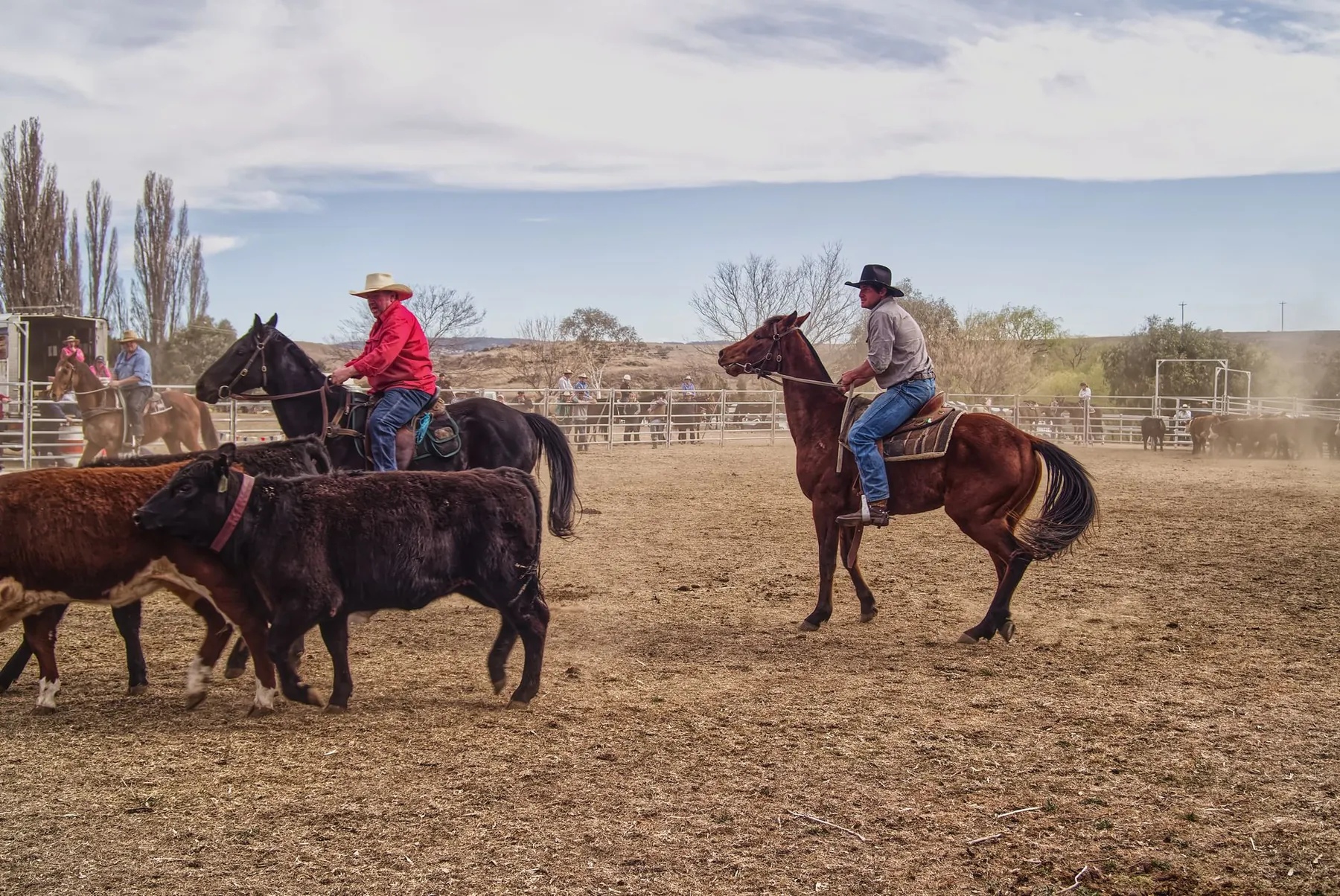
Marie Fellenstein Hale visits Anna Ranch Heritage Center in Waimea, where a converted barn, a blacksmith and a Hawaiian saddle maker gave students a hands-on look at the ranching and paniolo history of Waimea and Kohala.
By Marie Fellenstein Hale
Many people going through Waimea notice the bright white buildings of Anna Ranch, set off by the blue and white awnings and stately palm trees. And when the brilliant red poinsettias begin to bloom, the whole town knows that Christmas is coming.
In this serene setting, students could have a hands-on historical experience of their community with programs at Anna Ranch Heritage Center. The Education Center, then a new addition to the ranch, along with an on-site blacksmith and a saddle maker, gave students a glimpse of what it was like to live a rough and challenging ranch life.
“My goal is that every single child on this island can visit and learn about our ranching history,” said Kay Kammerzell, Executive Director of Anna Ranch Heritage Center.
Kammerzell told how Anna Ranch received Richard Smart Grant funds through Hawai’i Community Foundation, which helped the ranch complete new educational areas and add exhibits. The educational programs tell the broad, ranging history of Anna Ranch, which is also the history of Waimea and North Kohala’s ranching and paniolo roots. (Called paniolo, from Espanol, by the Hawaiians, Mexican vaqueros taught local Hawaiians how to ride horses and rope cattle.)
“The Richard Smart Grant allowed us to transform the barn area into a new Educational Center,” explained Kammerzell. “We used the money to build work benches and tables, purchase leather stamping and leather working tools, and for educational wall displays.”
Historic photos from the ranch archives were enlarged and framed, and large, clear captions were added. The names in the captions are like a Who’s Who of Waimea: Andrade, DeSilva, Lindsey, Bergin, among many others.
One of the first groups to explore the new facilities were students from Parker School on Make a Difference Day. One Parker School student saw a photo, said it was her uncle, and told Kammerzell about a project in which she had interviewed him about ranch life. The students were there that day both to learn about Anna Ranch and to help with some of the chores on site.
Anna Lindsey Perry-Fiske wanted to leave a legacy that would teach about the paniolo history of Waimea and Kohala. Anna Ranch Heritage Center, listed on the National Register of Historic Places, is both a restored home and a museum with active learning centers.
Anna’s home is remarkable in that it has been preserved exactly as it was used as a home. During a tour, students entering the dining room can see a portrait by Diana Neville of Anna dressed as a pa’u rider.
“Disdaining the ‘side-saddle’ position, Hawaiian women preferred long, full riding skirts (pa’u) which enabled them to straddle their horses,” according to Herb Kawainui Kane. “They would often spur their mounts to full gallop to make a dramatic arrival at a party.”
This description suits Anna, an award-winning pa’u rider, who is described in her biography as “a tough, shrewd, hardworking cowboy and, at the same time, a strikingly beautiful, elegantly groomed great lady.” The biography, written by Ruth M. Tabrah while Anna was still living, was out of print when this article appeared, though a few copies were kept at the Anna Ranch Gift Shop. It tells of Anna’s remarkable place in the ranching history of the Big Island.
“She is both indomitable and assuredly feminine, surpassing most men with her stamina, gutsiness, and courage,” according to her biography. “At an age when most women and men sit back in retirement, this incredible Anna is still a ranch owner, ranch boss, cattle buyer, business woman, and glamourous hostess.”
Visitors to the ranch learn about her expertise as a rider and rancher, and see rooms in the home that tell other stories, such as the study of her husband, Lyman Perry-Fiske, who also worked on the ranch. There are photos throughout of Anna riding horses, and even a photo of her riding a Brahma bull on a dare.
“Daily she rides miles, checking fences, counting herds, moving calves and sometimes riding through thick forest lands following the tracks of cattle that get lost when fences are broken,” according to a reporter in 1969. During that time she was also caring for her ailing husband and doing her own housework. She told the reporter, “If I haven’t found trouble I’m usually back by 3:30 in the afternoon. But sometimes not until after dark.”
Anna led a very active life, including being a rancher until she was in her eighties, a story told well by the staff on site. The house holds furniture made from native woods such as koa, art by local artists, and costumes from Anna’s riding competitions that would rival Elvis. In some rooms there are ranching items and saddles, and in others, china and glassware for her elegant entertaining.
The displays and her home make history come alive through both words and chances to do what the cowboys did. Students could watch blacksmith and saddle making demonstrations and do hands-on leather crafting. The ranch hoped eventually to offer a Hawaiian saddle making workshop.
“It seems nearly everyone finds ranching and the use of horses, dogs and cattle fascinating,” said Albert Moniz, a traditional Hawaiian saddle maker who was doing custom saddle work and repairs on site. “It is a wonderful way to capture children’s attention and motivate them to be interested in learning.”
The Mexican vaqueros brought their skills in creating riding gear, which the Hawaiian paniolo adapted in their own way. They would take a piece of bone and carve it to be used for leather tooling. Rather than the complicated and ornate Western-style saddles, those of the Hawaiian paniolo are simple and elegant. Hawaiian saddle making is a way to blend functional work with artistic expression.
Parker School students helped with one of the restoration projects. Some leather saddles were dry and brittle, so the students wiped the leather, then treated it by spraying it with oil to get into the fiber. As they learned about restoration and preservation of leather, they were saving a bit of history with their efforts.
As part of Make a Difference Day, students also helped with weeding in the garden and clearing brush.
Mar Tagudan, Jr. is a third generation gardener on the property. His grandfather worked for Anna, taking care of the grounds as well as helping with her personal care toward the end of her life.
Students worked alongside Tagudan, weeding among the many different plants in the gardens and the ever-present red salvia, which was Anna’s favorite and was planted throughout the property.
The other red accent shows up once a year in the poinsettias planted along the road in front of the ranch.
“It’s like a tourist attraction,” said Tagudan. “A lot of people stop on the road to take pictures. People donate their poinsettias after Christmas and we plant them on the property and take care of them.”
Along with her ranching work, Anna raised money for many charities. She demonstrated a life full of work, activity and giving to others.
“I find this a great venue to motivate and show students that if you work hard enough, you can succeed,” said Moniz.
When the article was written, Anna Ranch was looking for docents to lead tours, as well as volunteers to arrange work parties, which could serve as community service projects for organizations.
For more on the town around the ranch, read August in Waimea and our notes on living in Waimea and moving to the Kohala Coast. The word paniolo and other terms you will hear upcountry are explained in our Hawaiian language page.
Anna Lindsey Perry-Fiske was a Waimea ranch owner and an award-winning pa'u rider who worked as a rancher into her eighties. Her biography by Ruth M. Tabrah describes her as a tough, shrewd, hardworking cowboy and an elegantly groomed great lady. She also raised money for many charities.
At the time of the article, students toured Anna's preserved home, studied captioned historic photos from the ranch archives, watched blacksmith and saddle making demonstrations and tried hands-on leather crafting. Parker School students also helped restore brittle leather saddles and weeded the gardens on Make a Difference Day.
Paniolo is the Hawaiian word for cowboy. As the article explains, it comes from Espanol: Mexican vaqueros taught local Hawaiians how to ride horses and rope cattle, and brought their skills in making riding gear, which the Hawaiian paniolo adapted in their own way.
Big Island stories from visitors and residents: a Mauna Kea summit tour, swimming near Hawaiian spinner dolphins, and a cottage stay in Wood Valley, Pahala.
A longtime resident's view of moving to the Kohala Coast: planning the move, where people actually live, cost of living, and everyday life in upcountry Waimea.
The 12-letter Hawaiian alphabet, a glossary of Hawaiian words visitors hear on the Big Island, and the deeper meaning of the two key words: aloha and mahalo.