August in Waimea
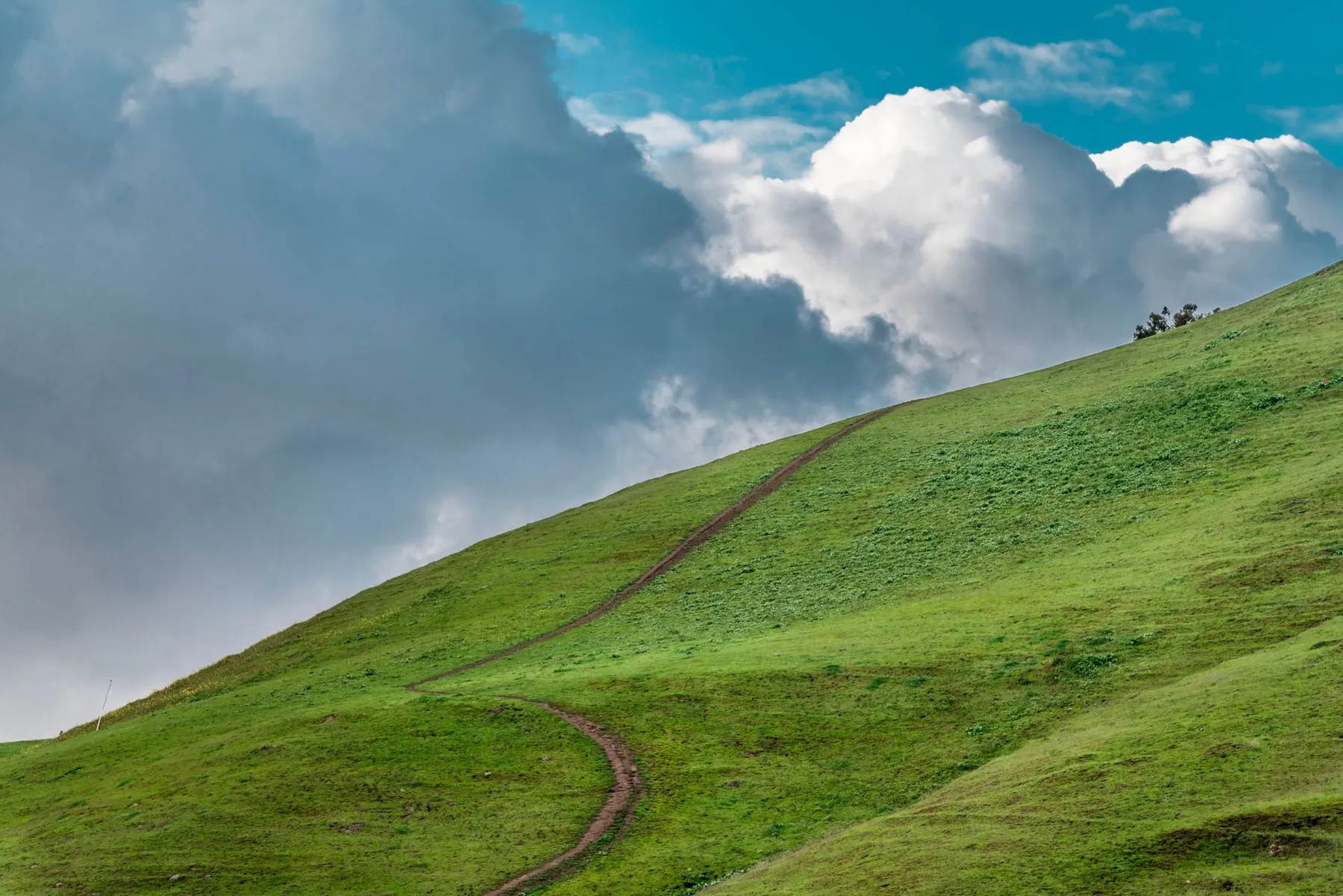
Bill Jardine's essay on a summer morning walk above Waimea: blowing mists at Puu Kapu, Kamehameha's warriors, cattle pastures and the gate into the rain forest.

Maoli No, Truly Native, is a DVD from The Nature Conservancy and The Mountain Apple Company that uses Hawaiian songs and chants to tell the story of the islands' native plants and animals, and asks listeners to care for the land.
You have fallen in love with Hawaii, the islands and their people? You are in good company. The Hawaiian Islands, with their many-layered, diverse and unique plant and animal life, have held people’s interest ever since they first visited. That same life is under pressure, and it is time to preserve as much of it as we can.
With modern civilization, native plants and animals in Hawaii have become endangered, and more and more rare species are going extinct. The nene, the native Hawaiian goose, appears in our own list of Hawaiian words with the word “endangered” attached to it.
The Nature Conservancy describes its mission as preserving “the plants, animals and natural communities that represent the diversity of life on earth by protecting the lands and waters they need to survive”. Part of that work is finding ways to make the rest of us aware of the changes taking place in our environment.
With this in mind, Maoli No, Truly Native, was created. The DVD takes viewers on a visual and musical journey through the islands’ forests, streams and reefs. It is a tribute to the native plants and animals of Hawai’i, and for anyone who wants to learn more about the land and the people of aloha it was a rare opportunity.
Maoli No is narrated by Robert Cazimero and features songs by such beloved artists as:
Musicians, composers, chanters, kumu hula, photographers, scientists and educators contributed their work. The DVD features Hawaiian songs and chants that celebrate Hawaii’s native species. You may recognize many of the familiar tunes. What Maoli No adds is the story behind the songs.
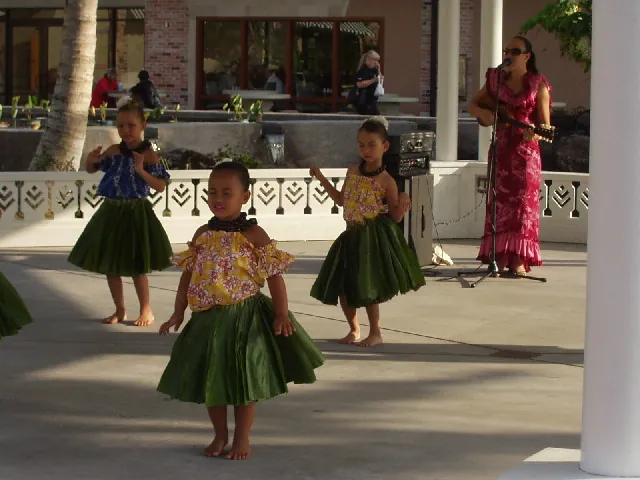
The DVD uses Hawaiian music as an educational tool to explore the intimate relationship between Hawaiian culture and the native Hawaiian environment. There is a reason music is the right tool for the job. Hawaiian was not a written language until missionaries developed an alphabet for it, and when islanders were later discouraged from speaking it in public, the language survived primarily through music. A mele, a song, was one of the places the language and its knowledge of the islands were kept.
The Nature Conservancy and The Mountain Apple Company released Maoli No in a joint effort to educate residents, visitors and keiki (children) alike.
According to its makers, the DVD was not produced for profit but shared for educational purposes. In their words: “We hope that through it you too will come to know and love our native Hawai’i in new and wonderful ways. All of us, young and old, can learn, be inspired and answer the calls to each of us to malama ’aina, that which sustains us.”
At the time this page was written, free copies could be picked up, subject to availability, at The Nature Conservancy offices on each island: in Honolulu, at the program offices on Oahu, Maui, Molokai and Kauai, and on Hawaii Island at the program office in Parker Ranch Center in Kamuela. On Kauai, copies were also kept at the circulation desk of the Lihue Public Library.
The hope of the creators, contributors and publishers of the DVD is that all who listen to it will answer the call to malama ’aina, to care for the land. Aina, in our word list, is “land, earth”. The phrase asks something simple of residents and visitors both, and you will see what it protects on almost every page of this guide: the reefs and animals described under Hawaii ocean life, the forests and valleys on the hiking page, and the summit and lava lands of Hawaii Volcanoes National Park.
Bill Jardine's essay on a summer morning walk above Waimea: blowing mists at Puu Kapu, Kamehameha's warriors, cattle pastures and the gate into the rain forest.
Desirée Watson of Kamuela Life Retreats on the hard questions that led her and her husband Mark to move to the Big Island and lead retreats on the Kohala Coast.
Two artists the guide featured: Kathy Long, whose drawings of hula and island life became Merrie Monarch posters, and photographer Victoria McCormick.