Big Island Attractions and Things to Do
What to see and do on Hawaii's Big Island: volcano, Mauna Kea summit, historic parks, valleys, diving, fishing and the operators our guide listed in 2013.

Kilauea is the reason many people come to this island at all. From the Kohala Coast the park is a long day's drive by way of Hilo, and it rewards anyone who starts early and packs for cold rain as well as sun.
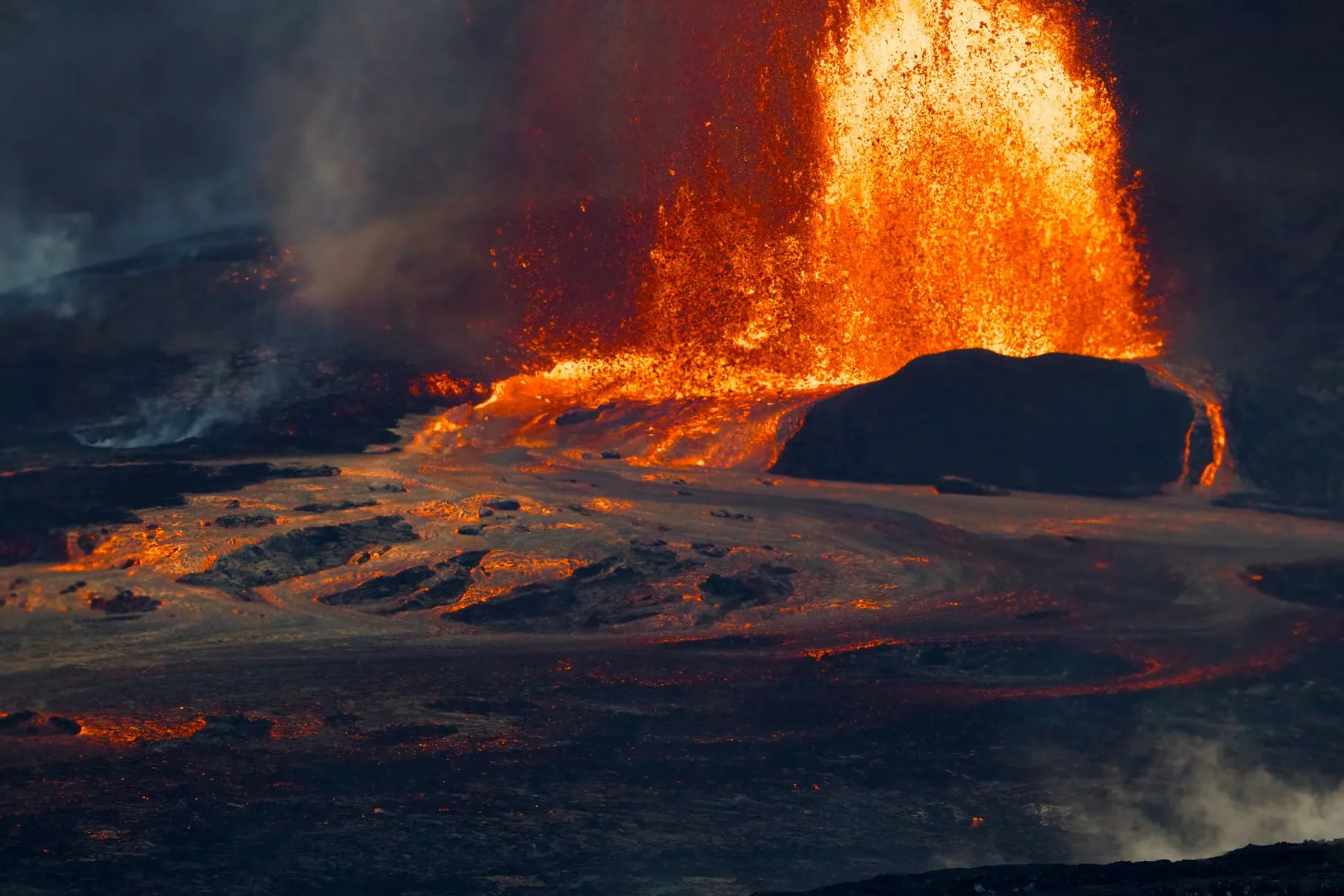
Hawaii Volcanoes National Park has always been the most distinctive destination on a Big Island vacation, and it still is the one trip we tell every Kohala Coast visitor to make. It is not close. Plan it as a full day at least.
Take Highway 19 through Waimea and down the Hamakua Coast to Hilo, then continue to Volcano. The guide counted about two hours of driving from the Kohala Coast, before stops. The park is 30 miles southwest of Hilo and 96 miles southeast of Kona. There is only one entrance, off Route 11.
Get an early start from your vacation home or condo. And before you go, check the lava flow update and the weather: the park itself gave out both, and a webcam at the Pu’u ’O’o vent showed live pictures of Kilauea.
If you leave enough time, the drive is half the trip:
With that many stops between the Kohala Coast and the crater, a lot of our readers chose to stay a night or two near the park. Volcano Village and the area around it had cottages, vacation homes and bed and breakfasts for exactly that purpose.
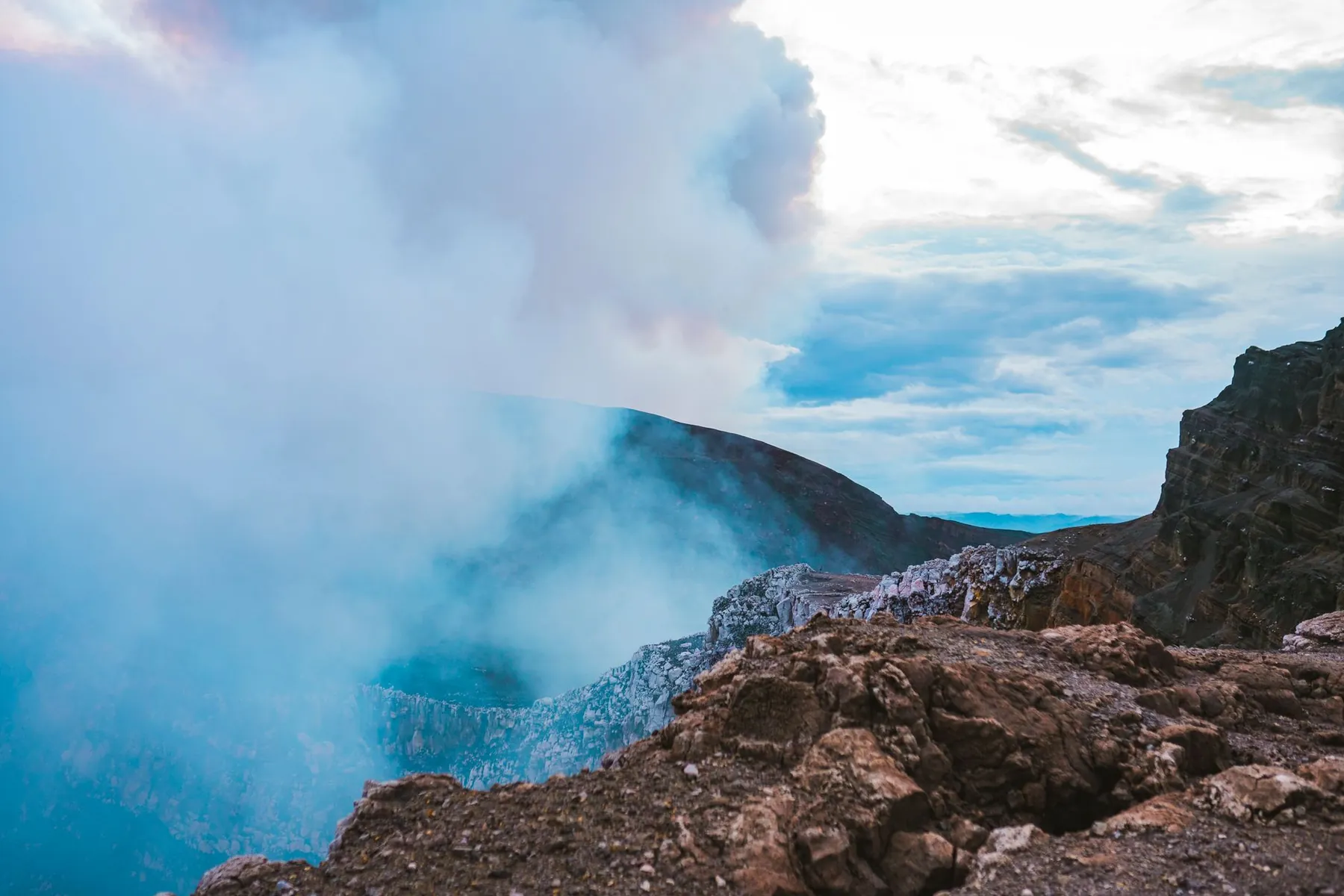
Hawaii Volcanoes National Park was established in 1916 as the country’s 13th national park. It was created to preserve the region’s volcanic features, its early human history, and the plant and animal life that belongs to this particular corner of the world. The National Park Service is responsible for protecting both the resource and its visitors.
According to Hawaiian legend this is the home of Pele, the goddess of fire. Her first home was Ni’ihau, one of the smaller Hawaiian islands, but the goddess of the sea chased her from island to island, destroying each dwelling Pele had made. Pele finally found a haven in Halema’uma’u, in Kilauea Caldera, and that is where she lives.
The park is open 24 hours a day, all year, holidays included. Entrance permits were good for seven consecutive days, and annual passes for this park or for all national parks covered entry too.
Kilauea Visitor Center is a quarter mile from the park entrance. In the guide’s day it was open daily from 7:45 in the morning to 5 in the afternoon, showed a 25-minute park film every hour, and had displays on how volcanoes form, on geologic processes, on native plants and animals, and on the early Hawaiians. Maps, posters and books were sold there, and it had parking and restrooms. Backcountry permits, required for all overnight backcountry camping, were issued there as well. The Thomas A. Jaggar Museum was the other place to stop for information.
When eruptions occur, temporary road signs direct you to safe viewing points. On entering the park, visitors could tune the car radio to AM 530 for park information.
Ranger programs. Ranger-led walks and hikes ran daily and added a good deal to what you learned about the park’s resources and Hawaiian culture. Some walks were wheelchair accessible; others were longer hikes. The day’s schedule went up at the Kilauea Visitor Center each morning at 9.
Volcano Art Center. A nonprofit educational organization created in 1974 to promote, develop and perpetuate the artistic and cultural heritage of Hawaii’s people and environment through the visual, literary and performing arts. It presented ongoing programs in the park under a cooperating agreement with the National Park Service. Hula performances at its platform appear on our Big Island events page.
Lava tubes. Exploring the ancient lava tubes was listed as one of the more unusual experiences in the area.
The sun can be intense, so a hat, sunglasses and sunscreen are a good idea. But the weather can change within minutes. The park sits around 4,000 feet, and you should be ready for cold, rain and wind. Temperature and rainfall vary a great deal with elevation and location: it can be very warm at sea level while the summit of Mauna Loa is freezing. Evenings are chilly. Have warm clothes in the car.
Wear comfortable walking shoes, not sandals or flip-flops. Bring drinking water and food, because neither is readily available in some parts of the park. Volcano House and Volcano Village were the places to get them.
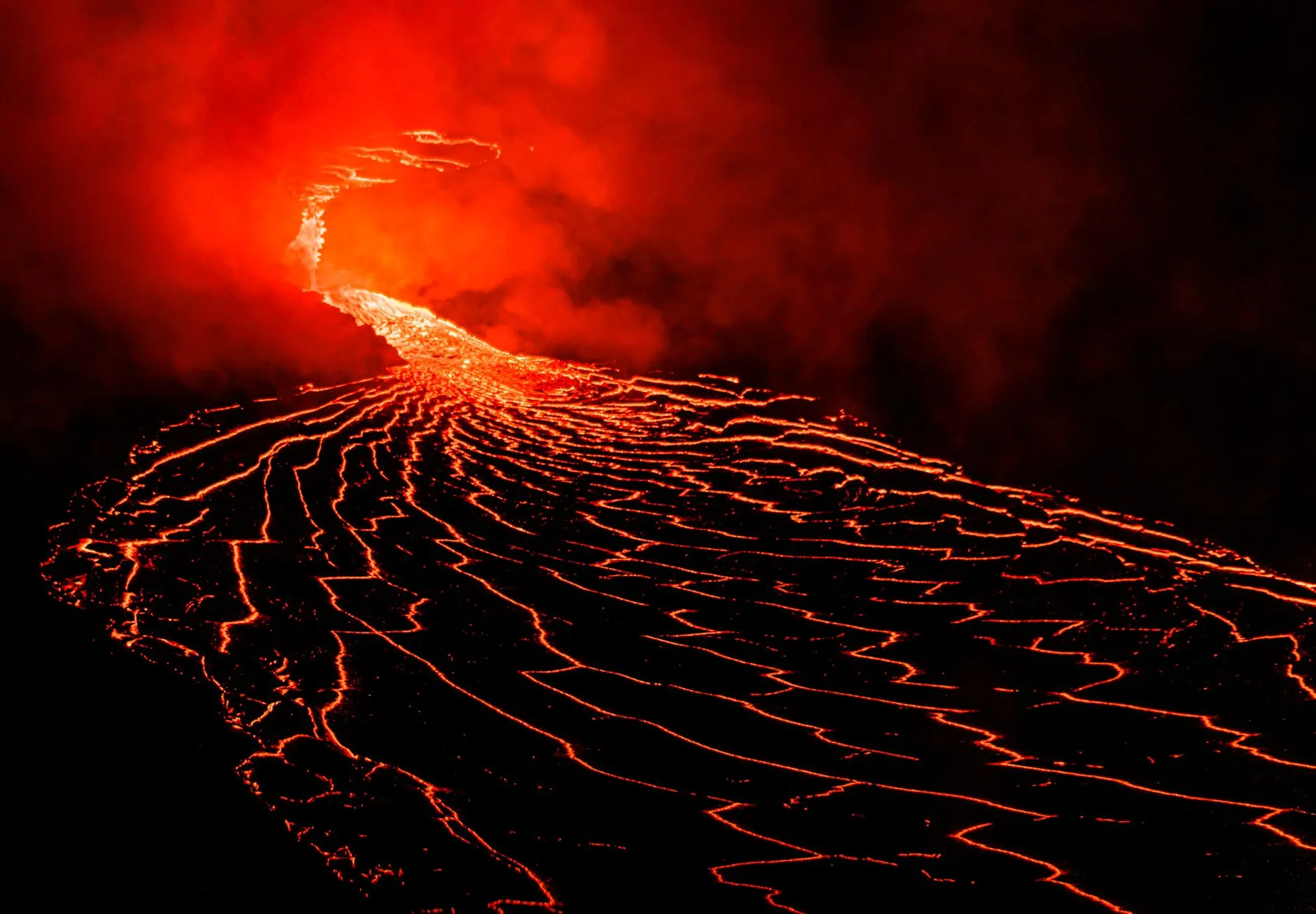
If the lava is flowing and you want to see it up close, add flashlights and good hiking shoes to the list.
There are no service stations in the park. Gas and limited automotive service were available at two stores in Volcano Village, one mile northeast of the park on the way to Hilo. Fill up before the drive back to the west side.
The Hawaiian Islands are the tops of gigantic mountains rising from the ocean floor. Hawaii, the newest of them, is young in geological terms. Five volcanoes formed the Big Island, and only three are considered active: Mauna Loa, Kilauea and Hualalai. Mauna Loa and Kilauea are two of the most active volcanoes in the world. Because Hawaiian eruptions are gentler than those of most volcanoes elsewhere, the edges of active vents are frequently accessible.
Mauna Loa rises 13,677 feet above sea level. Measured from sea level, only Mauna Kea, at 13,796 feet, is taller. Mauna Loa erupted 37 times between 1832 and the time our guide was compiled. The most recent of those eruptions came in 1984, and for a time it seemed to threaten the city of Hilo.
Kilauea, about 4,000 feet high, is Mauna Loa’s smaller neighbor and one of the world’s most active volcanoes. For more than 100 years it was almost continuously active. The eruption that visitors came to see in the guide’s years began on January 3, 1983, and was described as the largest and longest flank eruption in recorded history. When this page was last updated, in 2014, it was still going, with no sign of when it might end.
The windward side of Kilauea receives more than 100 inches of rain a year and carries a distinctive rain forest.
Hawaii’s tropical climate and its isolation produced a great diversity of native species. Some plants and animals are endemic, found only in Hawaii. Sadly, many native species are extinct, destroyed by introduced plants and animals and by people. The Park Service works to secure the future of the endangered species that remain in the park, among them the nene goose, the state bird of Hawaii.
Big Island helicopter companies flew volcano tours, most of them 45 to 55 minutes long. The ones the guide listed:
For visitors short on time this was the alternative to the long drive, and the view of the park from a helicopter is like nothing on the ground.
Our seven-day Kohala Coast vacation plan gives the volcano its own day and explains when to stay overnight. Other long day trips are collected on Big Island attractions.
Taking Highway 19 through Hilo, the guide put the drive at about two hours from the Kohala Coast, and longer with stops. The park lies 30 miles southwest of Hilo and 96 miles southeast of Kona, with a single entrance off Route 11. An early start and a full day were recommended.
A hat, sunglasses and sunscreen for the strong sun, plus warm clothes and rain gear, because at 4,000 feet the weather can turn cold, wet and windy within minutes. Wear comfortable walking shoes instead of sandals, and carry drinking water and food, which are not available in some areas of the park.
Five volcanoes formed the Big Island, and three are considered active: Mauna Loa, Kilauea and Hualalai. Mauna Loa and Kilauea are two of the world's most active volcanoes. Because Hawaiian eruptions are gentler than most, the edges of active vents are frequently accessible to visitors.
What to see and do on Hawaii's Big Island: volcano, Mauna Kea summit, historic parks, valleys, diving, fishing and the operators our guide listed in 2013.
Visiting Mauna Kea from the Kohala Coast: the Visitor Information Station, stargazing, summit tours, the road above, altitude risks, weather and what to pack.
The Ironman World Championship in Kailua-Kona: the course, how it began in 1978, podiums from 2010 to 2012, the 2006 earthquake race and tips for spectators.