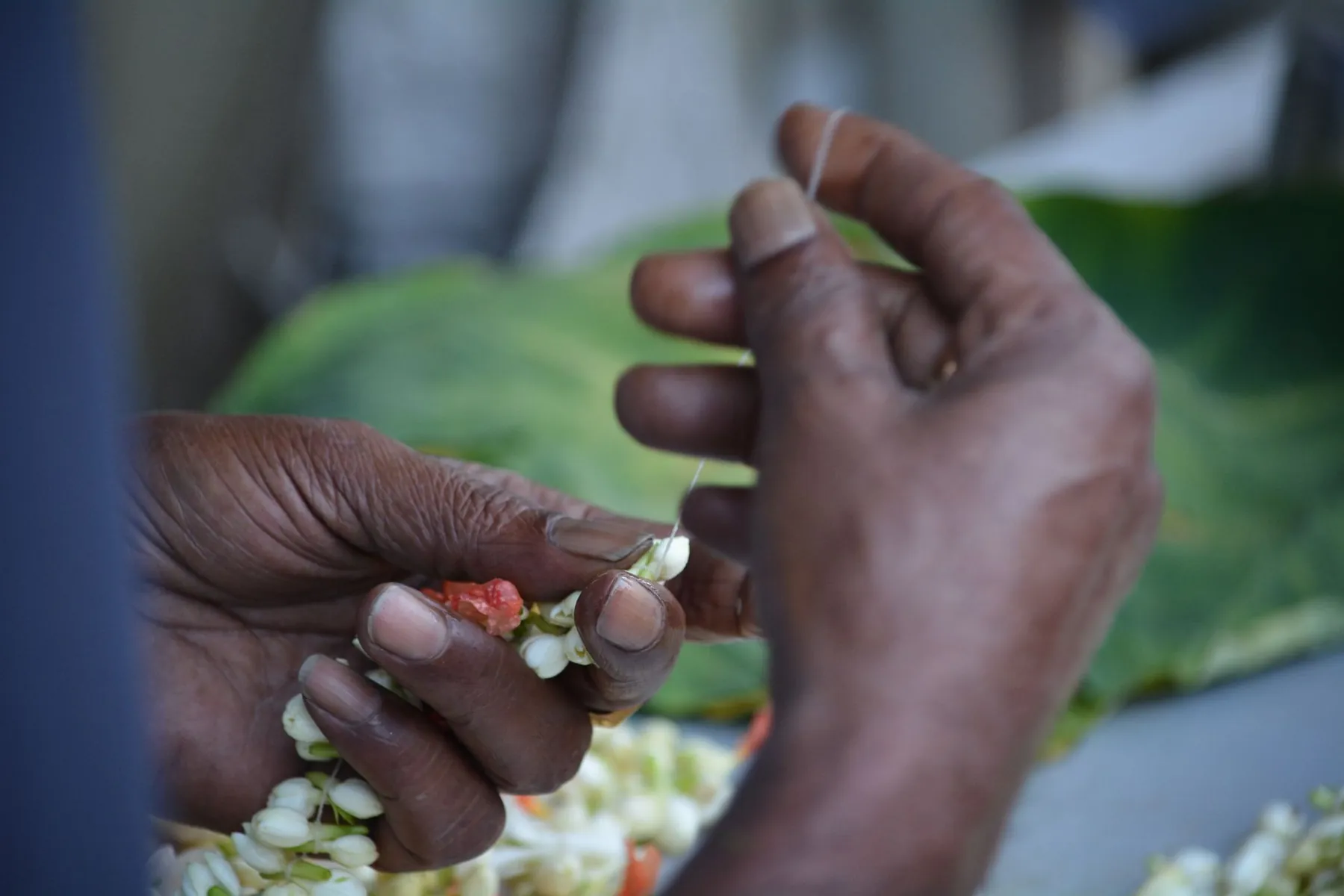
Hawaiian Flower Leis and Gifts from the Aloha State
The tradition of Hawaiian flower leis, one parent's lesson about graduation leis, and the gifts visitors took home from Hawaii: Kona coffee, aloha shirts, art.

Hawaiian has 12 letters, 18 sounds and a history of surviving through song. Here are the words you are most likely to meet on the Big Island, and what kupuna say about the meaning of aloha and mahalo.
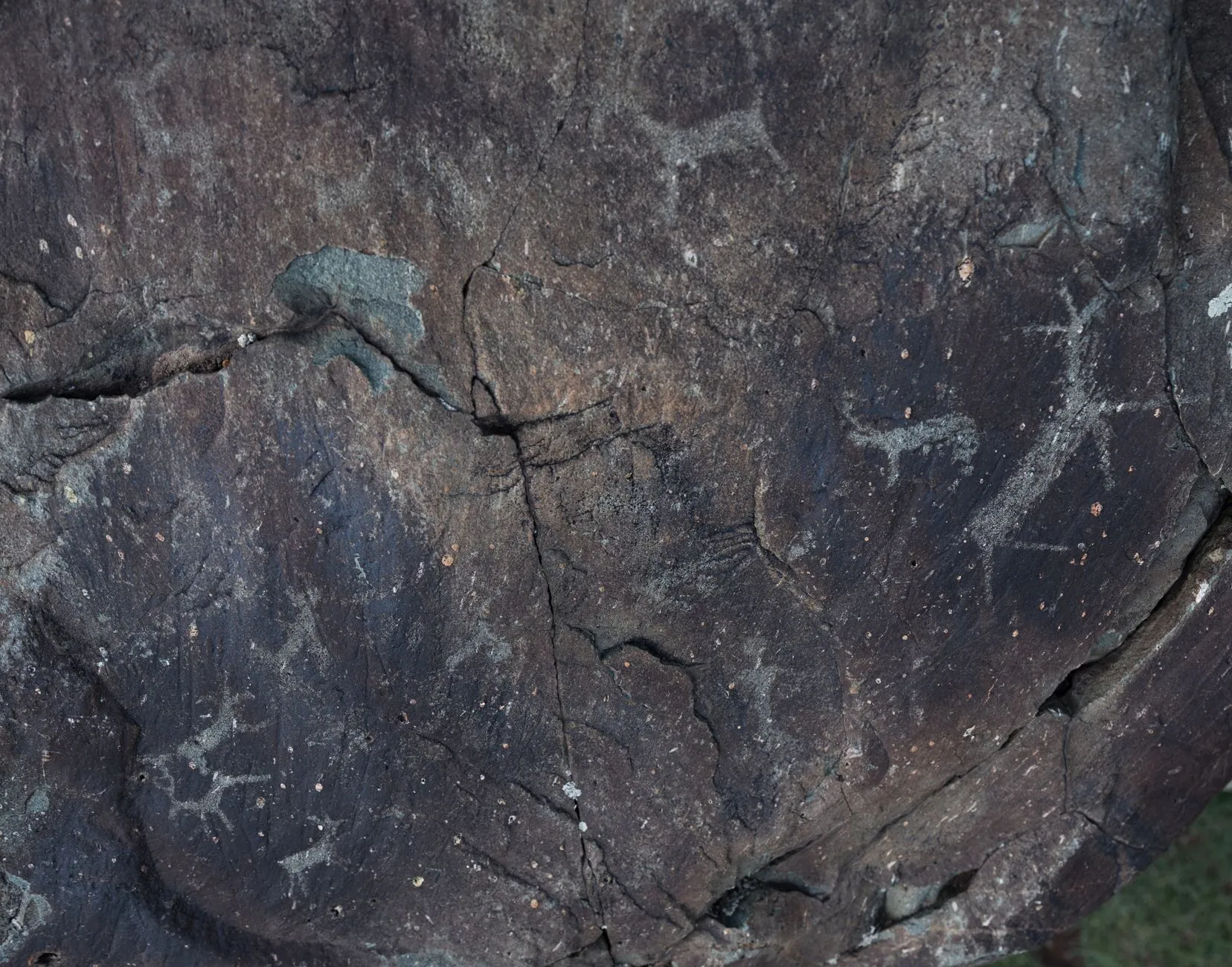
Hawaiian was not written down until missionaries developed a 12-letter alphabet. Later, islanders were discouraged from speaking Hawaiian in public, so the language survived primarily through music. It has since come to be more appreciated, and it is taught in schools. A Hawaiian dictionary is the place to go for more than this page can hold.
There are only 12 letters in the Hawaiian alphabet: A, E, H, I, K, L, M, N, O, P, U and W.
They make 18 sounds: a, e, i, o, u, the five long vowels ä, ë, ï, ö, ü, then h, k, l, m, n, p, w, and w with a v sound.
During a trip to Hawaii you are likely to meet some of the following words on signs, on menus and in conversation.
A few of these earn their keep on the first day. Directions on the Big Island are given mauka (towards the mountains) and makai (towards the ocean). Lava comes in two kinds, sharp a’a and smooth pahoehoe. On the beach you may meet a honu; offshore, nai’a. Mahimahi is a fish you will see on dinner menus, and ono means delicious. Up in Waimea the word is paniolo, and the story behind it is told in our article on Anna Ranch. The lei has a page of its own: Hawaiian flower leis.
Pronounced: ah loh’ hah and mah hah’ loh
If you learn just two words in Hawaiian, learn these. They are two of the most important words in the Hawaiian language, representing paramount Hawaiian values.
In Hawaiian thinking, words have mana (pronounced mah’ nah, meaning spiritual or divine power), and aloha and mahalo are among the most sacred and powerful. Say them often, as they can be life-transforming and life-enhancing. But be careful to use them only if you truly feel mahalo or aloha within. Do not exploit these words for personal gain, and neither cheapen nor trivialize them by saying them carelessly or without sincerity.
Aloha and mahalo are ineffable, indescribable and undefinable with words alone. To be understood, they must be experienced. Their deeper meaning and sacredness are hinted at by their root words. Linguists differ in their opinions as to the exact meanings and origins, but this is what kupuna (elders) say about the two words.
On a spiritual level, aloha is an invocation of the Divine and mahalo is a Divine blessing. Both are acknowledgments of the Divinity that dwells within and without.
[alo = presence, front, face] + [ha = breath]
“The presence of (Divine) Breath.”
[ma = in] + [ha = breath] + [alo = presence, front, face]
“(May you be) in (Divine) Breath.”
Think of them as single-word blessings or prayers.
Because Hawaiian survived through music, the best way to hear it is still in song, chant and hula. Our Hawaii heritage page describes a collection of Hawaiian songs and chants about the islands’ native plants and animals, and the Big Island hula festival page covers the dance. For the artists who draw and photograph that world, see Hawaii art.
There are only 12 letters in the Hawaiian alphabet: A, E, H, I, K, L, M, N, O, P, U and W. Together they make 18 sounds, counting the long vowels and the W that is pronounced with a v sound.
Mauka means towards the mountains and makai means towards the ocean. On the Big Island, people use the two words to give directions, so a house or a turn can be on the mauka side or the makai side of the road.
According to kupuna, aloha joins alo (presence, front, face) and ha (breath) and means the presence of Divine Breath. Mahalo joins ma (in), ha and alo: may you be in Divine Breath. Both are to be said only with sincerity.
The tradition of Hawaiian flower leis, one parent's lesson about graduation leis, and the gifts visitors took home from Hawaii: Kona coffee, aloha shirts, art.
Keoki's day of healthy habits on the Kohala Coast: an early beach walk or ocean swim, island fruit, a midday rest, resort spa and yoga classes, and a herb bath.
A resident's introduction for first-time visitors: why the dry, sunny Kohala Coast suits a first Big Island vacation, where people stay and what there is to do.