Which car class for Punta Cana, if you learned to choose on the Big Island
Compact for the Queen K, 4WD for Mauna Kea: how the Big Island way of choosing a rental class translates to Bavaro, Macao and Uvero Alto, class by class.

One coast hides from the trade winds and the other faces straight into them. That single fact explains most of the differences between a beach week in Kohala and a beach week in Punta Cana.
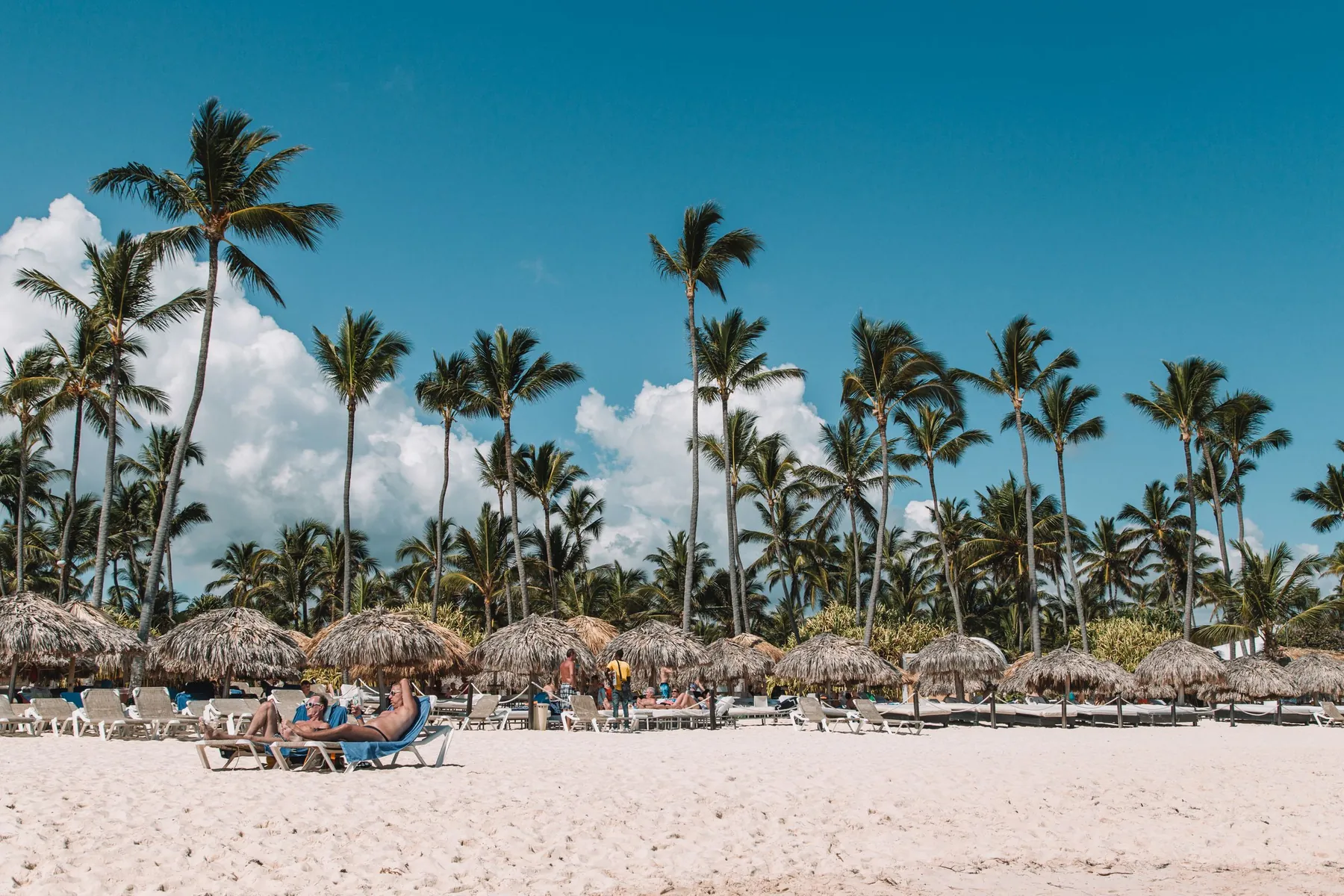
Stand on the sand at Hapuna late in the afternoon and the sun goes down into the sea in front of you. Stand on the sand at Bavaro and it comes up out of the sea at breakfast, and sets behind the palms at your back. Kohala faces west. Punta Cana faces east. I start with the compass because nearly everything else about these two coasts follows from which way they look.
The trade winds blow from the northeast across both islands. On the Big Island they hit the Hamakua coast and the mountains first, drop their rain there, and arrive on the Kohala coast dry. That is why the resort coast gets around ten inches of rain a year or less, why our archived Kohala Coast weather page reads like a record of uninterrupted sunshine, and why the land behind the beaches is bare lava and dry grass.
Punta Cana sits at the eastern tip of the Dominican Republic, where the Atlantic meets the Caribbean, and takes the same wind full in the face. The result is a greener, breezier coast: coconut palms right down to the sand, a steady onshore wind that keeps the heat tolerable, and more chop on the open stretches.
So before any talk of resorts, the choice is between a dry, still, sunset coast and a green, windy, sunrise one.
The second difference is shape.
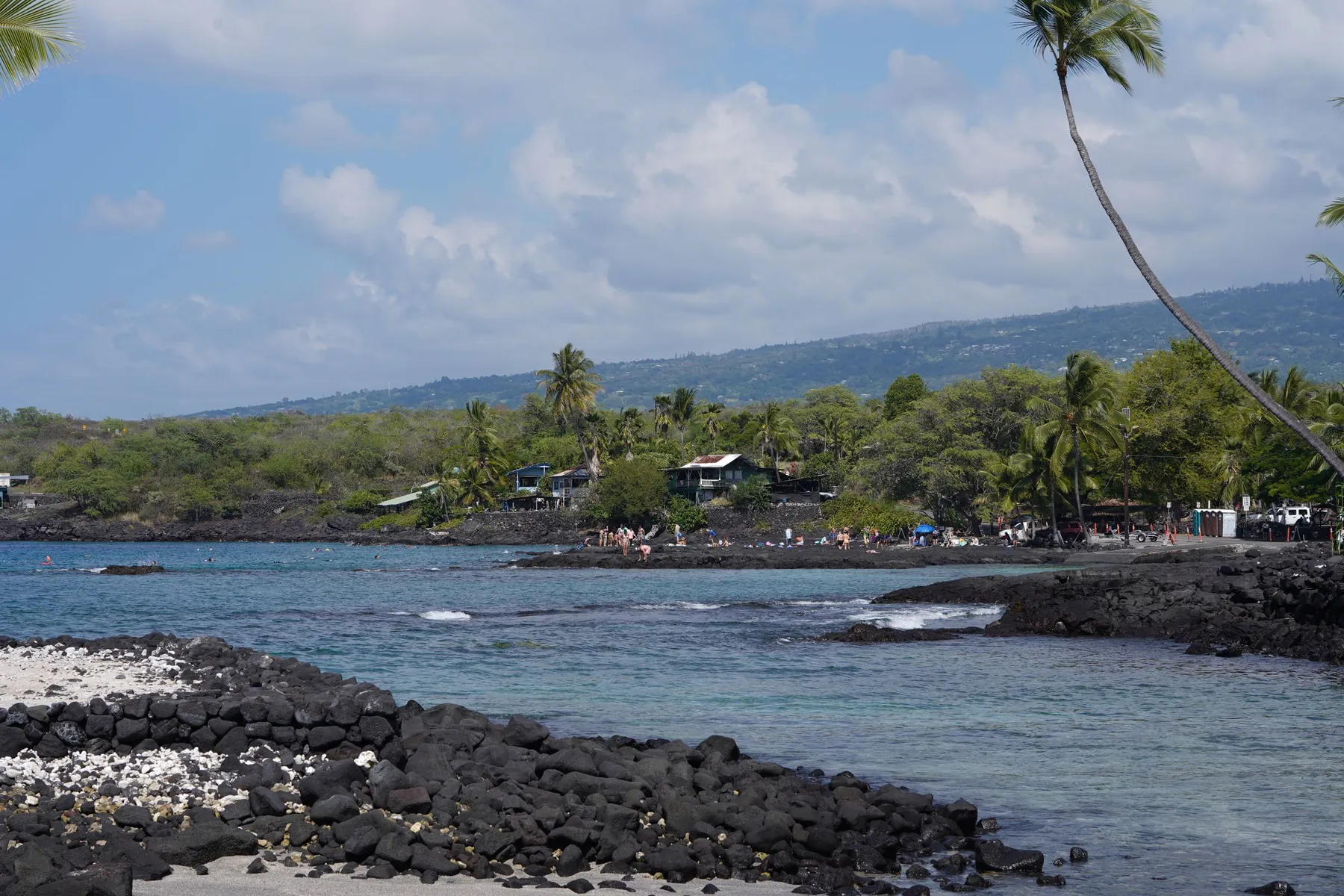
Kohala does not have a beach. It has a dozen. Each one is a pocket of sand in a break between lava flows, with rock on both sides, and you cannot walk from one to the next along the shore without good shoes and a taste for rough trails. Our Kohala Coast page has always been frank about the first impression this makes on the drive up from the airport: miles of dark rock and a visitor wondering where the tropics went. The beaches are there. They are just hidden below the highway, each at the end of its own side road.
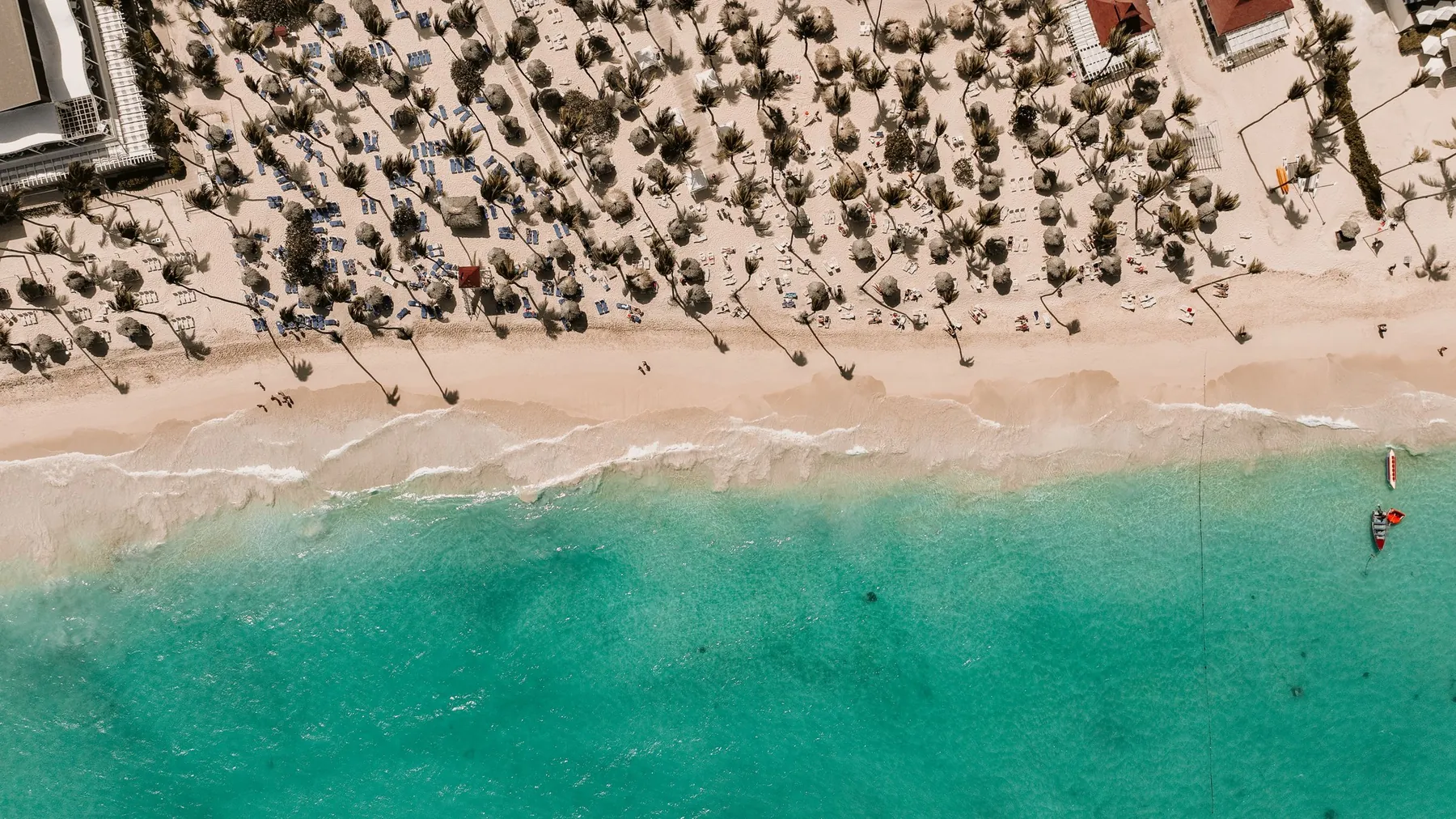
Punta Cana is the opposite. Along the Bavaro shore the sand runs on almost without a break, hotel after hotel, and you can walk for an hour and still be passing sun loungers. The beach in front of your room is part of the same beach as everyone else’s.
That changes how a week feels. In Kohala you choose a beach each morning the way you might choose a restaurant. In Punta Cana you choose once, when you book.
Four of them cover most needs, and our beaches page goes through the rest.
Here the variety lies at the edges, not in the middle.
None of those is far, but none is walkable from a Bavaro hotel either. Getting to them takes a taxi, an excursion bus or your own wheels, and people who like deciding their own hours usually end up renting a car in Punta Cana for at least the middle days of the week.
| Kohala coast | Punta Cana | |
|---|---|---|
| Driest months | Dry all year | December to April |
| Wetter months | Brief winter showers | May to November |
| Hurricane season | June to November in the central Pacific; direct hits are rare | June 1 to November 30 in the Atlantic, with the peak from August to October |
| Winter surf | Larger swells, Hapuna can be rough | Wind chop on open Atlantic stretches |
| Whales | Humpbacks about December to April, most in January to March | Not a feature of this coast |
| Seaweed | Not an issue | Sargassum in some months, mostly the warmer ones |
| Busiest time | Christmas to Easter | Christmas to Easter |
Two rows deserve a comment.
Whales first. From roughly December to April humpbacks winter in Hawaiian waters, and the Kohala coast is one of the better places to see them from land. You do not need a boat. A pullout on the highway north of Kawaihae and twenty quiet minutes are often enough.
Then sargassum. This floating seaweed drifts across the tropical Atlantic and lands on east-facing Caribbean shores in mats that vary from a thin line to a thick brown band. It is seasonal, uneven and hard to predict far ahead. Resorts clear it from their own frontage, yet on a bad week the simplest answer is to drive to a beach that faces a different way.
Hawaii’s rule is simple and old. The public has a right of access to and along all beaches below the upper reach of the waves. That includes the sand in front of the grandest hotel on the coast. Resort beaches have public access paths and some public parking, and the practical limit is the number of spaces. Arrive before mid-morning and you will get one. Arrive at noon on a Saturday and you may not.
The Dominican Republic has a similar rule on paper. The constitution places beaches and coasts in the public domain, and a law from 1968 sets a public strip 60 metres wide measured from the high tide line. The land behind that strip can be fully private, and along the hotel coast it usually is, so the question becomes how to reach the sand without crossing a resort. The answer is the public beaches with their own road access, of which Macao is the best known near Punta Cana.
On both coasts, then, the law is on the visitor’s side and the car park is not.
This is where the two weeks meet. On either coast, the best day is rarely spent on the nearest sand.
In Kohala that takes no decision. Almost every visitor has a car from the airport, and the island more or less orders you to use it. The work is choosing where to go.
In Punta Cana it does take a decision, because the all-inclusive hotel is built so that you never have to leave. Plenty of guests are happy with that. If you are not, do some reading before you go. The most practical material I have found comes from people who work on those roads every day: a set of local guides to Dominican beaches and roads that covers how to pick a clean beach in seaweed season, how the toll booths work, what to expect at Macao and whether Bayahibe is worth the drive. An evening with pages like those will tell you which kind of guest you are, the stay-put kind or the day-trip kind.
| Day | Kohala coast | Punta Cana |
|---|---|---|
| 1 | Arrive, nearest beach, sunset | Arrive, hotel beach, early night |
| 2 | Hapuna in the morning before the wind | Hotel beach, sunrise walk |
| 3 | Spencer Beach Park and the heiau next door | Macao for the surf |
| 4 | Easy day at A-Bay | Hotel day |
| 5 | Kauna’oa early, then north to Hawi | Bayahibe, with or without the Saona boat |
| 6 | Whichever beach you liked best | Cap Cana or a second Macao morning |
| 7 | Last swim, airport | Last swim, airport |
Treat the table as a rhythm, not a schedule. The Kohala column follows the same logic as the site’s old seven-day plan: something new on alternate days and nothing ambitious on the first or the last. The Punta Cana column applies that logic to a coast where the default is to stay put.
They answer different wishes. Kohala is for people who want quiet, dry heat, clear water over rock, a volcano behind them and a different cove every day. Punta Cana is for people who want an endless walkable shore, a breeze, palms overhead and a week in which the hardest decision can be lunch, with a different country waiting outside the gate for the days they want more.
I would not rank them. I would only say that on both coasts the people who come home with the best stories are usually the ones who, at least twice in the week, put a towel in the car and went looking.
Kohala's beaches are separate pockets of white sand between old lava flows on the dry, leeward west side of the Big Island. Punta Cana is one long shore of sand and coconut palms on the eastern tip of the Dominican Republic, open to the trade winds. Kohala faces the sunset, Punta Cana faces the sunrise.
The Kohala coast is dry and sunny in every month, with humpback whales offshore from about December to April and bigger surf in winter. Punta Cana's dry season runs from December to April. May to November is wetter, and the Atlantic hurricane season lasts from June 1 to November 30.
Yes, in law. Hawaii gives the public a right of access along all beaches below the upper wash of the waves, including in front of hotels. The Dominican constitution places beaches in the public domain. In practice the limit in both places is how you reach the sand: parking in Kohala, and resort land behind the beach around Punta Cana.
Hapuna is a state recreation area. Visitors who are not Hawaii residents pay a per-person entry fee and a parking fee, while residents with a state ID enter free. Check the state parks website for the current amounts before you go.
Floating sargassum reaches east-facing Caribbean beaches in some months, most often in the warmer part of the year, and the amount changes from week to week and from bay to bay. A car helps, because the Caribbean side around Bayahibe is often clearer when the Atlantic side is not.
On the Kohala coast, yes: the beaches are miles apart and there is no practical way to move between them otherwise. Around Punta Cana you can spend a week on the hotel beach without one, but a car for a few days opens Macao, Cap Cana and Bayahibe.
Compact for the Queen K, 4WD for Mauna Kea: how the Big Island way of choosing a rental class translates to Bavaro, Macao and Uvero Alto, class by class.
Both drive on the right and both reward a rental car. Roads, tolls, signs, night driving and car pick-up on the Big Island and around Punta Cana, side by side.
Waivers, deposits, forbidden roads and the walk-around: what a Kona rental teaches, and how the same questions change when you rent in the Dominican Republic.