Mauna Kea Summit and Observatories: Stargazing and Sunsets
Visiting Mauna Kea from the Kohala Coast: the Visitor Information Station, stargazing, summit tours, the road above, altitude risks, weather and what to pack.

The youngest and largest of the Hawaiian Islands has more to see than most visitors can fit into one trip. This is our working list of places to go and things to do, as the guide kept it in 2013.
Start with a car. No matter which attractions you have in mind, you will need to rent one, because the Big Island really is big. Rental companies offered Jeep Wranglers, convertibles, SUVs, vans and ordinary cars, and the low season from April to June was when they discounted.
It is the youngest and the largest island in the Hawaiian chain, and it has more of nearly everything: more culture, more variety, more ground to cover. An island that holds 11 of the 13 climate zones found on Earth does not repeat itself much from one coast to the next. Our map page helps you place the names that follow.
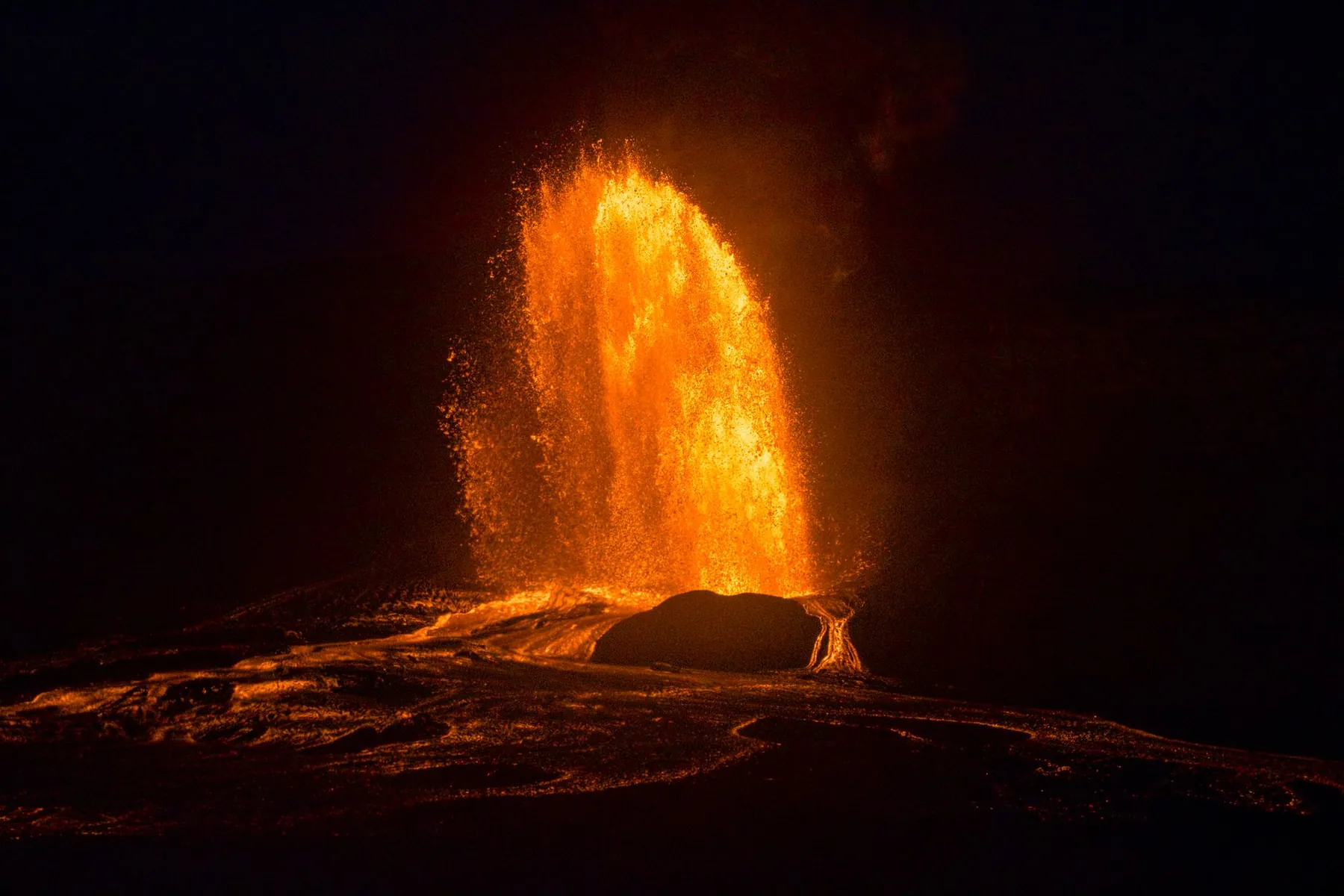
Hawaii Volcanoes National Park. Kilauea, our active volcano, is without any doubt the biggest attraction on the island. Anybody who visits the Big Island should see the park, where, as people here say, Madame Pele puts on her show of fire. We cover the visitor center and the practical side on our Hawaii Volcanoes National Park page. Next to the park, Volcano Winery offered tours and tastings of Hawaiian wines made nowhere else.
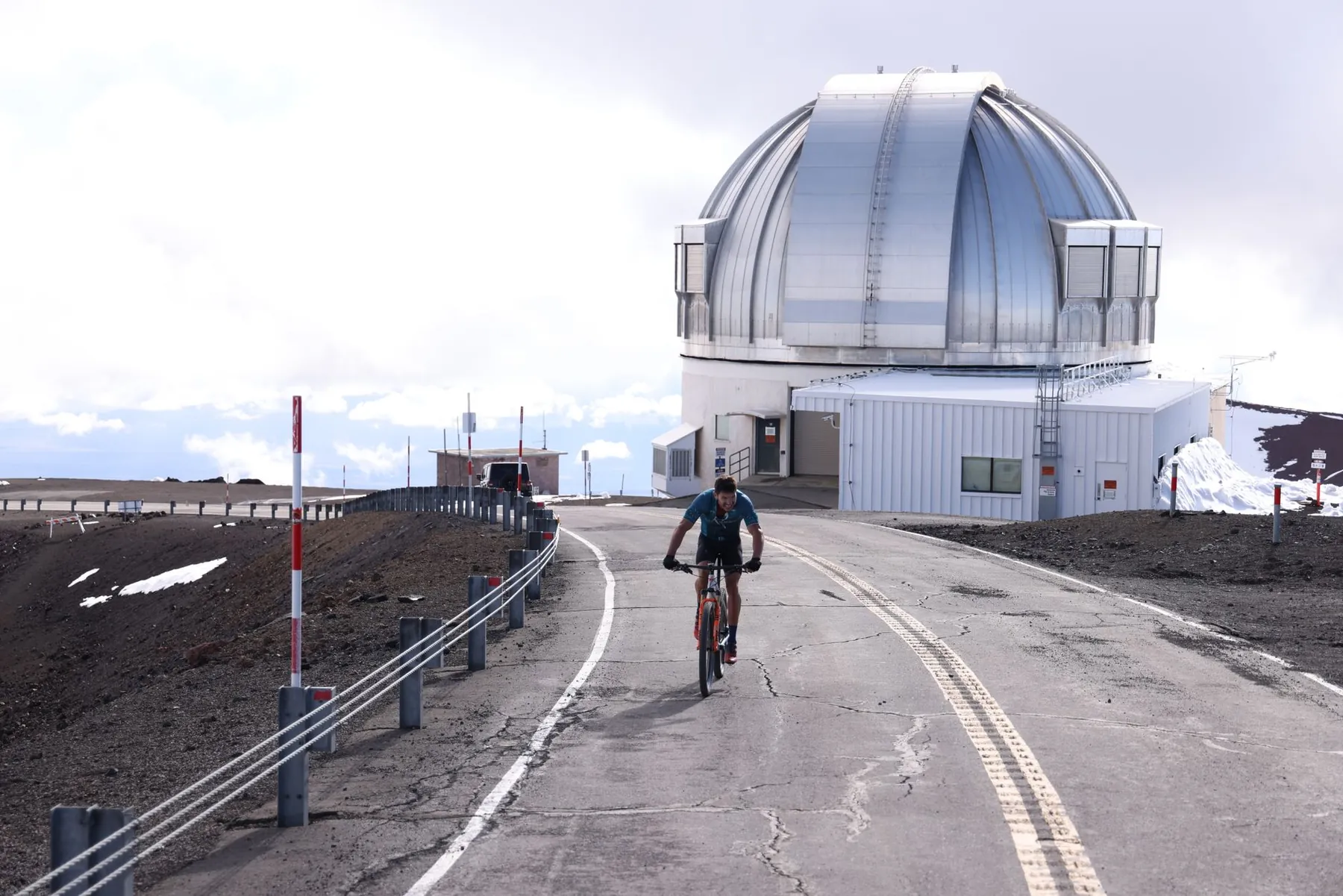
Mauna Kea summit. At 13,796 feet, the top of the island. The University of Hawaii’s Institute for Astronomy published the essential summit information: location, driving recommendations, weather, health hazards, the list of telescopes and the Visitor Information Center. You could drive to the summit on your own if you had a four-wheel drive, were in good health and the summit weather allowed it. Our 2013 list named Harper’s as the one rental company whose contract permitted Saddle Road and the summit. Guided stargazing tours were the alternative. Details on Mauna Kea observatories.
Parker Ranch and its historic homes, Waimea. Ranch activities gave visitors several ways into Parker Ranch history: the museum and visitor center, wagon rides with Kohala Carriages, and horseback riding.
Kings’ Shops, Waikoloa. One-stop shopping on the Kohala Coast with plenty of restaurants, hula performances, live Hawaiian music and tours of the nearby petroglyph fields. More on Kohala Coast shopping.
Hilo museums and stores. The Lyman Museum and Mission House; the Pacific Tsunami Museum, whose goal is public tsunami education for the people of Hawaii and for visitors; and Hilo Hattie, the Store of Hawaii, for Hawaiian fashion, music, books and videos. Hilo’s farmers market belongs on the same day.
South Point. The southernmost point of the United States.
Hawi. The North Kohala town we always sent people to, in the district where King Kamehameha was born.
Walks on the west side lead to ancient fishponds, sacred Hawaiian sites, heiau and petroglyphs. Pu’ukohola Heiau, built by King Kamehameha at Kawaihae next to Spencer Beach Park, is well worth a visit if you want to learn Hawaiian history where it happened.
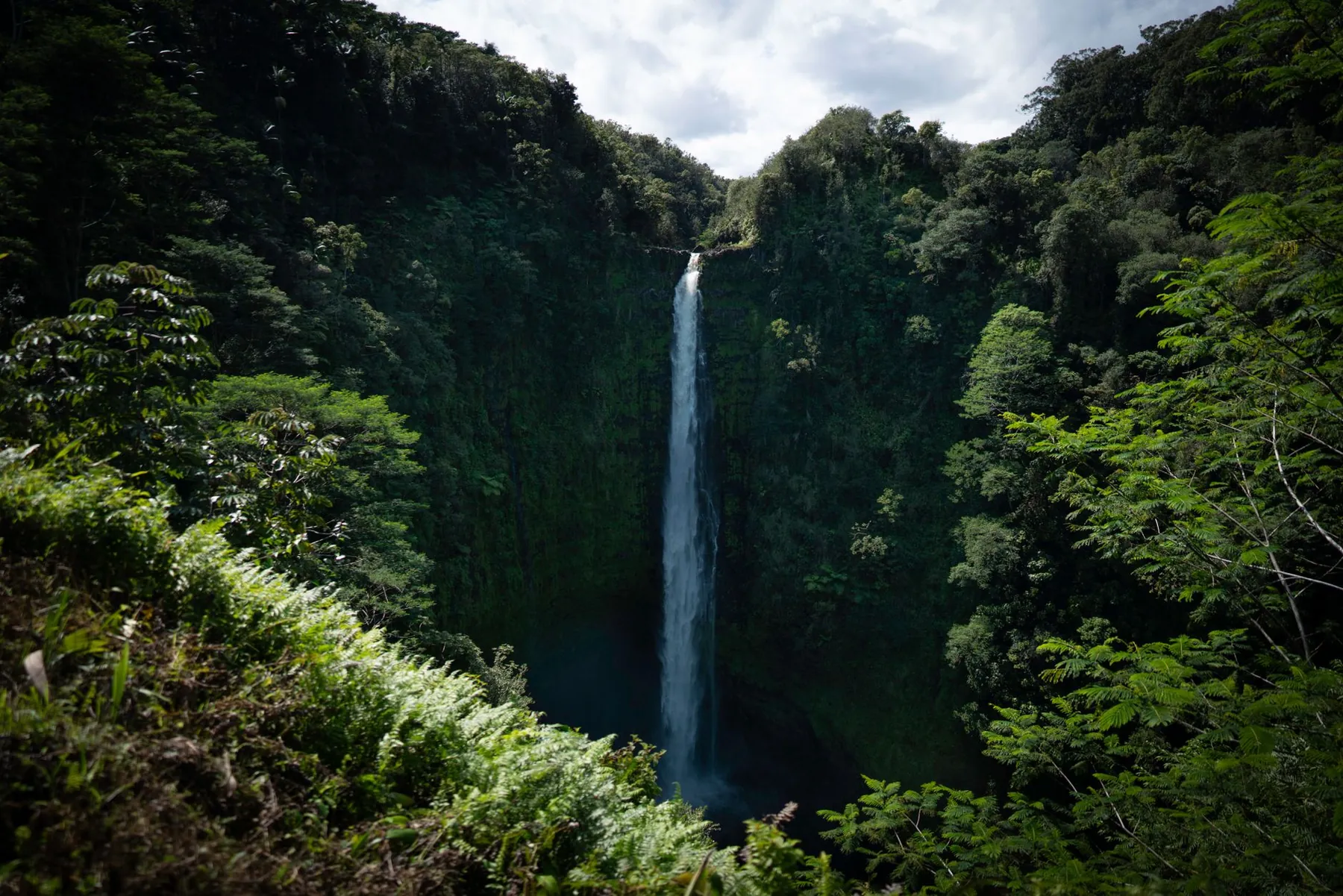
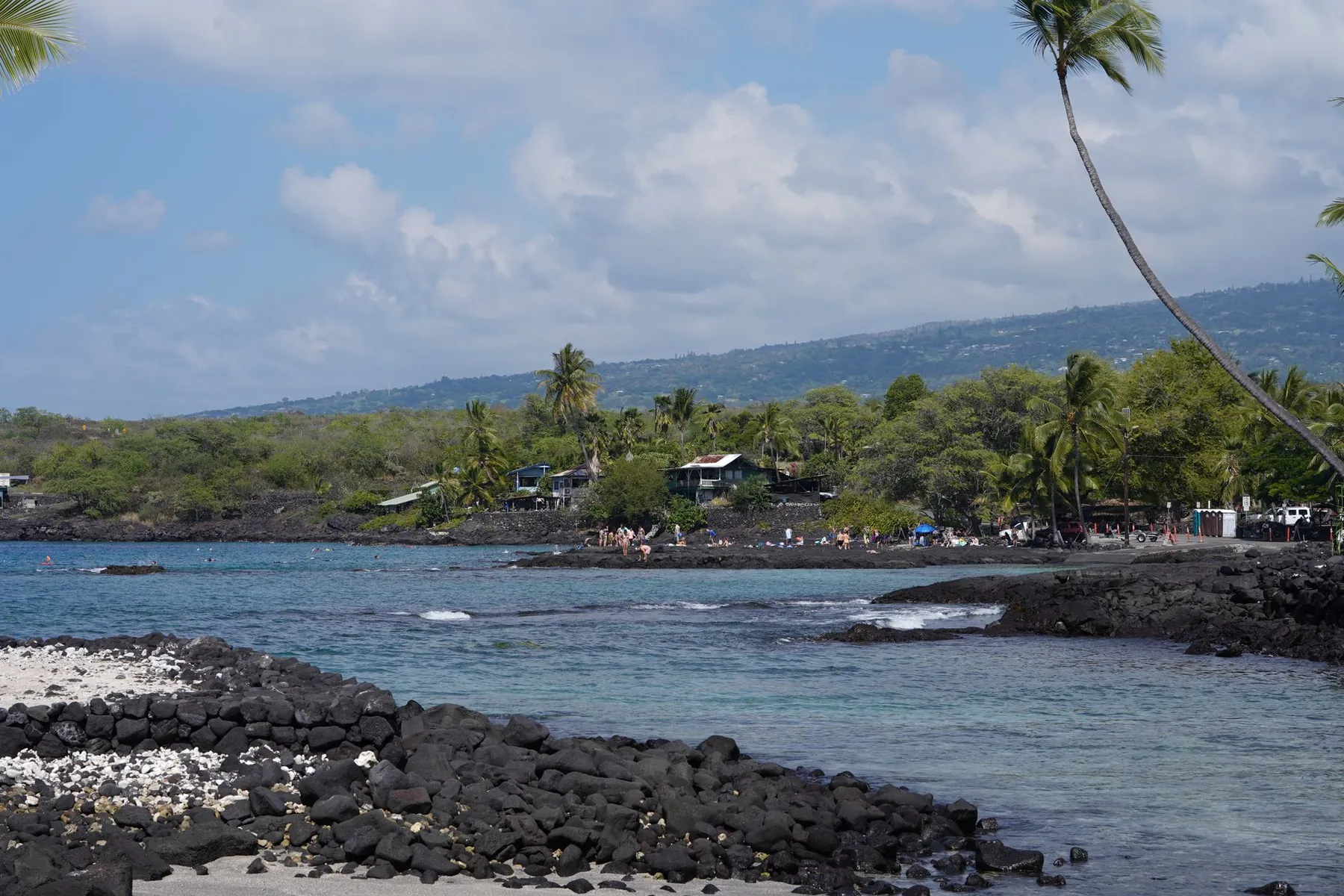
Sunbathe on the Kohala Coast beaches, swim in the ocean, boogie board, play beach volleyball. Mauna Kea Beach is perfect for swimming, snorkeling, boogie boarding and sunbathing, and it has both a hotel side and a public side.
Snorkelers and divers here meet turtles, eagle rays and wild dolphins. The operators we listed:
The night-time manta ray watch at the Mauna Kea Beach Hotel was free. The hotel had a lookout and switched on a spotlight after dark. The light draws plankton, and the rays arrive for dinner and perform their ballet. There is more about them on Hawaii ocean life.
Dolphin Quest at Hilton Waikoloa Village, on the Kohala Coast, was a favorite visit for whole families.
On the Kohala Coast, Reel Pleasure ran sportfishing charters out of Kawaihae Harbor and was known for a high success rate. On the Kona side a promotional group represented the Kona sportfishing fleet. Big game fishing off Kona is habit-forming: catch one blue marlin and you may not be able to stop.
The Kona coast offers some of the best whale watching anywhere. Captain Dan ran year-round whale watching tours there and was known for going the extra distance to find whales.
Waipio Valley. Explore the valley on the Hamakua Coast on horseback, by wagon, by van or on foot.
Hiking to waterfalls and valleys. Waipio Valley and Pololu Valley on the North Kohala coast are a hiker’s dream. Consider a guided tour: guides take you to places you would not find, or would not be allowed to enter, on your own. See Kohala Coast hiking.
Horseback riding. Ride in the Kohala hills or on Parker Ranch. Many companies offered rides around the island. Make sure the ride you choose matches your riding skills.
Cycling. Kona Coast Cycling Tours, in its sixth year when we listed it, ran bicycle tours on the belief that the seat of a bicycle is the best place from which to take in the sights, sounds, smells and textures of a new land.
Golf and tennis. Golf at one of the 16 championship courses on the island, several of them described on Kohala Coast golf, or play tennis.
Botanical gardens. Pua Mau Place sits on the western slope of the Kohala Mountains, above the Pacific, with wide ocean and mountain views and a growing collection of plants. Bring a lunch and use the picnic tables under the trees.
Farms and tastings. Visit Kona or Hamakua coffee farms and tour the macadamia nut farms and factories. Holualoa Kona Coffee Company, a recommended visit in Frommer’s Hawaii, gave free tours and tastings of 100 percent Kona coffee.
The Natural Energy Lab. The ocean science park near the Kona airport.
Bird watching. Bring binoculars.
Helicopter flights over an active volcano are one of the things only this island offers. Flights showed the fiery lava vents of Kilauea, then the tropical valleys of the Kohala Mountains with dozens of waterfalls, and the rainforest of the Hamakua Coast. Safari Helicopters, which flew A-Star helicopters on Kauai and the Big Island and had more than thirty years of praise from visitors and tour professionals for its safety record, was the company featured on this page.
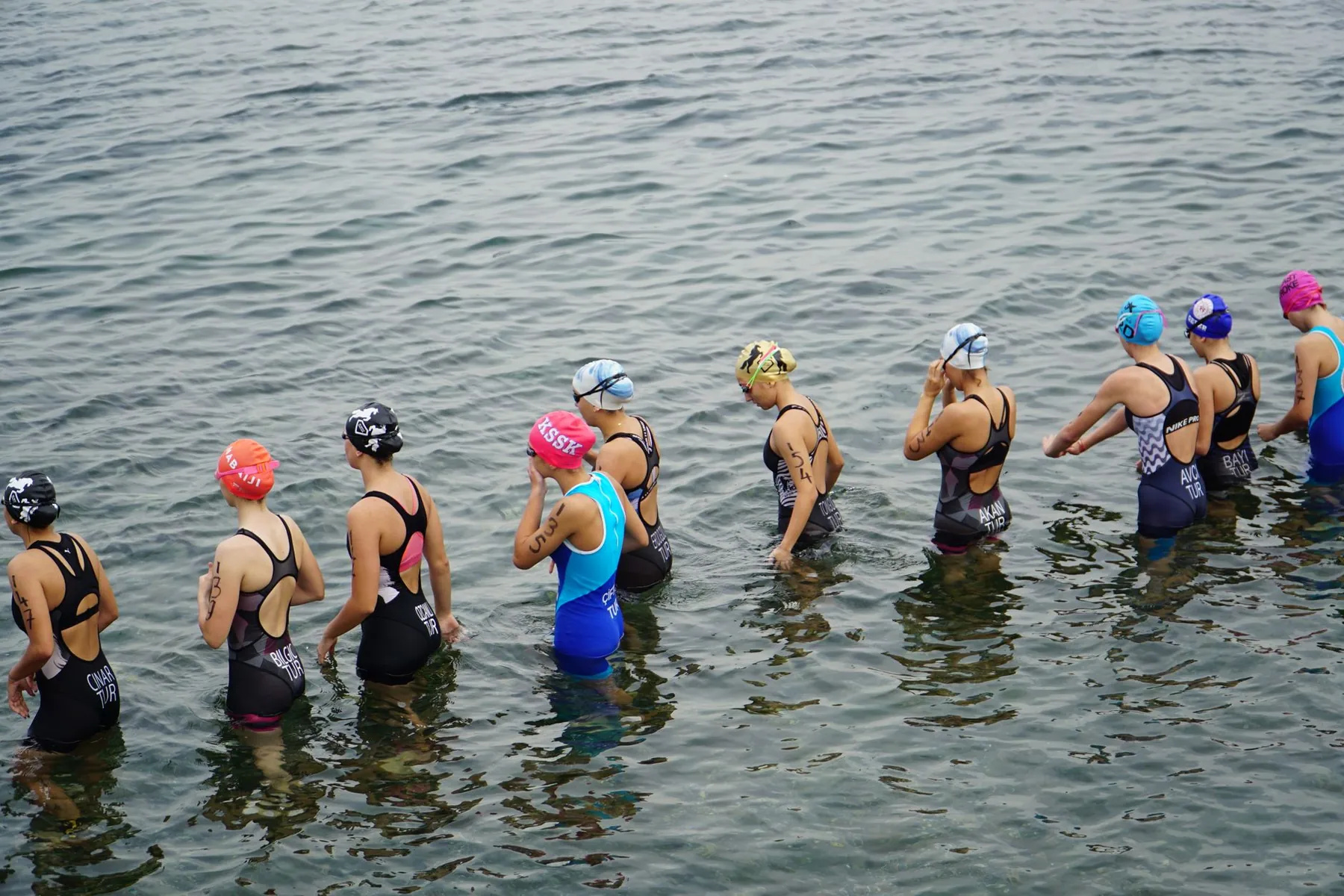
The Merrie Monarch Hula Festival in Hilo in spring, and the Hawaii Ironman Triathlon in Kona in October. Both change the feel of the island for a week, and both fill rooms early. The rest of the year is on Big Island events.
Yes. The guide's first piece of advice was that no matter which attractions you want to see, you will need to rent a car to get around. The Big Island really is big, the sights are spread across every coast, and a rental car was the only practical way to reach them.
At the Mauna Kea Beach Hotel, which had a manta ray lookout. A spotlight was switched on at night, the light attracted plankton, and the rays came in to feed on it, looping through the lit water in what the guide called their ballet.
Besides Hawaii Volcanoes National Park, the guide listed Kaloko-Honokohau National Historical Park, Pu'uhonua o Honaunau National Historical Park, also known as the City of Refuge, and Pu'ukohola Heiau National Historic Site at Kawaihae, built by King Kamehameha next to Spencer Beach Park.
Visiting Mauna Kea from the Kohala Coast: the Visitor Information Station, stargazing, summit tours, the road above, altitude risks, weather and what to pack.
The Ironman World Championship in Kailua-Kona: the course, how it began in 1978, podiums from 2010 to 2012, the 2006 earthquake race and tips for spectators.
The story of Easy Stretch, a gentle stretching and relaxation routine developed by Big Island massage therapist Keoki Staab with seniors in Waimea and Honokaa.