Kapoho and the Puna Coast: Tide Pools on the East Side
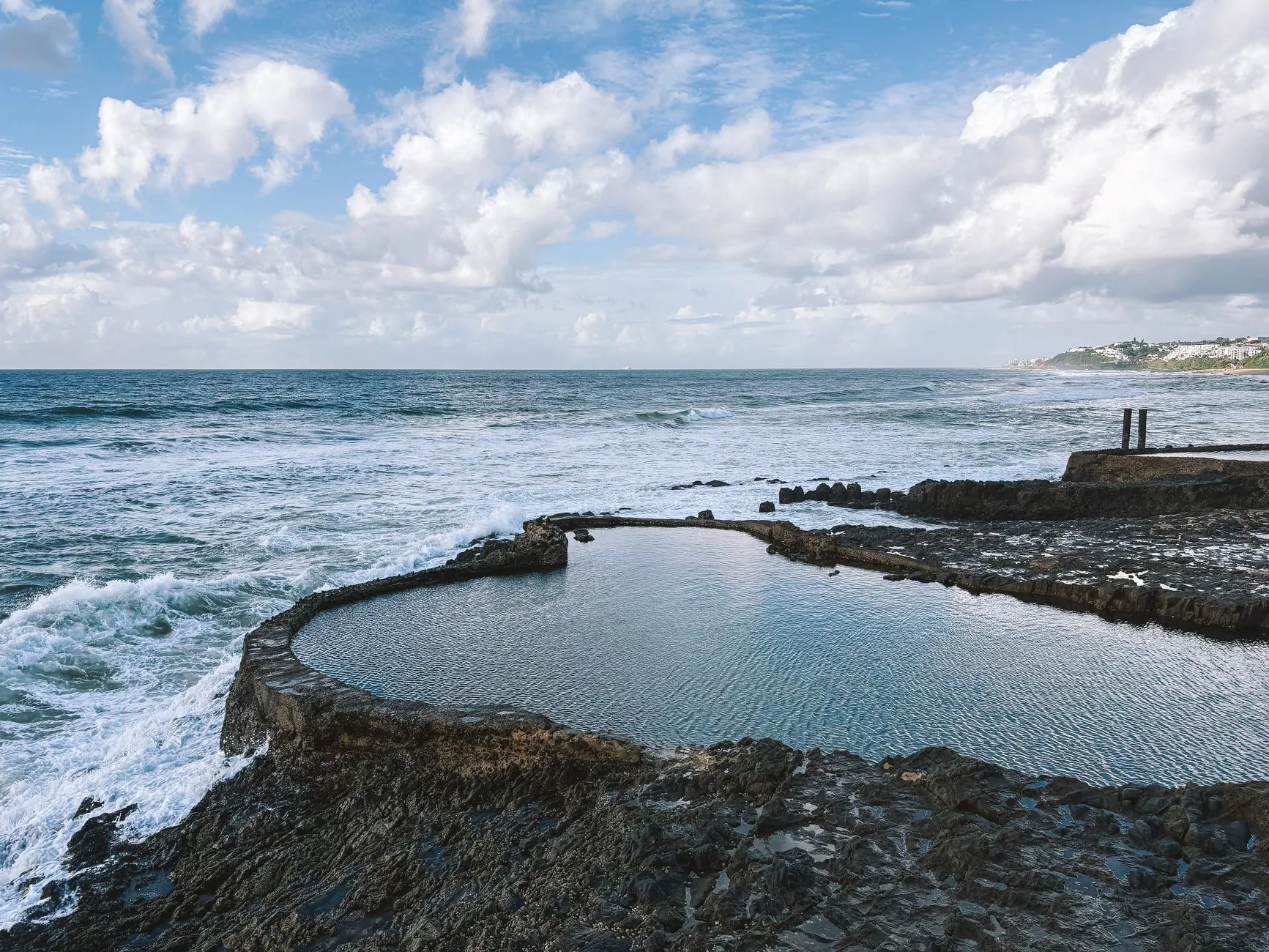
Kapoho in the Puna district as our guide described it in 2013: warm tide pools, cottages across from the water, Pahoa town and the drive from Hilo airport.

Many visitors want to see more than one island once they are in Hawaii. For those adding Maui, our old guide pointed to Kihei: dry, sunny, lined with beaches and built for condo living.
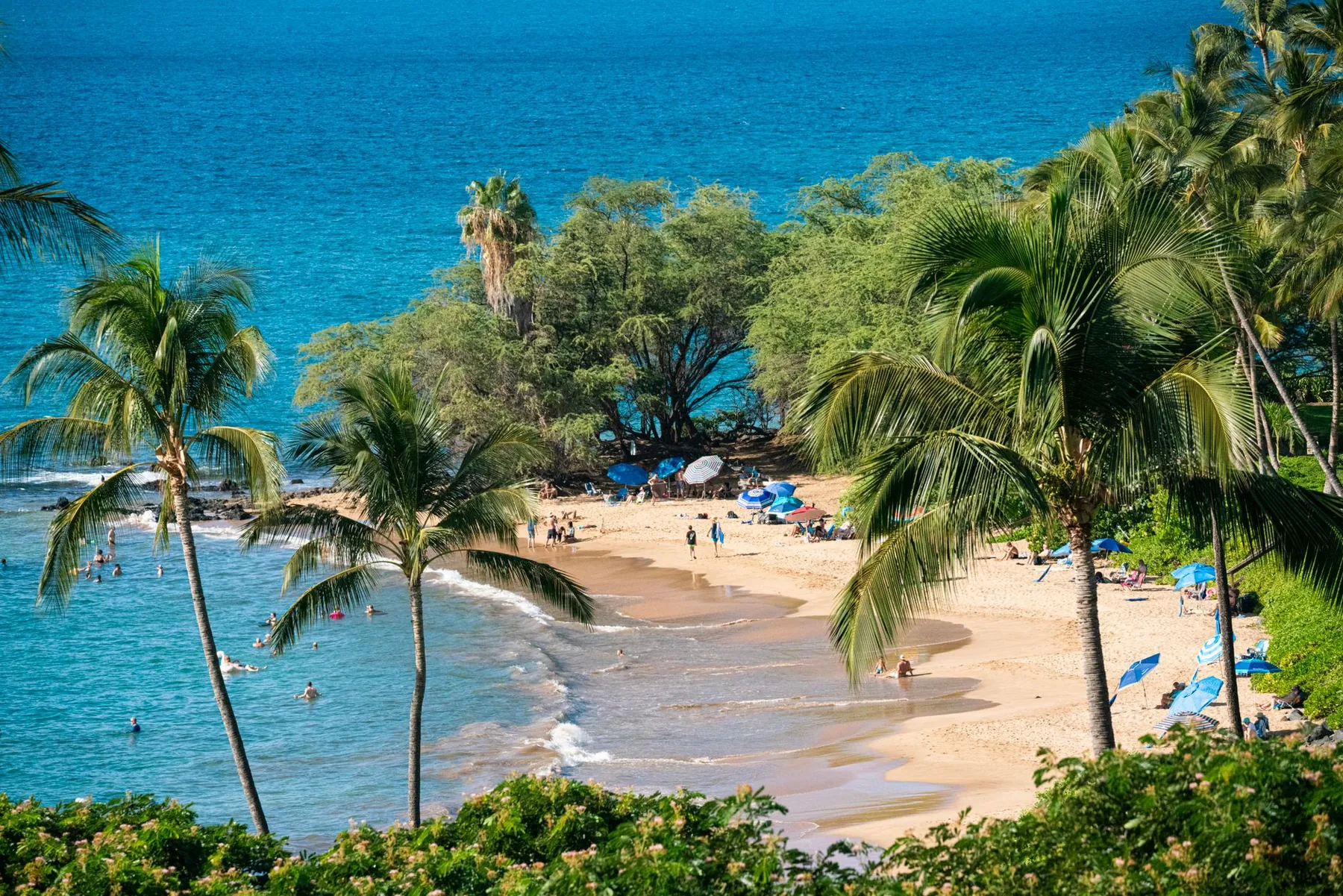
Kihei, in South Maui, is the sunniest and driest section of the island. When it is raining at Ka’anapali Beach and Lahaina in West Maui, it is probably a fine beach day in Kihei. Warm weather all year and long white sand beaches made it a favorite of the “snowbirds” from Canada, Alaska and Washington state, who arrived from December to March.
The town runs along South Kihei Road with one beach after another. Kamaole Beach II is sandy, good for swimming and wading with kids, and had lifeguards on duty seven days a week. Charley Young Beach is another well-known stretch a few minutes along the road. Smaller, quieter pockets of sand sit between them.
Snorkel trips to Molokini leave from just down the road. The golf courses of Wailea are a few miles away. When winter waves are too big for ocean swimming, a condo pool earns its keep.
Kihei was a condo town, and the stay it offered was practical more than glamorous. What guests usually looked for:
Complexes came in two flavors. Low-rise garden complexes sit in residential streets back from South Kihei Road, away from the traffic noise, a short walk from a small beach, with views up to Haleakala. Larger complexes stand directly across the road from the main beach parks, about two minutes’ walk from the sand, close enough to hear the waves at night. Units ran from hotel-style studios for a couple to two-bedroom, two-bath condos for a family of up to six or two couples.
Kihei is unusually walkable for Hawaii. Grocery stores, a craft fair, a post office, shops and a range of restaurants from takeout to fine dining were within a block or a ten-minute walk of the main condo areas. Some guests managed quite well without a rental car, at least for the beach days.
Value season ran roughly from May to mid-December and high season from mid-December through April, with the Christmas and New Year weeks in a class of their own. Longer stays generally earned a better nightly rate.
If the Kohala Coast is your main base, treat Kihei as a contrast: a walkable beach town after the wide open spaces of the Big Island. More on the island itself is on our Maui page, and the home base is covered in the Big Island overview.
Kapoho in the Puna district as our guide described it in 2013: warm tide pools, cottages across from the water, Pahoa town and the drive from Hilo airport.
Where to stay on the Kohala Coast, from Puako to Hawi: private homes, Kohala Ranch estates, resort condos at Waikoloa and Mauna Lani, and upcountry B&Bs.
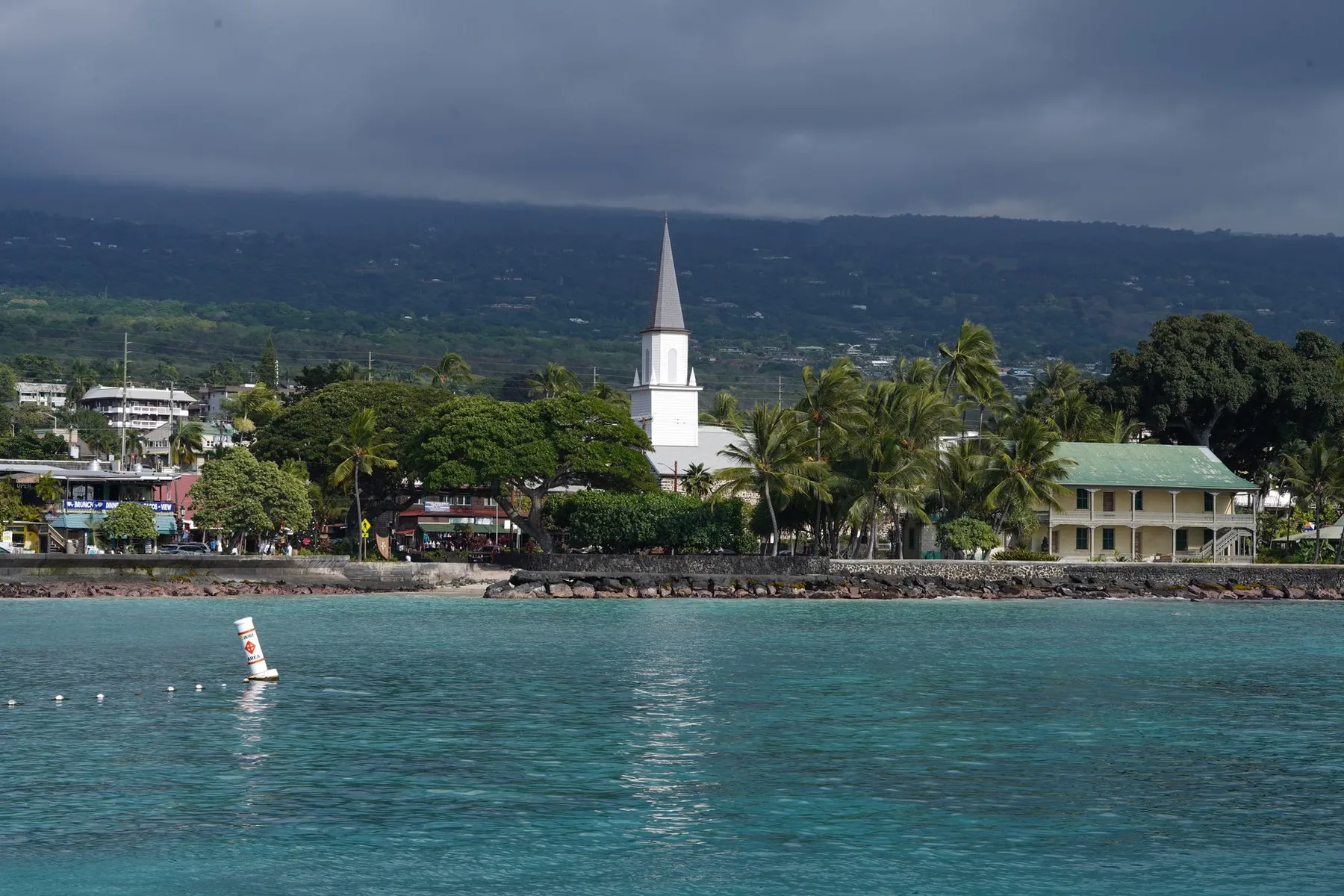
A guide to staying in Kona on the Big Island: condos along Alii Drive, hillside homes above Kailua-Kona, Keauhou golf condos and South Kona coffee farms.