Staying in Kona: Kailua-Kona, Alii Drive, Keauhou and South Kona
A guide to staying in Kona on the Big Island: condos along Alii Drive, hillside homes above Kailua-Kona, Keauhou golf condos and South Kona coffee farms.

From Puako in South Kohala to Hawi at the northern tip, the coast offered three kinds of private stay: houses, resort condos and bed and breakfasts. Each sits in a different landscape, at a different elevation and distance from the sand.
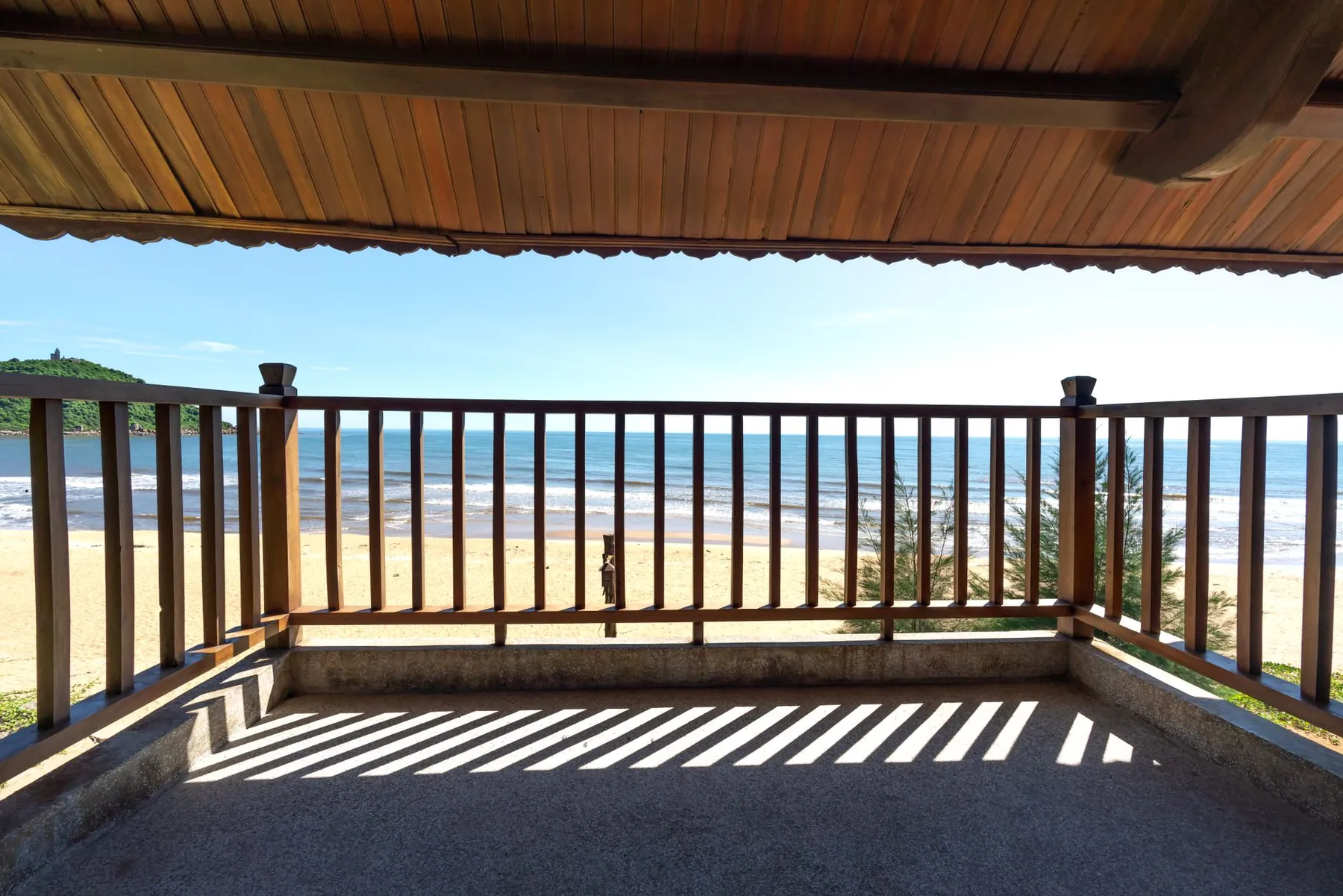
The Kohala Coast is also called the Gold Coast, because the sun shines here nearly all year and because of its white sand: Hapuna Beach, Mauna Kea Beach, Spencer Beach Park, Puako’s beach at Wailea Bay and Anaehoomalu Beach (A-Bay) at Waikoloa Beach Resort. Our beach guide goes through them one by one.
Private rentals stretched along the whole coast and up the slopes behind it. Guests could choose ocean front, ocean view, golf view or mountain view, by the day, week or month. A good rental here combined many of the comforts of a Kohala Coast hotel with the privacy of a house. Hosts typically supplied a fully equipped kitchen, wireless internet and beach gear for adults and kids.
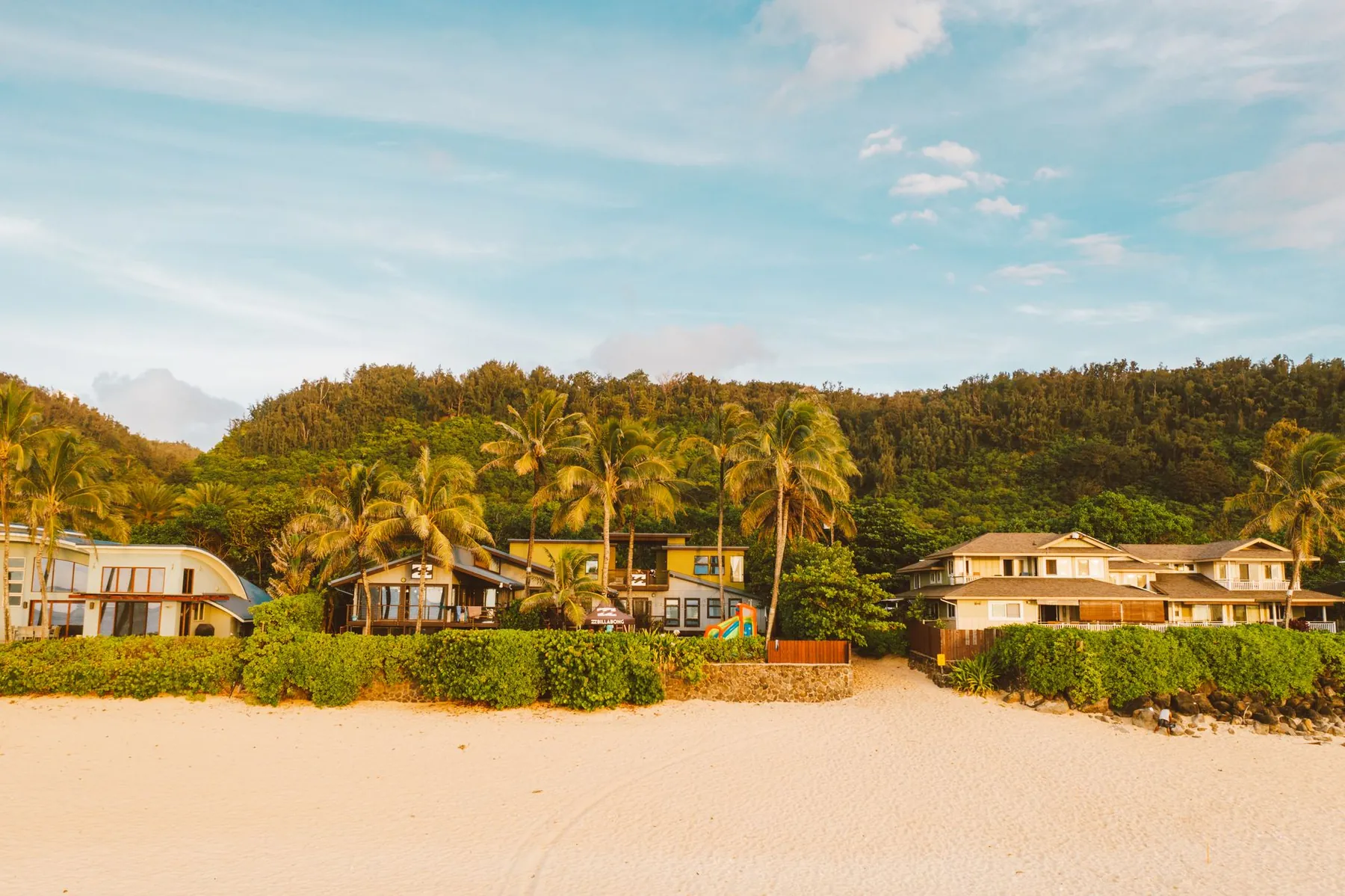
Puako is the one residential oceanfront village on this coast, and it has become one of the most desired areas for private beach rentals. Houses on the makai (ocean) side of Puako Drive have their own shoreline; small apartments on the mauka (mountain) side sit across the street from the tide pools and ocean access, a few minutes’ walk from the water. It has its own pages: Puako and beachfront homes.
North of the resorts, on the northwest slope of the island, lies gated Kohala Ranch, roughly four thousand acres. It climbs from about 300 feet near the coast to about 3,000 feet at its top entrance, so it passes through several temperature and climate zones, a small copy of the Big Island itself. The midsection, called the Meadows, is where you rarely feel heat or cold. It is cooler than the shore yet a 10 to 15 minute drive from the beaches.
Homes here were the luxury end of the market: houses on several acres with pools, some with a tennis court, and wide unobstructed views of the ocean, the coastline, Mauna Kea and, across the channel, Maui. From December to April the lanai doubles as a whale watching post. The ranch also has an equestrian center. Neighboring Kohala Estates is peaceful, set in rolling hills a few hundred feet above the coast, with views of the ocean, the coastline and Hualalai.
What made this area practical, not only scenic: Hapuna and Mauna Kea beaches and several golf courses within about ten minutes, Kawaihae Harbor close by for snorkeling, scuba and fishing trips, Spencer Beach Park with its shade and calm water for children and older guests, and the town of Hawi about fifteen minutes north for provisions, local entertainment and art galleries. Kona airport is roughly 35 minutes or 35 miles to the south.
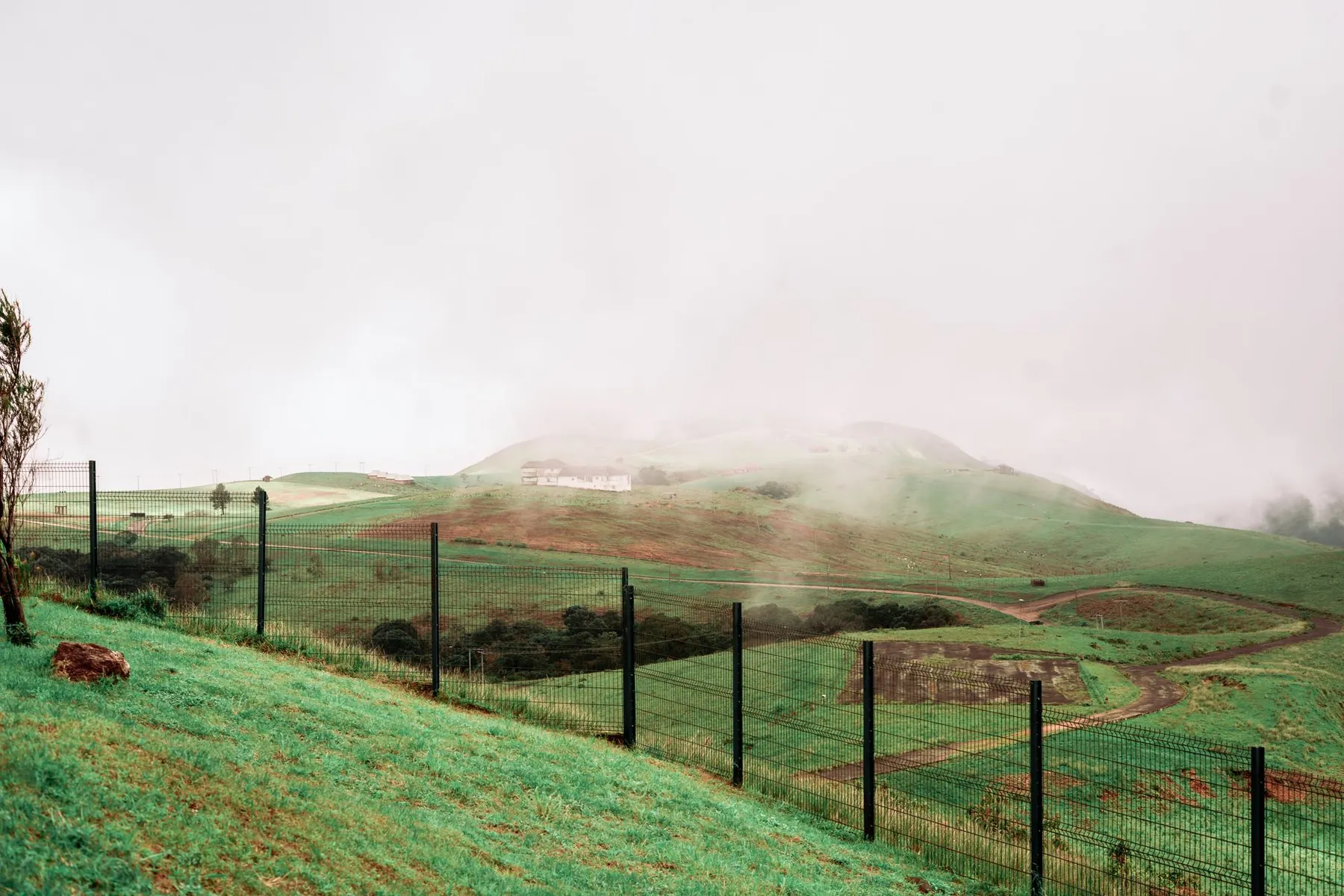
Cooler homes in the uplands were always part of the picture. Houses on the “sunny side” of Waimea sit at the foot of the Kohala mountain range, about a ten minute drive from the South Kohala beaches. Some older homes were divided into private suites, each with its own entrance, bath and kitchen, which made them popular for family reunions, weddings and retreats. See the Waimea guide.
At the northern tip, the old towns of Hawi and Kapaau offered small houses in valleys and on farms, among fruit trees, birdsong and trade winds. It is green and quiet country. Pololu Valley, with its hike down to a black sand beach, is close by. So are King Kamehameha’s birth site and the Mo’okini Heiau. Hawi has restaurants, galleries and shopping, and zip-line tours and horseback riding operated in the area.
The trade-off is distance. The South Kohala beaches (Spencer, Mauna Kea, Hapuna) are about a half hour drive away. In October, Hawi is the turnaround point for the Ironman bike course, so expect triathletes and unusual crowds on the road that day.
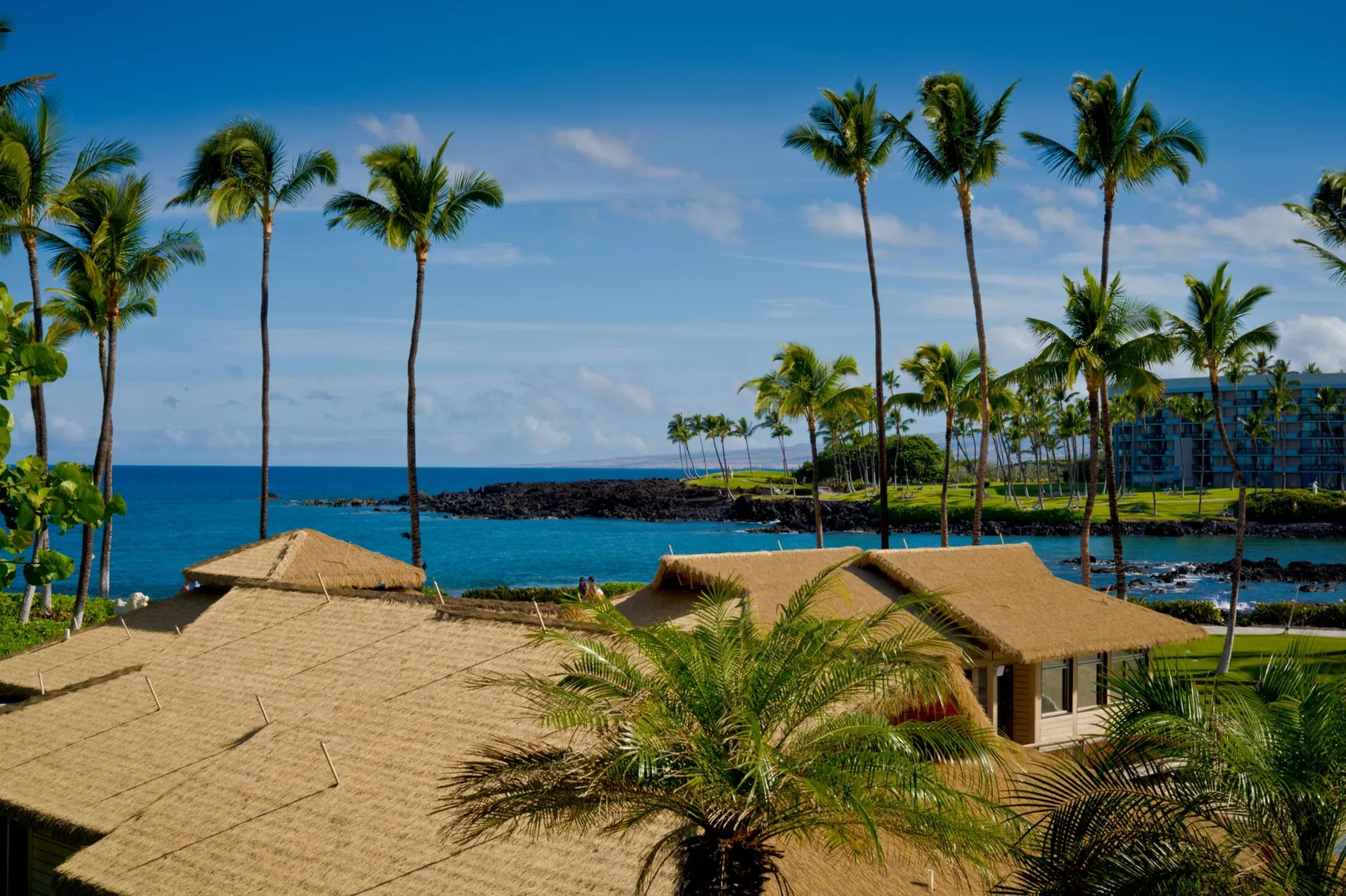
The largest cluster of vacation condos sat inside Waikoloa Beach Resort, alongside the Hilton and Marriott hotels. Complexes lined the Kings’ and Beach golf courses, and guests commonly received preferred or discounted golf rates. The Kings’ Shops provided boutiques and restaurants within the resort. Units were typically one or two bedrooms with full kitchens, washers and dryers and large lanais; some complexes added pools, tennis courts and fitness rooms. The beach is Anaehoomalu Bay, a sheltered stretch of sand with sunset cruises, snorkeling and diving. Some complexes were a ten minute walk from it, and one gated oceanfront community sat just minutes away.
Mauna Lani’s condo communities were built around the Francis H. I’i Brown golf courses, two championship 18-hole layouts, near the Mauna Lani Bay Hotel and the Fairmont Orchid. The range ran from one and two bedroom condos overlooking the ocean and the historic Hawaiian fishponds to split-level townhomes of 2,100 square feet and more. Residents and guests used the Beach Club, where the white sand allows snorkeling close to shore, plus a racquet club with tennis courts and a 25-meter lap pool. The feel is country club: quiet, private, landscaped.
Do not mix up Waikoloa Village with Waikoloa Beach Resort. The Village is inland, in the uplands, beside ranch land where paniolos (cowboys) still ride and rope. Condos there came with tennis, a pool, a hot tub and panoramic ocean and mountain views, with the Waikoloa Village golf course next door and the galleries and restaurants of Waimea within reach.
One small condo complex of 36 units stands in Puako village, about 400 feet from the ocean. It was the affordable way to stay in a place where oceanfront houses do not come cheap.
B&Bs on this coast were mostly upcountry. In and around Waimea (Kamuela) they included a historic inn dating from 1897, a larger country inn of about thirty rooms set back from the road, and hillside homes on the slopes of Mauna Kea with cool, quiet nights, starry skies and views across to Mauna Loa and down to the Pacific. From Waimea, the white sand beaches were described as 20 to 30 minutes away and Kawaihae Harbor about 15.
Closer to the water, there were B&B suites in Kohala Estates, where guests watched whales and stars from their own lanai, and a modest kama’aina beach home in Puako, across the road from the ocean and about 30 minutes from Kona airport, serving island fruit, local baked goods and Kona coffee.
High season lasted from December to March. Spring and fall were the value months, and the weather on this dry coast changes little; see the weather page. For other parts of the island, go back to the Big Island overview.
High season ran from December to March, when the snowbirds travel to Hawaii for a winter vacation. The archived guide recommended the spring and fall months to travelers on a budget who still wanted the resort coast of South Kohala and short drives to Hapuna and Mauna Kea beaches.
They are two different places. Waikoloa Beach Resort is on the ocean, with the Hilton and Marriott hotels, two golf courses, the Kings' Shops and the beach at Anaehoomalu Bay. Waikoloa Village is inland in the uplands, next to ranch land, with its own golf course and condos.
For views, privacy and cooler air. The gated ranch climbs from about 300 feet to about 3,000 feet, so homes there look over the ocean and coastline, and whales can be watched from the lanai in winter. Hapuna and Mauna Kea beaches were described as a short drive away.
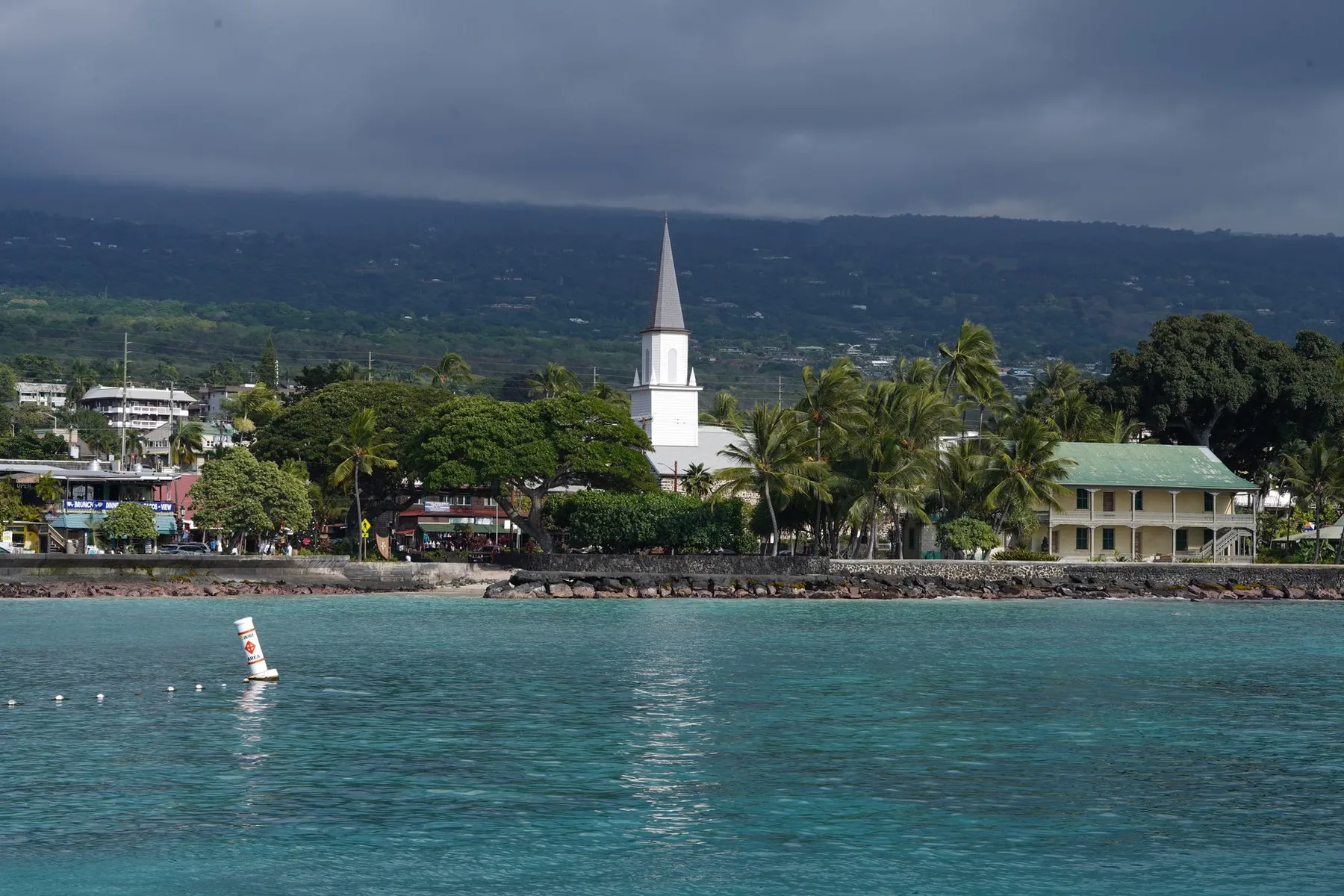
A guide to staying in Kona on the Big Island: condos along Alii Drive, hillside homes above Kailua-Kona, Keauhou golf condos and South Kona coffee farms.
An area-by-area guide to staying on Hawaii's Big Island: Kohala Coast, Puako, Waimea, Kona, Hamakua, Hilo, Kapoho and Volcano, and who each one suits.
Why visitors based themselves in upcountry Waimea on the Big Island: cooler air, lower rates, Parker Ranch country and short drives to Kohala beaches.