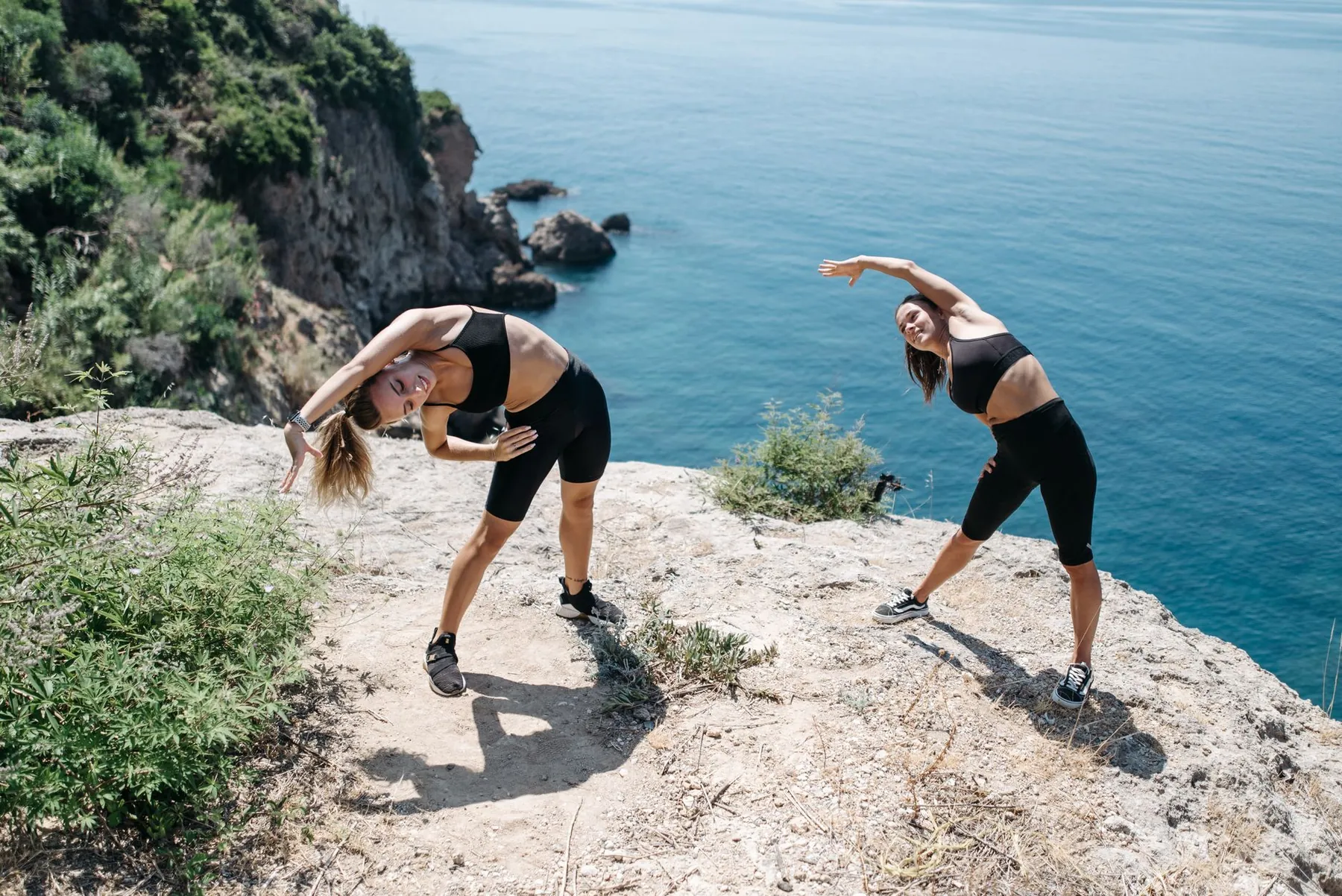
Easy Stretch: Keoki's Hawaii Stretching and Relaxation Routine
The story of Easy Stretch, a gentle stretching and relaxation routine developed by Big Island massage therapist Keoki Staab with seniors in Waimea and Honokaa.

Every October the world's fittest people swim off Kailua Pier, ride north to Hawi and run back down Alii Drive. This page keeps the race's story, the results our guide recorded, and advice for watching from the Kohala Coast.
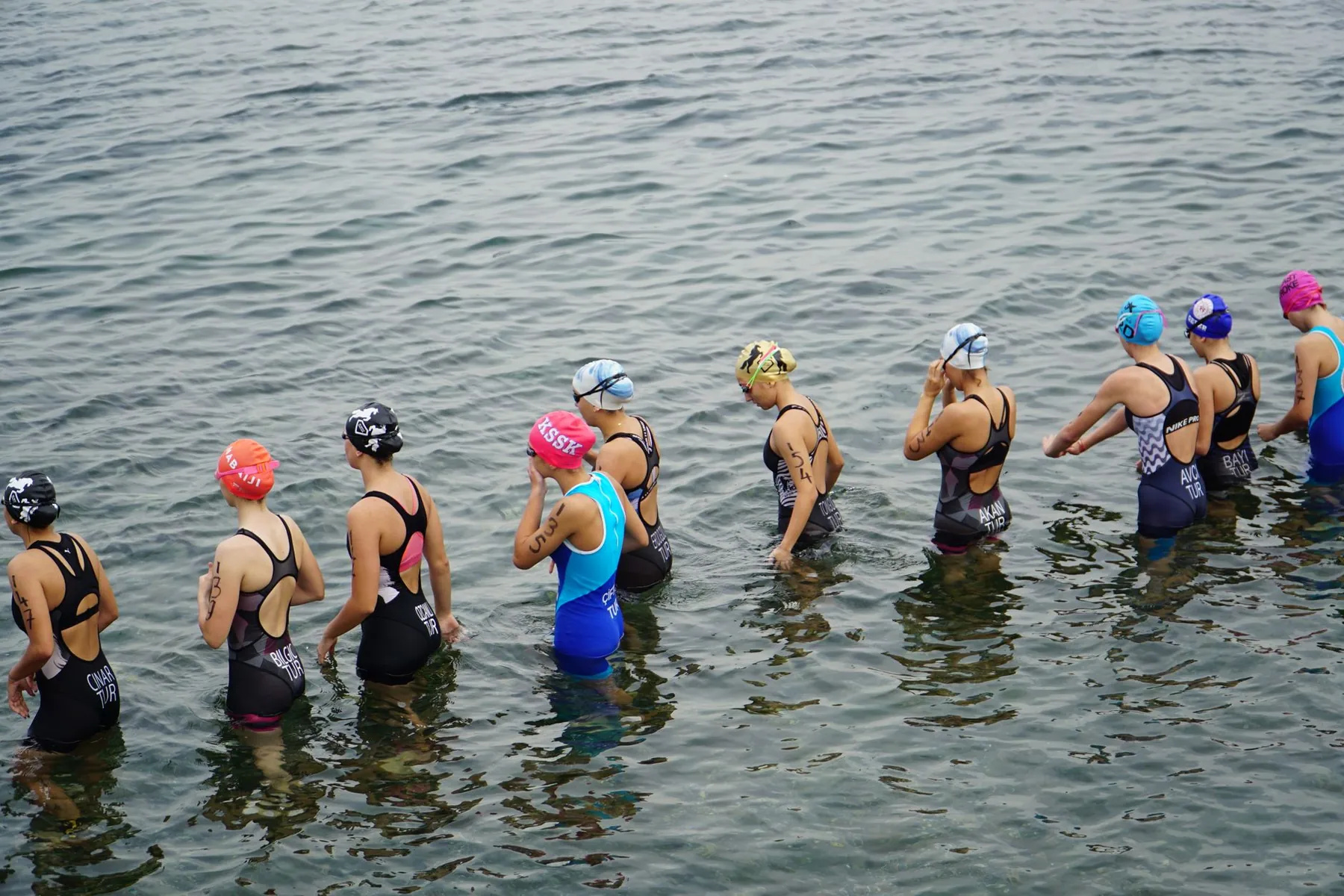
Every October, on the Saturday closest to the full moon, Kailua-Kona hosts one of the toughest endurance events there is. It is the biggest event on the island’s calendar, and Kona fills up for it well in advance. The race our guide was counting down to when this page was last edited was the 2013 Ford Ironman World Championship, held on October 12, 2013.
What. A 2.4-mile ocean swim, a 112-mile bike race and a 26.2-mile run, back to back, in one day. Competitors have 17 hours to finish. Cutoff times apply to the swim, 2 hours 20 minutes after the start of the race, and to the bike, 10 hours 30 minutes after the start.
Where. The swim begins and ends at the pier in Kailua. The bike course goes north along the Kona Coast, past the Kohala resorts, to the small village of Hawi, then returns along the same route to the transition area at the King Kamehameha hotel. The marathon runs through Kailua and out onto the same highway used for the bike. The finish is on Alii Drive, where more than 25,000 people cheer the runners in.
Who. Up to 2,000 competitors, aged 18 to 80, from more than 50 countries and all 50 states. Although anyone can enter most Ironman races, the athletes here have either qualified at another event or won a lottery slot. Upwards of 50,000 people attempted to qualify at Ironman races worldwide. Another 4,000 entered the lottery, which awarded 150 slots to U.S. citizens and 50 to international athletes. Age group champions automatically qualified for the following year.
The fastest men finished in a little over eight hours and the fastest women in just under nine. For everyone, getting through the hot, windy, desolate lava fields of the Kona region is as much a mental test as a physical one.
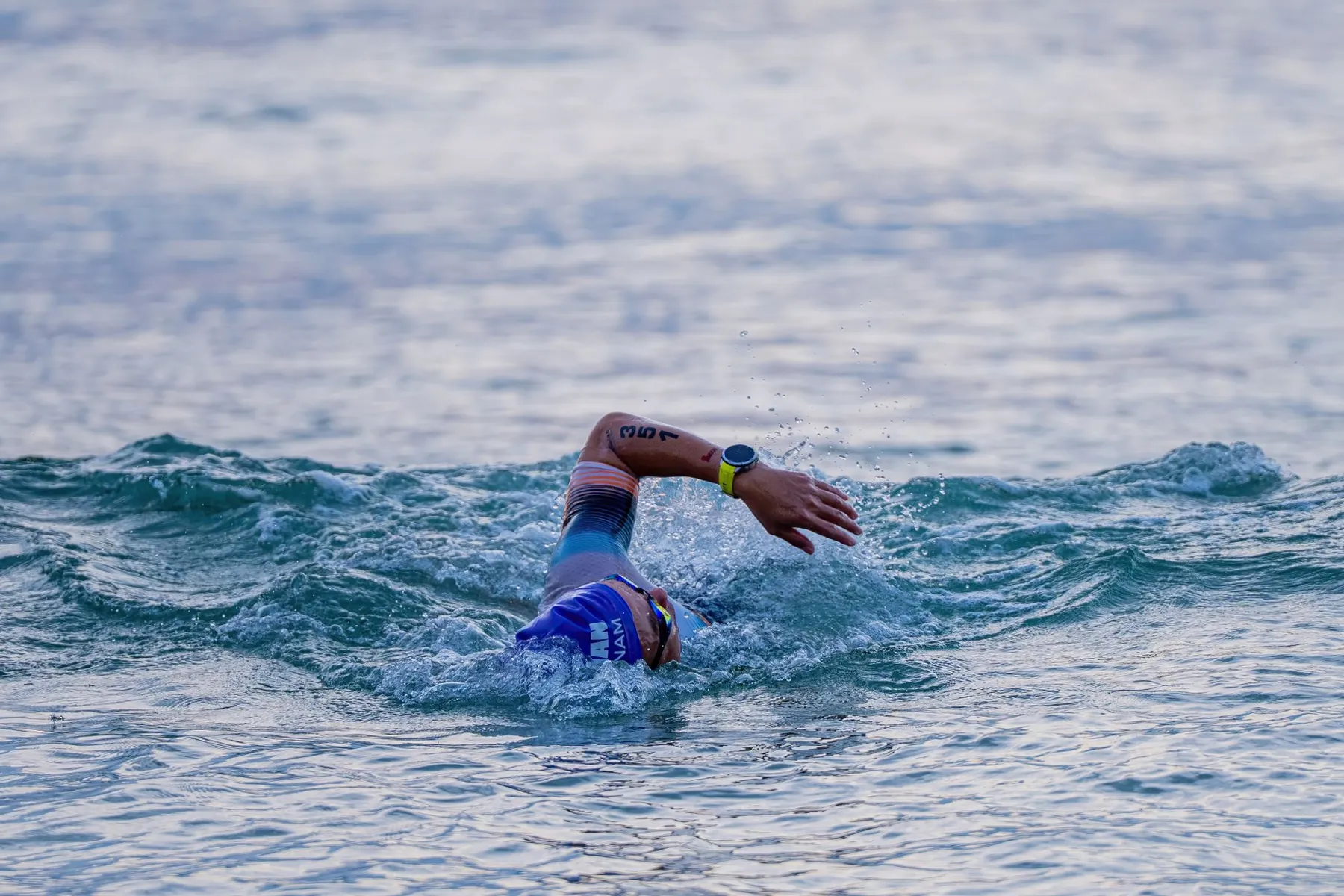
Triathlon’s roots go back to 1974 and Mission Bay in Southern California, where a group of friends had begun training together. There were runners, swimmers and cyclists among them, and before long the training sessions turned into informal races. The first Mission Bay Triathlon, conceived and directed by Jack Johnstone and Don Shanahan, was held on September 25, 1974, with 46 athletes.
Four years later, in Hawaii, an argument arose over which of the three disciplines required the greatest endurance. At the time Hawaii had the Waikiki Rough Water Swim (2.4 miles), the Oahu bike race (112 miles) and the Honolulu Marathon (26.2 miles). Each was an event in its own right. In 1978 they were rolled into one, and the Hawaii Ironman Triathlon was born.
That first race drew 15 athletes. Twelve crossed the finish line. By 1982 the Hawaii Ironman was getting extensive coverage on ABC’s sports programming, and the field had grown to 580.
| Place | Men | Time | Women | Time |
|---|---|---|---|---|
| 1 | Pete Jacobs (AUS) | 8:18:37 | Leanda Cave (GBR) | 9:15:54 |
| 2 | Andreas Raelert (DEU) | 8:23:40 | Caroline Steffen (SUI) | 9:16:58 |
| 3 | Frederik Van Lierde (BEL) | 8:24:09 | Mirinda Carfrae (AUS) | 9:21:41 |
With his 2011 title Craig Alexander became an Ironman legend: one of four men to have won the race at least three times, alongside Dave Scott, Mark Allen and Peter Reid. On the women’s side Chrissie Wellington took the title back from Mirinda Carfrae.
| Place | Men | Time | Women | Time |
|---|---|---|---|---|
| 1 | Craig Alexander | 8:03:56 | Chrissie Wellington (GBR) | 8:55:08 |
| 2 | Pete Jacobs (AUS) | 8:09:11 | Mirinda Carfrae | 8:57:57 |
| 3 | Andreas Raelert (DEU) | 8:11:07 | Leanda Cave | 9:03:29 |
| Place | Men | Time | Women | Time |
|---|---|---|---|---|
| 1 | Chris McCormack (AUS) | 8:10:37 | Mirinda Carfrae (AUS) | 8:58:36 |
| 2 | Andreas Raelert (DEU) | 8:12:17 | Caroline Steffen | 9:06:00 |
| 3 | Marino Vanhoenacker (BEL) | 8:13:14 | Julie Dibens (GBR) | 9:10:04 |
The podiums are only part of it. In 2009 the stories we passed along were about participants who won no medal and still won their own personal battles on the course.
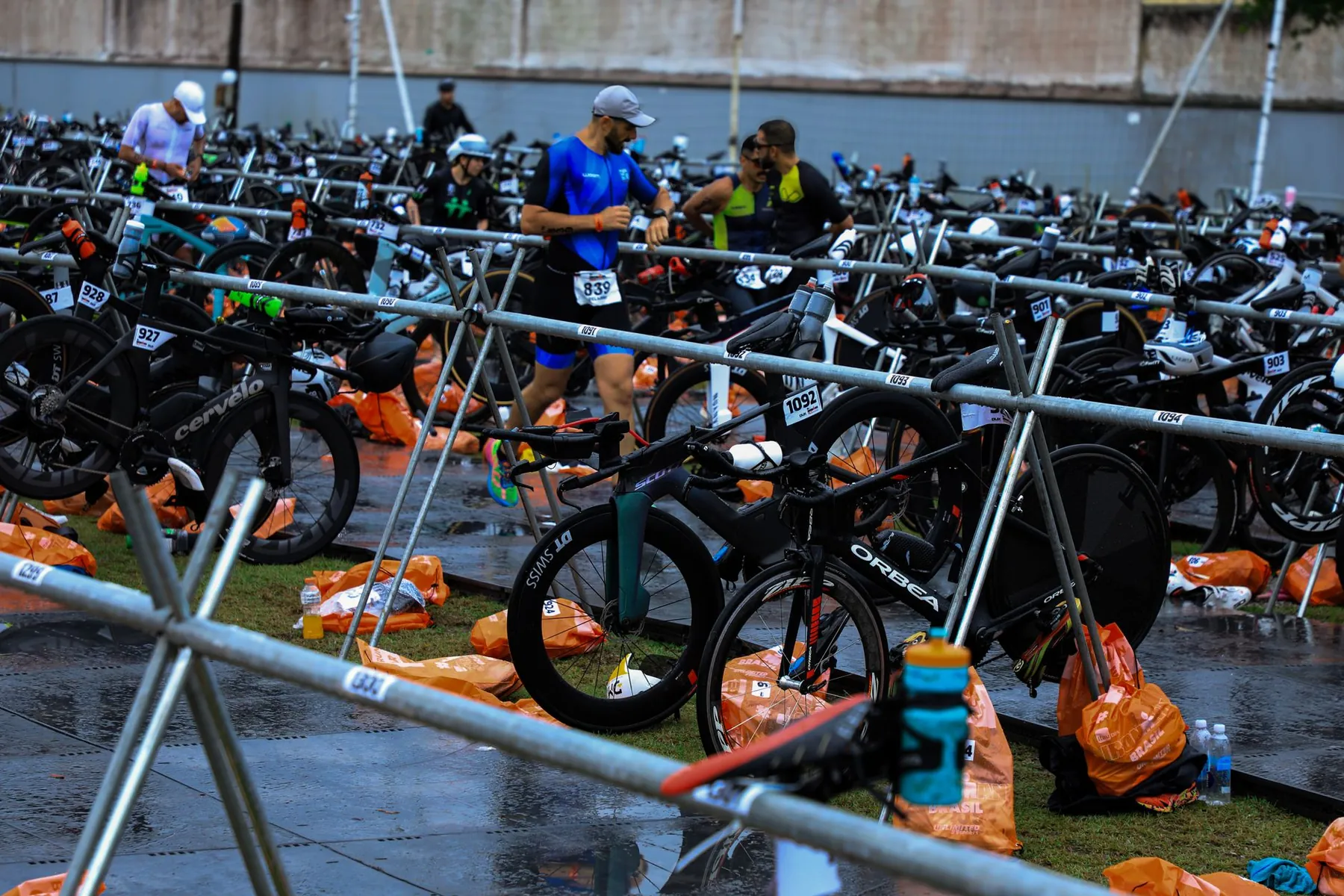
The 2006 Ironman, held on October 21, will stay in the memory of visitors and athletes as the race with the earthquake.
At 7 in the morning on Sunday, October 15, six days before the start, a 6.9 earthquake hit the west coast of the Big Island. It left visitors, athletes and residents shaken and wondering whether there would be a race at all. It was soon clear that the island and its people had come away with a big scare and only minor injuries and building damage.
The weather was strange that whole fortnight. In the days before the earthquake, Kona was unusually hot and humid. In the days after, the area was hit by a series of torrential downpours of uncommon force and length. On race day itself the skies were overcast and no heavy winds troubled the cyclists on the ride to Hawi and back. It seemed Pele had made peace with the athletes.
It went that well until 7:20 in the evening, more than twelve hours into the race, when a cloudburst broke over Alii Drive, the home stretch. Athletes had to wade through knee-deep water to reach the finish line. About an hour later the rain stopped and the water drained away. Some finishers had run ten miles or more in soaked shoes and clothes; the luckier ones came in completely dry.
If you care about sport at all, this is a competition to see in person: world-class athletes fighting the elements and themselves. Visitors staying on the Kohala Coast had two good ways to do it.
For early birds. Leave your rental at about 5 in the morning to find parking in Kailua-Kona and a good position on Alii Drive. At 7 sharp the whole field goes into the Pacific at once for the 2.4-mile swim, and that is the most spectacular scene of the day. Spectators watch the swimmers from shore while boats follow the pack.
For everyone else. Drive to the junction of Highway 19 and Highway 270 and cheer the cyclists on their way to Hawi. You get a close look at the athletes and feel the heat of the competition, and of Hawaii, without the pre-dawn start.
Kona hotels, condos and vacation rentals booked up fast for race week, and our standing advice, to athletes and spectators alike, was to reserve early. To find Kona, Hawi and the bike course in relation to where you are staying, see our map page. Places to stay on our side of the island are on Kohala Coast hotels.
Two smaller events used the same coast and suited athletes not ready for the full distance: the Lavaman triathlons at Waikoloa and Keauhou, and Ironman 70.3 Hawaii, which started at Hapuna Beach. Both are described on Big Island events and Kohala Coast events.
A 2.4-mile ocean swim, a 112-mile bike race and a 26.2-mile run. Competitors have 17 hours to finish. Cutoff times also apply along the way: 2 hours 20 minutes after the start for the swim, and 10 hours 30 minutes after the start for the bike.
Either leave around 5 a.m. to find parking in Kailua-Kona and a spot on Alii Drive for the 7 a.m. swim start, or skip the early alarm and drive to the junction of Highway 19 and Highway 270 to cheer the cyclists on their way to Hawi.
In 1978 an argument arose in Hawaii over which sport demanded the most endurance. The Waikiki Rough Water Swim, the Oahu bike race and the Honolulu Marathon were rolled into a single event. Fifteen athletes started the first Hawaii Ironman Triathlon and twelve of them finished.
The story of Easy Stretch, a gentle stretching and relaxation routine developed by Big Island massage therapist Keoki Staab with seniors in Waimea and Honokaa.
How to plan a Hawaii Big Island vacation: why this island differs from Oahu, Maui and Kauai, where to base yourself, what to see, and the tools our guide used.
How the Merrie Monarch Hula Festival in Hilo works: the week after Easter, the three competition nights, the parade, and the king the festival is named for.