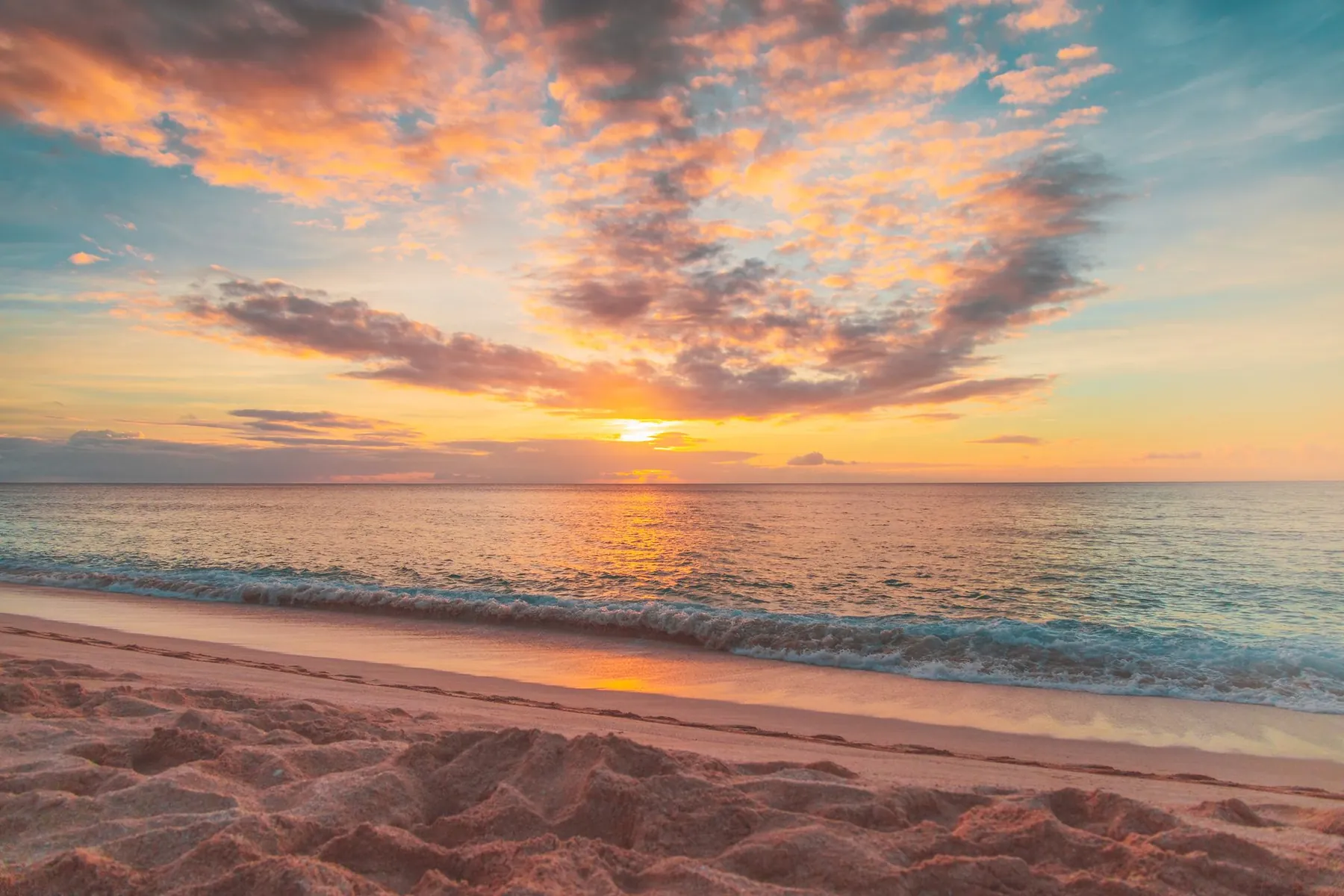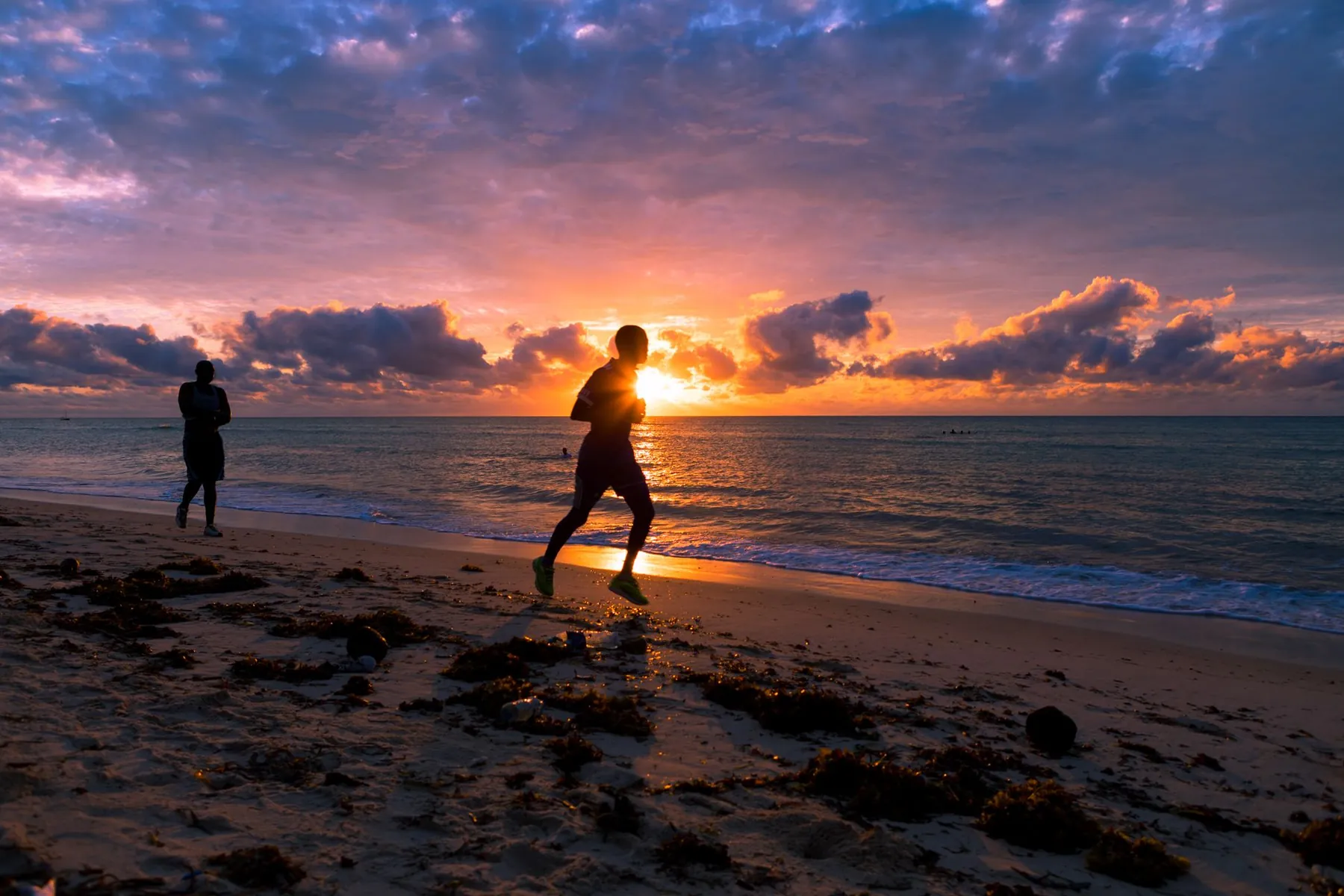
How to Stay in Shape on Your Big Island Vacation
Keoki's day of healthy habits on the Kohala Coast: an early beach walk or ocean swim, island fruit, a midday rest, resort spa and yoga classes, and a herb bath.

A lei is a garland of flowers, leaves, nuts or shells, and giving one is among the oldest gestures of aloha. A guest author tells how she learned about graduation leis the hard way, followed by other gifts from the islands.
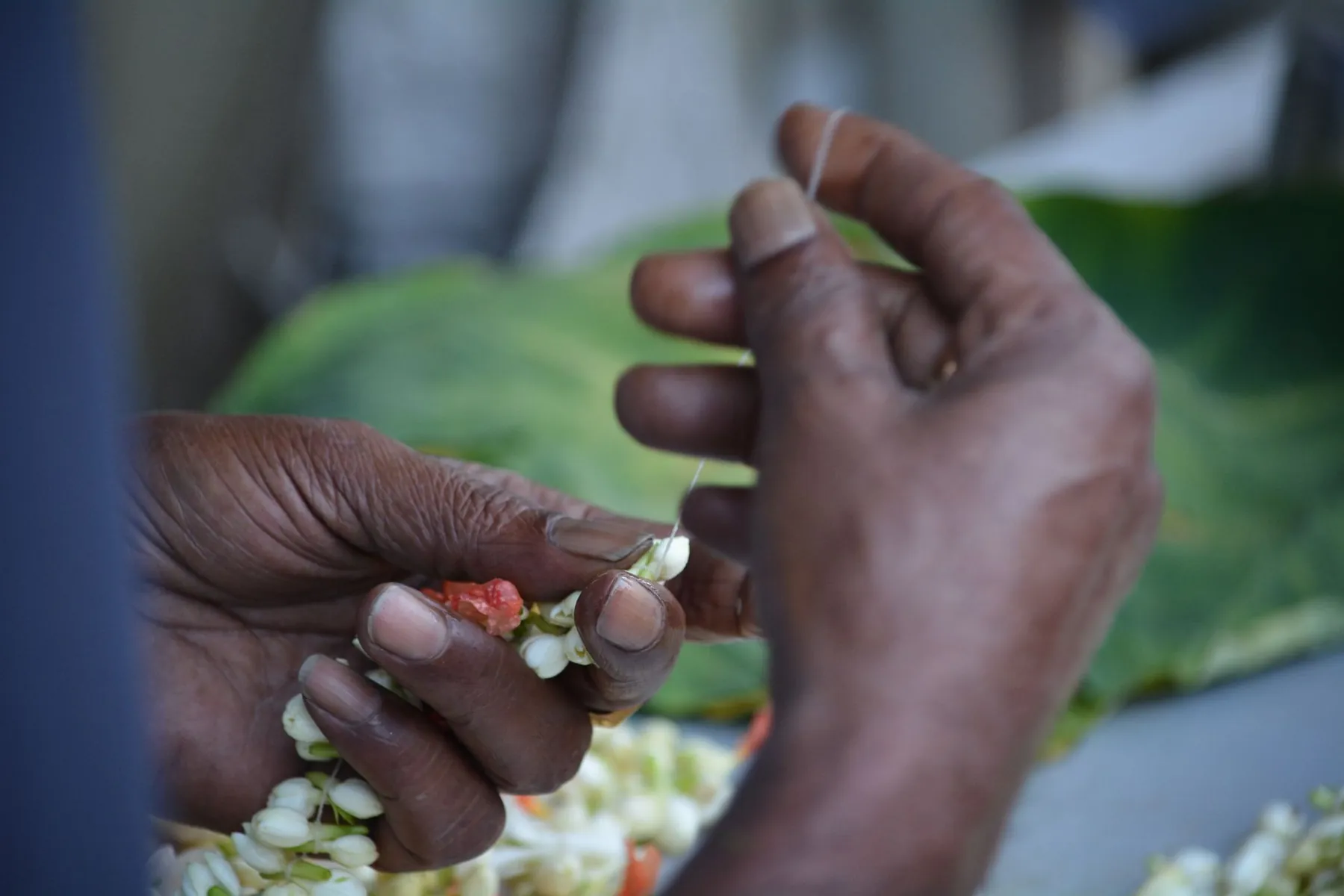
Hawaiian leis have long been a part of the culture and tradition of the Polynesian people. Exotic, colorful leis were made from island flowers, leaves and other natural items such as shells, feathers and twigs, intertwined. Leis have survived the passage of time and are still an important part of Polynesian culture, and many other cultures have embraced the spirit of aloha by continuing the tradition of wearing and giving them.
In the United States and many other countries, you can see bright, pretty Hawaiian leis at luaus, parties, weddings and the ever popular backyard barbecue.
The story below was sent to the guide by the co-owner of a company that sold Hawaiian leis. We have kept it in her own voice, because the lesson in it is a good one for any mainland family.
A growing trend in the United States is the giving of leis to high school and college graduates, to wear with their caps and gowns at the graduation ceremony. Does the average high school or college parent know about this new tradition? Am I the only parent in the dark?
My one and only daughter graduated from high school, and when I arrived at her graduation I was so surprised to see a colorful myriad of Hawaiian leis gracefully draped over the shoulders of the graduates. The caps and gowns were black, so the leis stood out and added such visual beauty to the outfit.
I found my daughter and breathed a sigh of relief to see her wearing 2 leis, which I later learned were given to her by a family friend. Yep, here I am, co-owner of a company that sells absolutely beautiful Hawaiian leis, and I didn’t know anything about the graduation lei tradition.
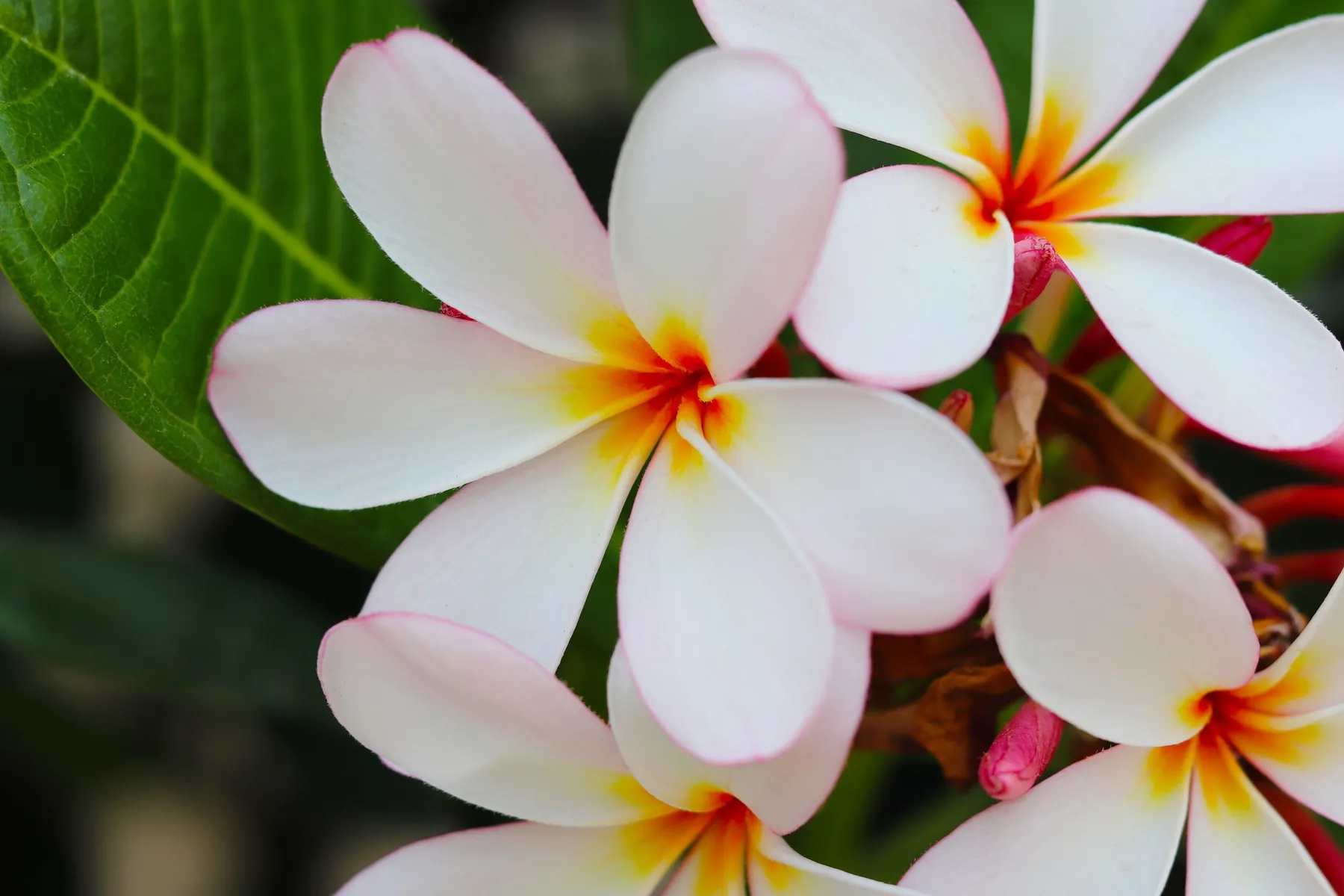
I was so grateful to my friend for giving my daughter the leis. My daughter came up to me afterwards and asked why I hadn’t brought her some. She was expecting lots of them from me. She had even told her friends that her Mom would be bringing lots of leis, and that she would share them with the few students whose parents didn’t realize that getting leis at graduation is a symbol of “future luck”.
I decided there and then to reach out to other parents, aunts, uncles and family friends, so that they would be aware of this tradition and prepared for it. So if you know someone who is graduating, or you are attending a luau, a party or a backyard barbecue, be sure to bring a lei, and give them a little piece of aloha and good luck at the same time.
On the islands the lei needs no special occasion. The guide’s gift pages called the flower lei a “symbol of love from Hawaii”, and visitors could arrange a lei greeting on arrival at the airport. Leis and fresh tropical flowers were also shipped directly from Hawaii to the mainland.
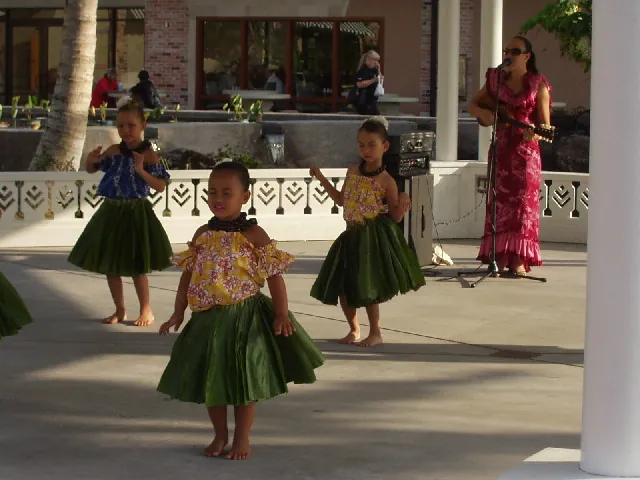
Leis belong to the same world as hula and the luau. If you want to see them worn as they are meant to be, look at our pages on the Big Island hula festival and on Kohala Coast weddings, and the short glossary of Hawaiian words will give you lei, pua (flower) and aloha in one sitting.
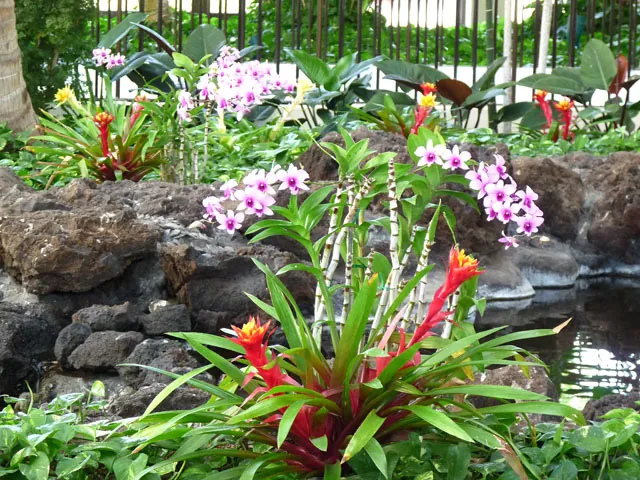
A fresh lei is not the only thing visitors send or carry home. For years the guide kept a page of Hawaiian gifts. The shops and offers on it have long since changed, but the categories still describe what people carry home from the Big Island.
Pure Kona coffee headed the list. The guide named Bay View Farm in Kona, the Holualoa Kona Coffee Company, which at the time offered a coffee tour and tasting and had been recommended in the guidebooks “Hawaii The Big Island Revealed” and “Frommer’s Hawaii”, and Waimea Coffee Company, with its estate grown coffees from Hawaii.
Hawaiian grown macadamia nuts were the other edible standby. The guide’s listing came from South Kona.
Hawaiian shirts, dresses and children’s aloha wear were listed under the heading “Hawaiian Shirts, Aloha Shirts”.
Assortments of fresh tropical flowers and Hawaiian gift baskets were sent from the islands by the same kinds of growers who shipped leis.
The jewelry listed was 14K gold and silver Hawaiian jewelry and Tahitian black pearl jewelry.
Fine art photography prints of wildlife, scenery and hula by Big Island photographer Victoria McCormick were on the list, along with Hawaiian music. More about her work, and about artist Kathy Long, is on our Hawaii art page.
One item was the guide’s own: a DVD in which Keoki, one of the editors, leads 30 minutes of full body stretches and 10 minutes of guided relaxation to the sound of gentle ocean waves. His advice for the vacation itself is in How to stay in shape on your Big Island vacation.
For where to look for gifts in person, see Kohala Coast shopping.
According to the article, leis were made from island flowers, leaves and other natural items such as shells, feathers and twigs, intertwined. The guide's Hawaiian word list defines a lei as a garland of flowers, leaves, nuts or shells.
The author describes a growing custom of giving leis to high school and college graduates to wear with their caps and gowns. Her daughter explained that receiving leis at graduation is a symbol of future luck, so a lei carries both aloha and good wishes.
The guide's gift page listed 100% Kona coffee, aloha shirts and dresses, fresh tropical flowers and gift baskets, Hawaiian jewelry in gold, silver and Tahitian black pearl, Hawaiian grown macadamia nuts, Hawaiian music, and fine art photography of wildlife, scenery and hula.
Keoki's day of healthy habits on the Kohala Coast: an early beach walk or ocean swim, island fruit, a midday rest, resort spa and yoga classes, and a herb bath.
A resident's introduction for first-time visitors: why the dry, sunny Kohala Coast suits a first Big Island vacation, where people stay and what there is to do.
Hawaii heritage through music: Maoli No, the Nature Conservancy DVD of Hawaiian songs and chants about native plants and animals, and the call to malama 'aina.