Kohala Coast Restaurants and Luaus
Where the Kohala Coast ate in 2013-2014: resort dining rooms, the Kings' Shops and Queen's Marketplace, luaus, and local favorites in Kawaihae, Hawi and Waimea.

From a Kohala Coast base you can watch manta rays feed after dark, fly over a volcano, stand among the observatories on Mauna Kea and still be back on the beach for sunset. Here is the full list, sorted by kind.
There are no real limits to what you can do from the Kohala Coast, and much of it goes beyond the ordinary beach holiday. Within a short drive of the resorts and vacation homes you can take a helicopter flight over an active volcano, visit the famous observatories on Mauna Kea, snorkel, scuba dive or go deep sea fishing, play golf on championship courses, play tennis, ride horses, hike into Waipio or Pololu Valley, or simply boogie board and sunbathe on the best beaches of the island.
One caution before the list. What is close depends on where you stay. The Big Island earns its name, and activities vary according to the part of the island where you spend your vacation. This page combines our general activities list with the guide’s separate pages on ocean life and on activities across the Hawaiian islands. Tour operators are named as they were in 2013 and 2014.
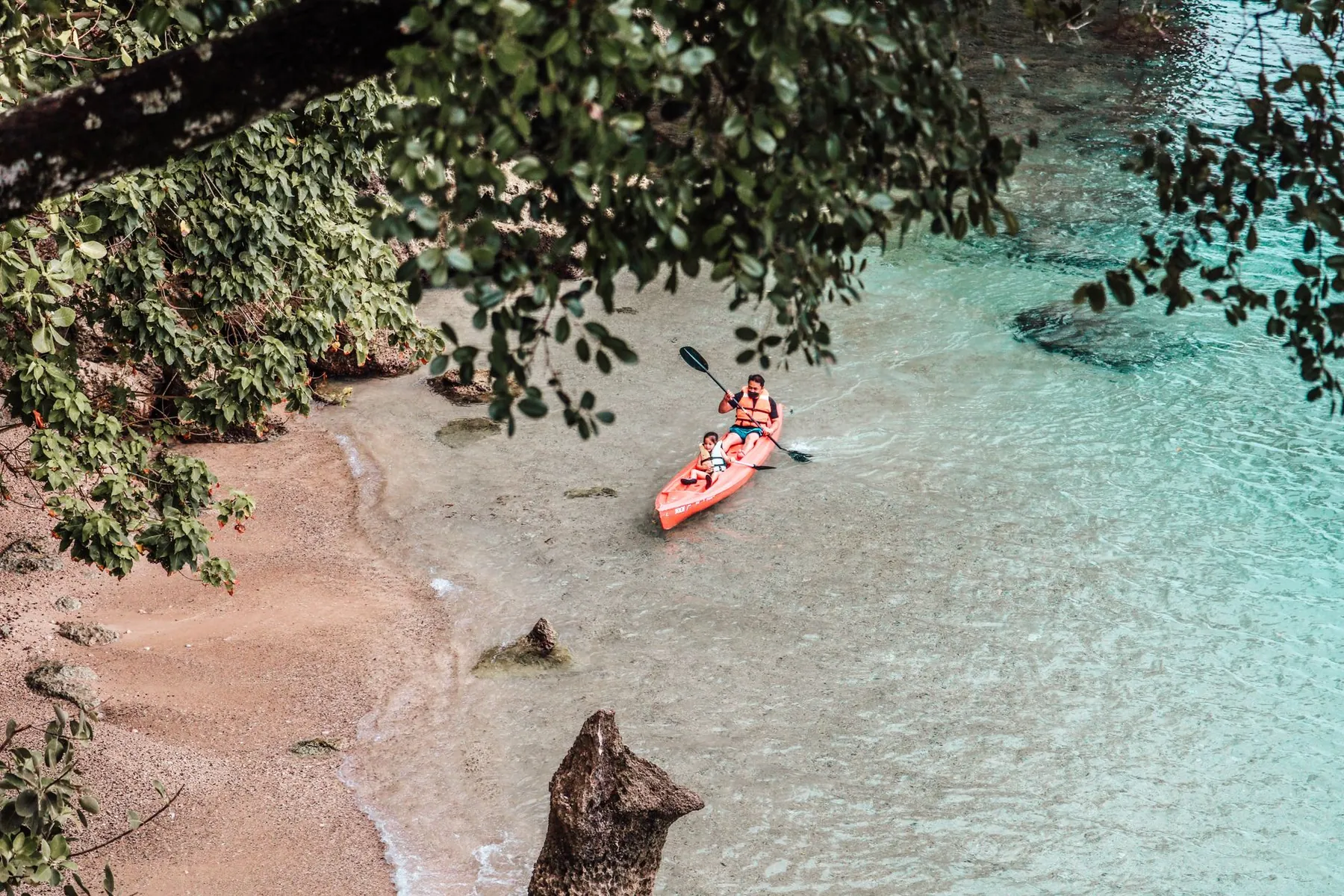
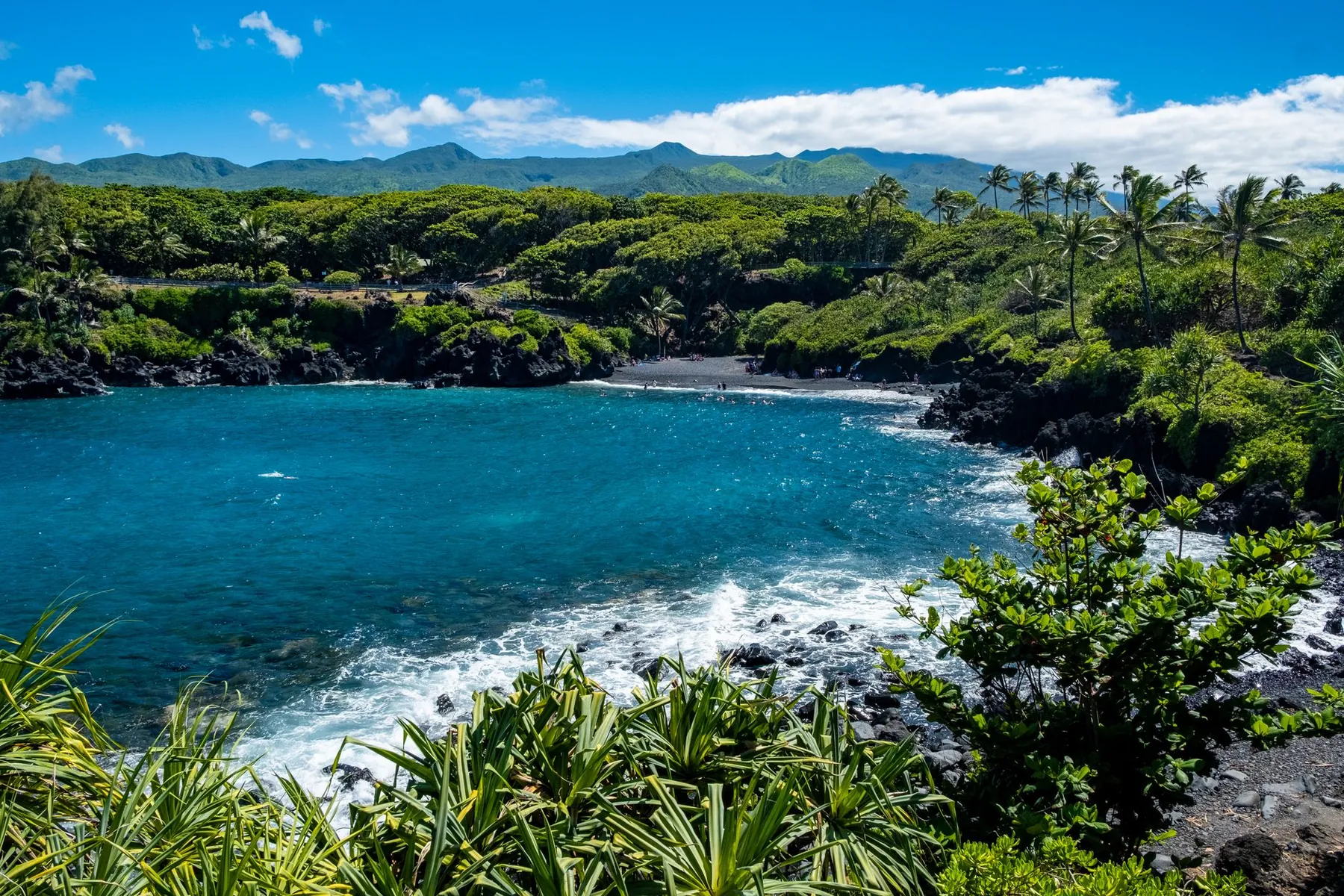
The Kohala Coast beaches are made for swimming, snorkeling, boogie boarding and sunbathing, and snorkelers regularly meet turtles, eagle rays and now and then wild dolphins. Each beach is described on the beaches page. One small tip: when you walk Mauna Kea Beach, take in the full panorama, hotel end and public end both.
On the Kohala Coast, Kohala Divers worked out of the Kawaihae shopping center, 10 to 15 minutes north of the major resorts: the Waikoloa Marriott, the Hilton Waikoloa, Mauna Lani, the Fairmont Orchid, Mauna Kea and the Hapuna Prince. They offered tours and equipment for scuba, snorkeling and kayaking. On the Kona side, Big Island Divers had been established since 1984, and Ocean Eco Tours taught diving and surfing with instructors who were lifeguards trained in CPR and first aid.
Sportfishing boats ran from Kawaihae Harbor on the Kohala Coast; Kohala Coast Charters fished these waters aboard a boat named Patience. Kona, to the south, is the famous big game port. Deep sea fishing off the Kona coast is, as the charter captains like to say, highly addictive: you may not be able to stop after your first blue marlin.
Kayaks could be rented or taken on guided trips along both coasts, often combined with snorkeling and a hike. The Kona Boys ran a small, laid-back, island style kayak, surf and dive shop above Kealakekua Bay. That bay, Hawaii’s finest marine preserve and the site of Captain Cook’s Monument, was also the destination of Captain Zodiac, a rafting company established in 1974.
Boats left from A-Bay at Waikoloa for snorkel, scuba and sunset trips. For something more private, the sailboat Maile was available for charter on the Kohala Coast.
The Hilton Waikoloa Village is home to Dolphin Quest, an interactive dolphin program. It is great fun to visit for the whole family.
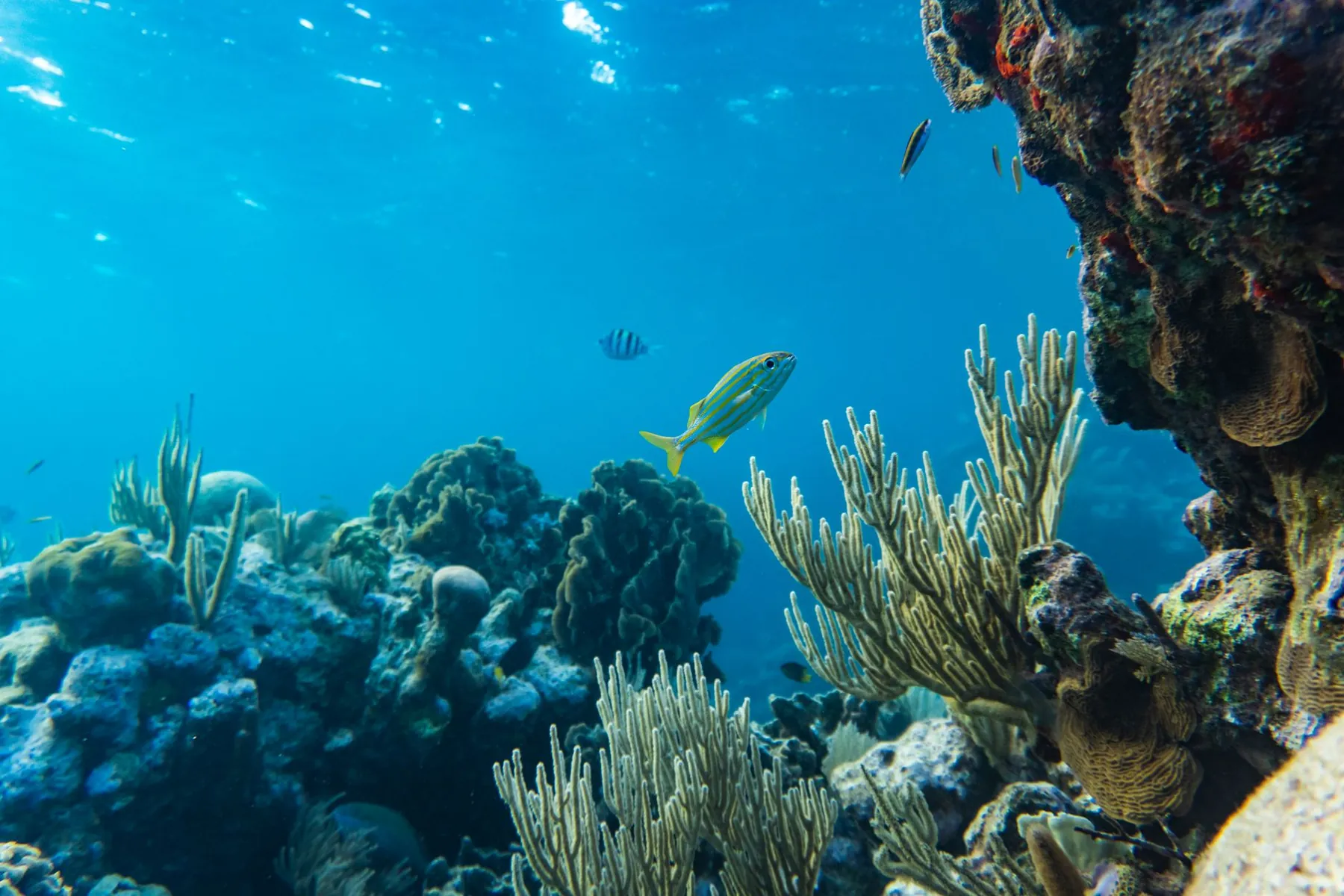
The Kohala Coast has an abundance of tropical ocean life, and you can meet it first hand with a mask and snorkel off almost any beach. But visitors who are uneasy in the ocean are not left out. Several resorts made a point of helping people learn about Hawaiian sea life from dry land.
At the Hualalai resort, south of the Kohala Coast and closer to Kona, guests and visitors could view and feed the very shy spotted eagle rays at the ray lagoon. It took place daily in the afternoons.
A free show, and one of the best on the island. The Mauna Kea Beach Hotel has a Manta Ray Lookout. At night a spotlight is turned on the water. The light attracts plankton, and with luck the manta rays arrive for dinner and perform their graceful ballet as they scoop up the tiny creatures. Tiki torches light the path to the lookout. Go after dark, which is the best time for viewing.
The Mauna Lani Bay Hotel ran a morning fish tour, on Tuesdays, Thursdays and Saturdays when the guide was written. A guide feeds the fish and explains what you are seeing: sting rays, baby sharks, jack fish, sea turtles, even baby turtles in one of the ponds. You also hear how the ancient Hawaiians lived in this area. You and your kids will love it.
Afterward, walk on toward the Mauna Lani Beach Club, a small white sand lagoon with plenty of tropical fish and, sometimes, a shy eagle ray. On the way, stop at the ancient Hawaiian fish pond. Benches sit in a peaceful spot between coconut palms and Hawaiian noni trees. Be patient and you will spot a good number of fish, plus eels and puffer fish. The whole walk is on the hiking page.
The Kohala Coast has miles of shoreline to walk, and on a beach walk you will see sea turtles sunning themselves in many places.
The shoreline offers plenty of chances to watch humpback whales in the winter months, December to March. Your odds of a close view are better on a boat that goes out to where the whales are breaching, but you may be surprised how near they come to land. In season you can see whales from all the beaches, and from the road between Kawaihae Harbor and Hawi in North Kohala. Take binoculars on every outing along the coast. And a local rule of thumb: when you see people standing by the road pointing at the ocean, pull over. It is almost a guarantee of humpbacks breaching and playing offshore.
More on the animals themselves is on the Hawaii ocean life page.
Flights over an active volcano and over the remote valleys of the Big Island were offered by several helicopter companies, and a major heliport is a short drive from all the main Kohala Coast resorts, Waikoloa, Mauna Lani and Mauna Kea. Blue Hawaiian Helicopters flew tours of the Kohala coast, its valleys and waterfalls, which many consider the most spectacular scenery on the island, as well as flights over Hawaii Volcanoes National Park. Safari Helicopters, flying A-Star aircraft, had more than thirty years in the business.
Waipio Valley on the Hamakua Coast and Pololu Valley in North Kohala are a hiker’s dream. A guided tour takes you to waterfalls and valleys you would not find, or would not be allowed to visit, on your own. Waipio can also be explored on horseback, by wagon or by van. Routes and cautions are on the hiking page.
Ride in the Kohala hills or on Parker Ranch. Outfitters in the historic Kohala Mountains offered horseback riding, mountain biking and hiking tours with views down over the coast. Parker Ranch itself is worth a visit, and so is a Hawaiian rodeo if one is on during your stay. Cyclists could tour the island with Kona Coast Cycling Tours, whose philosophy was that the best way to experience the sights, sounds, smells and textures of a new land is from the seat of a bicycle.
Golfers have the championship courses of the coast, described on the golf page, with still more courses around the island. Tennis and beach volleyball round out the list for the energetic.
Pua Mau Place sits on the western slope of the Kohala Mountains, above the Pacific. Pua mau means “ever blooming” in Hawaiian. The garden had a growing collection of plants, each one marked, with a booklet of names and descriptions provided. Bring a lunch, sit at the picnic tables under the trees, and take in the ocean and mountain views. The Visitors Center, with a deck looking over garden and sea, was used for receptions, seminars and lectures.
Walk to ancient fish ponds, sacred Hawaiian sites and petroglyph fields along the coast. Pu’ukohola Heiau, built by King Kamehameha at Kawaihae next to Spencer Beach Park, is well worth a visit for anyone who wants to learn about Hawaiian history where it happened.
Go stargazing at the visitor center on Mauna Kea, where guided tours were offered, or continue to the summit at 13,796 feet. You could drive to the summit on your own, provided you had a 4-wheel drive vehicle from a rental company that allowed the Saddle Road and the summit road, were in good health, and the summit weather conditions were acceptable. See Mauna Kea observatories.
Drive from the Kohala Coast to Hawaii Volcanoes National Park. Anybody who visits the Big Island has to see it: an active volcano, steadily oozing, with Madame Pele putting on her show of fire. Next to the park, Volcano Winery offered tours and tastings of Hawaiian wines made nowhere else. Details are on the Hawaii Volcanoes National Park page.
The Big Island attractions page covers these in more depth, and Big Island events lists what happens when.
Our guide also kept a short page for visitors continuing to Oahu, Maui, Kauai, Lanai or Molokai. The categories are the same everywhere in Hawaii:
A few island specifics from that page. On Kauai, tours included kayaking, sport fishing, snorkeling, helicopter flights, coast tours and ziplines, with trips to Niihau and the Na Pali coast. On Maui, snorkel boats and dive tours went to Molokini crater, with whale watching trips from December to March and sunset cruises in the evening. On Oahu, marine-biologist led wildlife trips looked for whales, dolphins and turtles, and sportfishing charters out of Haleiwa on the North Shore went after blue marlin, wahoo, mahimahi and yellowfin tuna.
At the Manta Ray Lookout of the Mauna Kea Beach Hotel. At night a spotlight is directed at the ocean. The light attracts plankton, and the manta rays show up to feed on it. Night is the best time for viewing, and tiki torches light the way.
Humpback whales are seen during the winter months, December to March. In season you can see them from all the beaches and from the road between Kawaihae Harbor and Hawi in North Kohala. Boat trips improve the chances of a close look. Bring binoculars.
Yes. The guide pointed to the ray lagoon at the Four Seasons Hualalai, the fish tour and ancient fish ponds at the Mauna Lani Bay Hotel, the Manta Ray Lookout at Mauna Kea, and sea turtles sunning along the shoreline.
Where the Kohala Coast ate in 2013-2014: resort dining rooms, the Kings' Shops and Queen's Marketplace, luaus, and local favorites in Kawaihae, Hawi and Waimea.
A seven-day Kohala Coast itinerary from one base: beach days, North Kohala and Pololu, the volcano via Hilo, the City of Refuge, Kailua-Kona and Mauna Kea.
Hula shows, farmers markets, races and winter festivals on the Kona-Kohala side of the Big Island, as our calendar and news page listed them in 2014.