Hawaii and the Dominican Republic: two island drives compared
Both drive on the right and both reward a rental car. Roads, tolls, signs, night driving and car pick-up on the Big Island and around Punta Cana, side by side.

The Big Island teaches a simple rule about rental classes: a small car for nearly everything and a separate answer for one hard road. Punta Cana has no summit road, but it has a longer list of classes and a few rough last miles of its own.
Count the Jeeps in any resort car park at Waikoloa. Then count the ones with dust above the wheel arches. Most Big Island visitors who pay for four-wheel drive spend the whole week on good pavement. A smaller group does the opposite, takes the cheapest two-door on the lot and finds out near Kawaihae what a crosswind does to it.
Car class is the rental decision people make fastest and live with longest. This page works through it twice: first for the island this site knows, then for Punta Cana, where the list of classes is longer.
The Big Island gives a clean lesson because its roads fall into two groups with almost nothing in between.
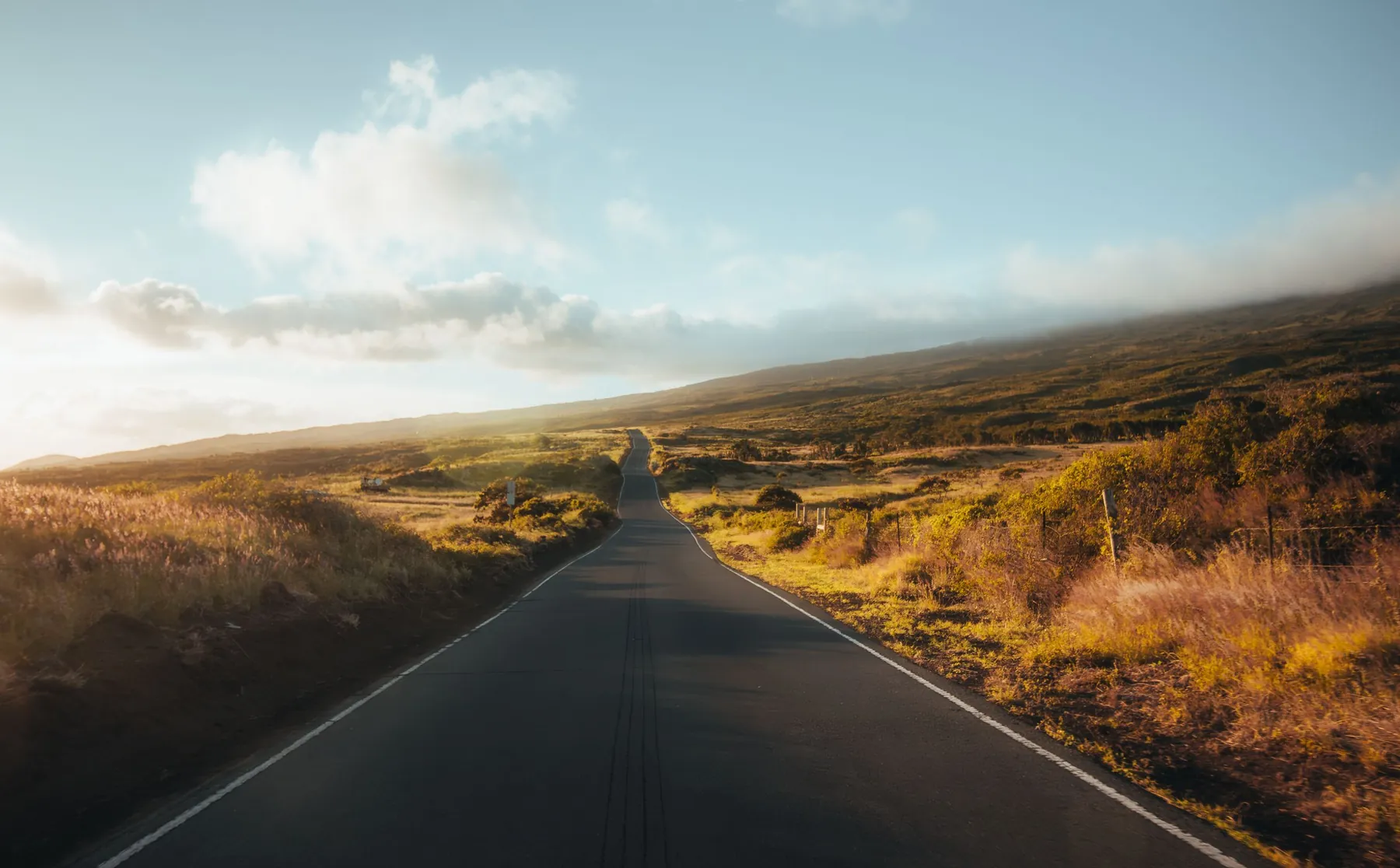
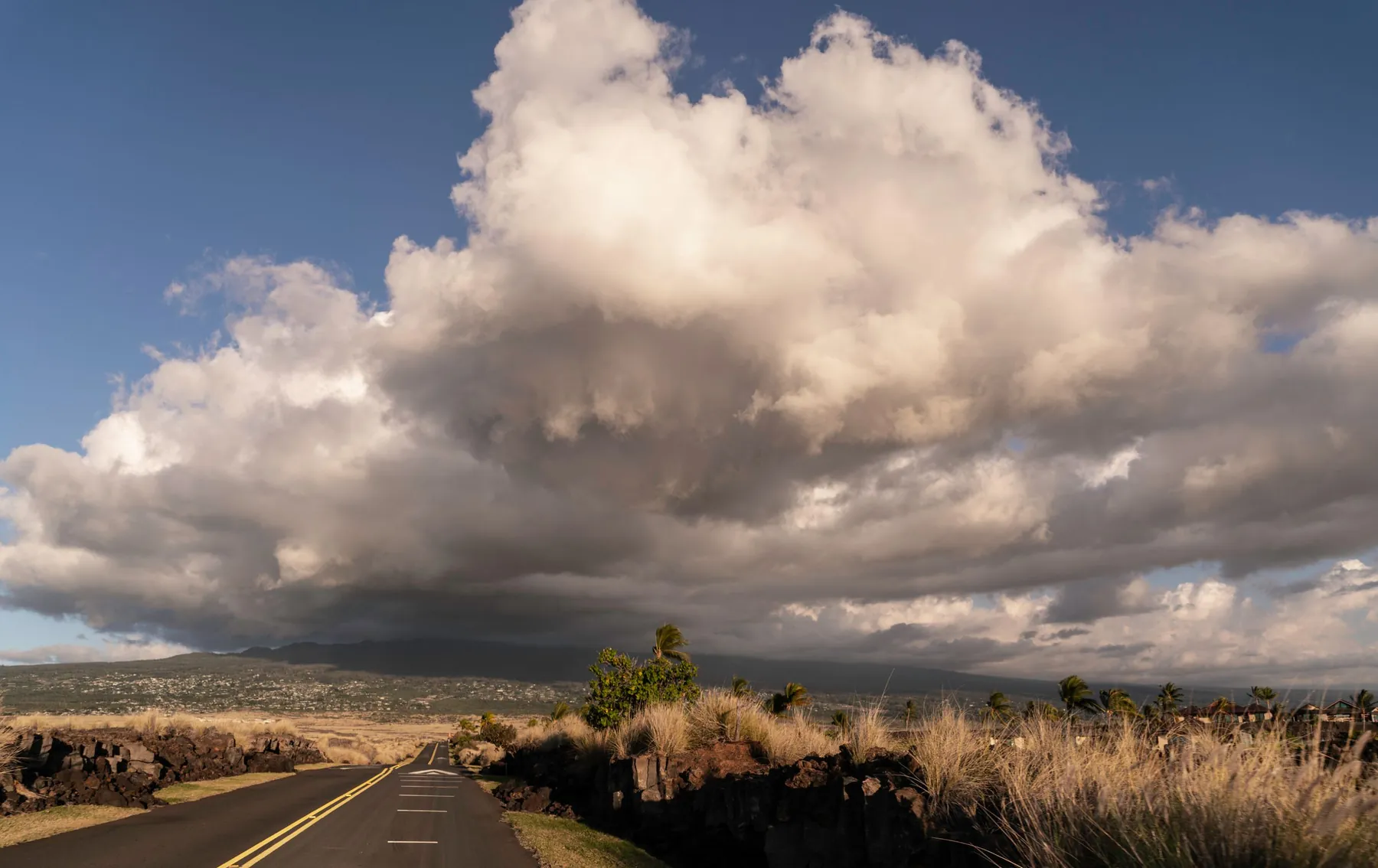
The first group is everything paved, which is nearly everything. The Queen Ka’ahumanu Highway along the resort coast, the climb to Waimea, the road north to Hawi, Saddle Road across the middle, the long run to the volcano. A compact or an ordinary sedan handles all of it. The side roads down to the sand described on our beaches page are paved as well. What a small car costs you here is comfort, not access: more noise at highway speed, less room for the cooler, a firmer hand on the wheel when the wind comes across the lava.
The second group is short and specific. Above the visitor station on Mauna Kea, at 9,200 feet, the road turns to steep gravel. Four-wheel drive with a low range is required up there, rangers stop vehicles to check for it, and they want drivers to come down in low gear so the brakes survive the descent. Many rental contracts rule that road out whatever you are driving, a point our archived Big Island car rental page made in its day and our Mauna Kea observatories page still explains.
So the Kohala rule is this. Rent for the roads you will drive on most days, and give the one hard road its own answer: a summit tour, or a vehicle and a contract that are both allowed up there. Paying for a 4WD all week in order to use it for three hours is the classic mistake.
Two smaller lessons come with it. A convertible sounds better than it feels at noon on a lava coast with the sun straight overhead, and it is a pleasure at five in the afternoon. And the family with two children, snorkel bags, a cooler and golf clubs needs the minivan, however little anyone wants to be seen in one.
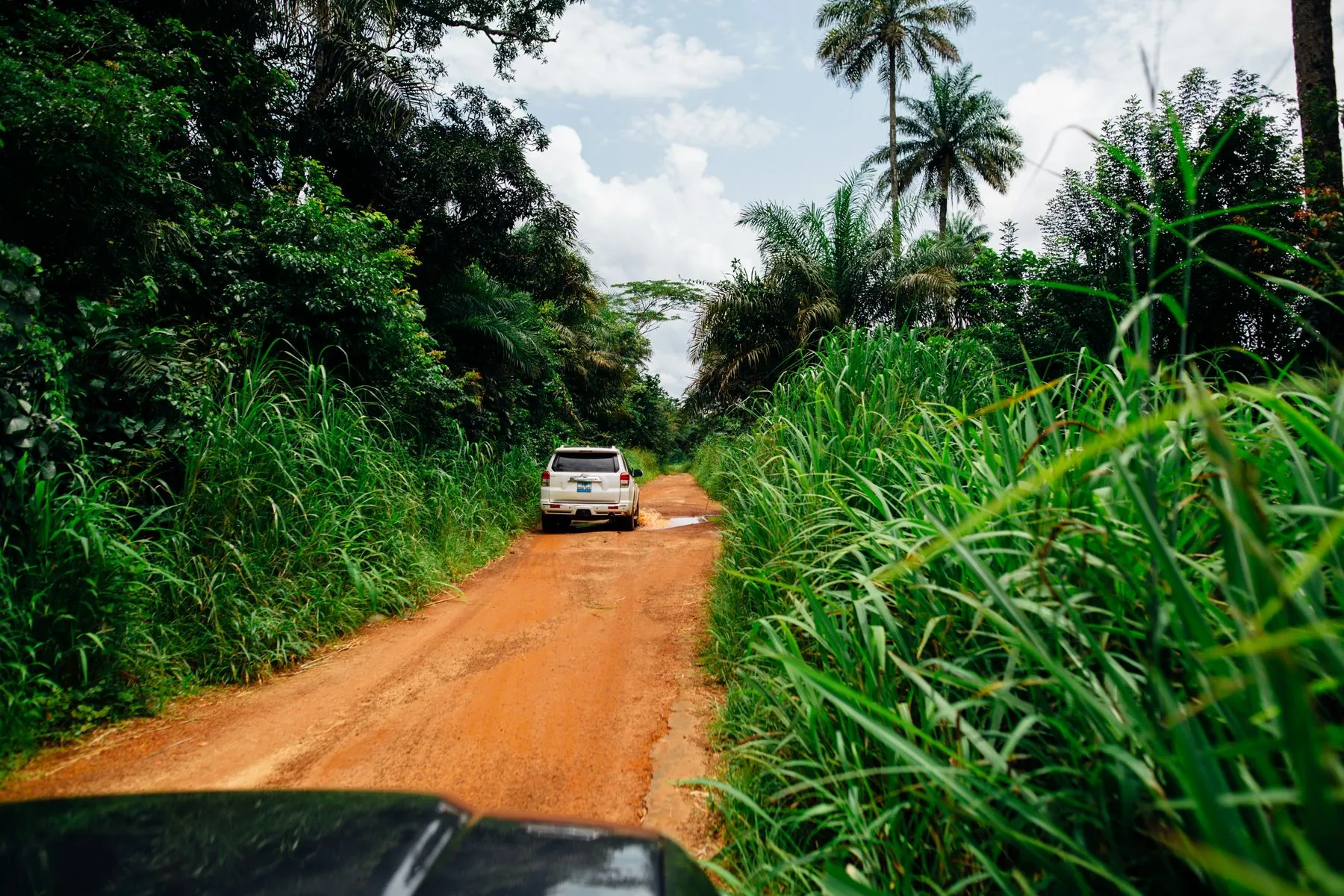
Punta Cana has no Mauna Kea. The eastern tip of the Dominican Republic is low and flat, with no summit road and no altitude to plan for. Its roads come in three kinds.
The first is the fast kind: the Boulevard Turistico del Este between the airport, Bavaro and Macao, and the toll highway heading west. Any car is at home there.
The second is town driving in Bavaro and around the hotel gates. The surface is fine and the company is dense. Motorcycles pass on both sides, minibuses stop where a passenger asks, and speed bumps appear with or without paint. A small car with good visibility is an advantage here, not a compromise.
The third is the last stretch. The access road to Macao beach has been rebuilt and asphalted in recent years, but the parking areas and the tracks that continue along the shore are sand. Further north, around Uvero Alto, the main road is paved while the side roads to villas, smaller hotels and quieter pieces of beach can be dirt: rutted when dry, soft and full of puddles after a night of rain.
That third kind is the Punta Cana version of the Mauna Kea question, in a much milder form. Nobody needs low range. What helps is ground clearance, tyres with some sidewall and a suspension that forgives the pothole you saw too late.
The choice is also wider than at home. A typical Punta Cana car rental fleet runs to nine classes: compacts, sedans, SUVs, minivans, convertibles, sport cars, electric cars, ATVs and buggies, and scooters. The first four have exact Big Island equivalents. The rest need more thought than they usually get.
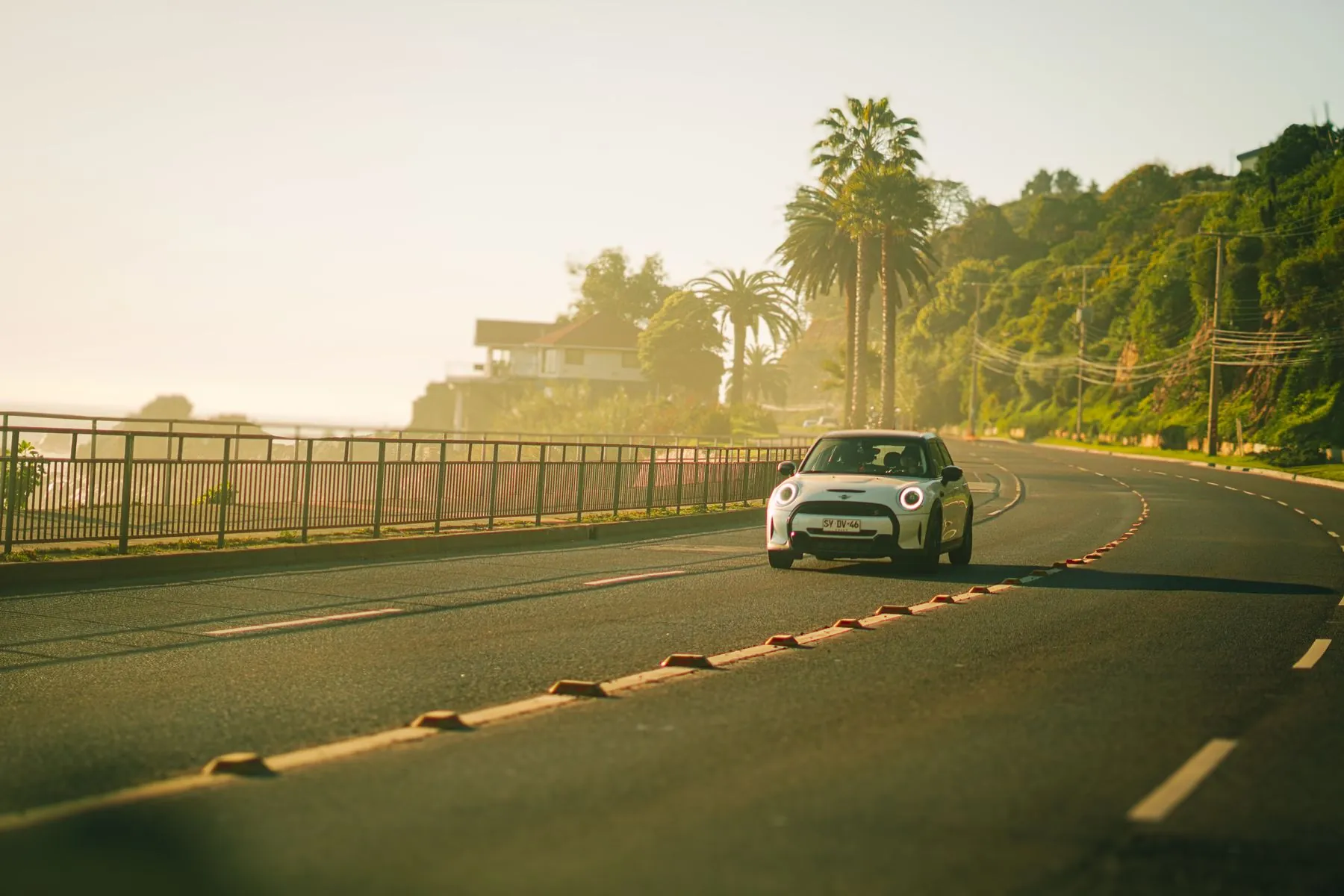
This is the Bavaro car. If the week consists of the hotel, the shops and restaurants along the main avenues, a morning at Macao by the paved road and one day out on the highway, a compact does all of it. Two adults and two suitcases is its real limit. Treat it as the same choice you would make for the Queen K.
A compact with a proper trunk and more calm at highway speed. Choose it if a long day on the toll road is in the plan, or if there are three or four of you with ordinary luggage. The closed trunk matters more than people expect, because bags that cannot be seen are bags nobody thinks about in a beach car park.
Take it for the third kind of road. A villa at Uvero Alto that sits off the main road, a plan to follow the sand track at Macao past the first parking area, a wish to look at the emptier beaches further up the coast: those are SUV plans. Two checks before you pay for one. First, find out whether the car is four-wheel drive or simply tall. Many rental SUVs are front-wheel-drive crossovers, which are fine for ruts and speed bumps and no help at all in soft sand. Second, ask before you leave pavement. Local contracts commonly require approval for unpaved roads, and driving onto the beach itself is the quickest way to lose both the waiver and the afternoon.
This one translates from Kohala without change. Two families sharing, grandparents along, child seats, a week of luggage for five or six people: one minivan beats two small cars. The price is width in Bavaro traffic, which you stop noticing on the second day.
The Caribbean side is more humid than Kohala and its showers arrive faster. A convertible is at its best early and late, on the boulevard or the smooth roads inside Cap Cana, and a closed car with air conditioning is better at midday. The trunk shrinks, a soft top is no place to leave a bag, and unpainted speed bumps are hard on anything low. That last point counts double for sport cars. Rent either for a day or two as a treat. As the only car of a family week, both disappoint.
Quiet and cheap to run, and well matched to the short hops of a hotel-zone holiday, provided charging is solved before you sign. Public fast chargers in the area are still few. Most charging happens at hotels and private residences, and not every charger is open to people who are not guests. Ask your hotel whether it has a working charger you may use, and ask the rental company what charge level the car should come back with.
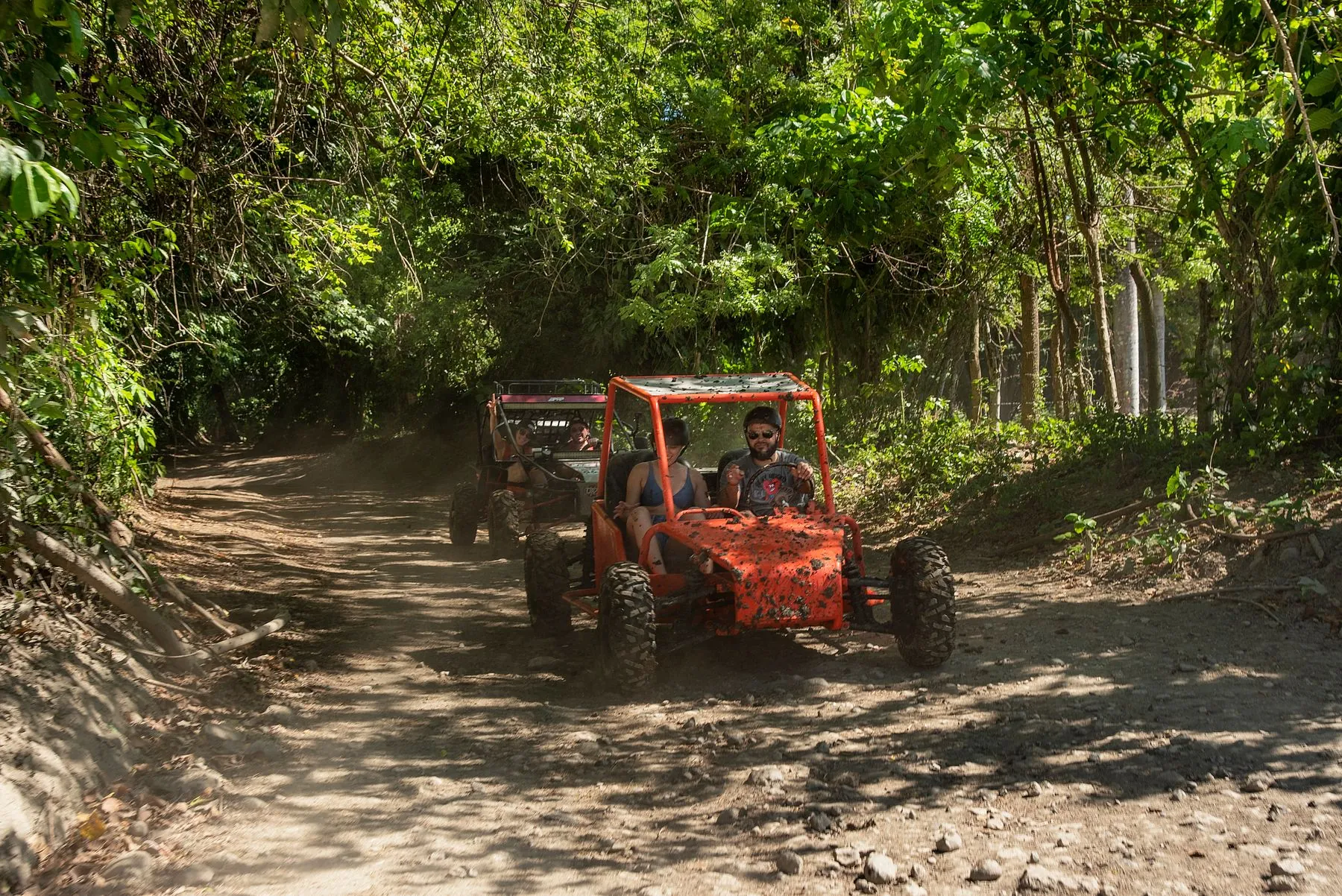
No counter at Kona airport offers these, so Big Island drivers arrive with no instincts about them.
The appeal of a scooter is obvious: cheap, parks anywhere, wind in your shirt. The figures point the other way. By most counts motorcyclists account for around six in ten road deaths in the Dominican Republic. The law requires a helmet for rider and passenger, and you will see that rule ignored all day long.
If you ride at home, hold a motorcycle licence and plan short daytime trips inside a resort community or a quiet neighbourhood, a scooter can make sense. Wear the helmet, and read your travel medical policy first, because many exclude two-wheelers or demand the right licence. If you have never ridden, a holiday is the wrong place to learn.
ATVs and buggies are a different case. Most visitors meet them on guided excursions, on set dirt tracks with a guide in front, and that is the setting they are built for. As daily transport they are slow, open to dust, sun and rain, have nowhere to lock anything and feel very small on a fast boulevard among trucks. Before renting one to get around, ask three questions:
If the answers are vague, book the guided ride for the fun and keep a car for the week.
| Class | On the Big Island | Around Punta Cana |
|---|---|---|
| Compact | Enough for the Queen K, Waimea, Hawi and every paved beach road; light in a crosswind | Bavaro, the hotel zone, the paved road to Macao; easiest to park |
| Sedan | Long paved days to Hilo or the volcano | Toll highway days; three or four people with luggage |
| SUV or 4WD | True 4WD with low range matters only above the Mauna Kea visitor station, where many contracts forbid it anyway | Clearance for rutted side roads at Uvero Alto and sand tracks at Macao; ask before leaving pavement |
| Minivan | Families with snorkel gear, coolers and golf bags | Families or two couples with a week of luggage and child seats |
| Convertible | Good early and late, hot at midday on the lava coast | The same, plus quick showers and unpainted speed bumps |
| Sport | Sold as fun, held to island speed limits | A day on smooth roads; too low for the rest |
| Electric | Workable with planning, since the days are long | Short hops; settle charging with the hotel first |
| ATV or buggy | Tour vehicles, not rental-counter transport | At their best on guided tracks; doubtful as daily transport |
| Scooter | Rare on the resort coast, where the highway is fast and windy | The highest risk on the list; experienced riders only |
Fuel first. Hawaii’s gasoline is among the most expensive in the United States, the pumps are self-service and a card does everything. The class you chose shows up at the pump, because a day to the volcano and back is a long one.
In the Dominican Republic an attendant fills the car. Fuel is sold by the gallon and priced in pesos, and the government sets the prices week by week, so there is no reason to drive around looking for a cheaper station. Know which fuel your rental takes before you pull in: regular or premium gasoline, or gasoil, which is diesel. Say it clearly, glance at the pump to see it start from zero, and pay in pesos or by card. Stations are frequent on the main roads and thin out quickly beyond them.
Parking works in opposite ways. On the Kohala coast it is cheap or free and rationed: the public lots at resort beaches have a limited number of spaces, and Hapuna charges visitors from outside Hawaii to park. Around Punta Cana space is seldom the problem. Hotels have their own parking and the plazas in Bavaro have lots. At public beaches such as Macao, expect someone to wave you into a spot and to hope for a small tip, so keep a few small peso notes in the door pocket.
One rule holds on both islands: leave nothing on show. For that purpose the classes rank themselves. A closed trunk beats a hatchback with a view, which beats a soft top, which beats a scooter seat.
Answer those and the class usually picks itself. In Punta Cana the ordinary days call for a compact or a sedan more often than visitors expect, and the hard road is seldom hard enough to need more than a tall crossover and a question asked first.
A compact. The boulevard from the airport, the avenues of Bavaro and the access road to Macao beach are paved, distances are short and parking is easier with a small car. Move up to a sedan if you are three or four people with luggage or plan a long day on the toll highway.
Not for the main roads, which are paved. Ground clearance helps on the sand tracks that run along Macao beach beyond the first parking area and on unpaved side roads to villas and smaller hotels around Uvero Alto, especially after rain. A tall crossover is usually enough. Ask the rental company before you leave pavement, because many contracts require approval for unpaved roads.
For a day or two, yes. It is pleasant early in the morning and late in the afternoon on smooth roads. At midday the sun and humidity argue for a closed car with air conditioning, showers arrive quickly, the trunk is small and a soft top is a poor place to leave anything. It works better as a second treat than as the only car of a family week.
Think twice. Motorcyclists make up well over half of road deaths in the Dominican Republic, and a visitor on a scooter rides in the same traffic without local practice. Experienced, licensed riders can use one for short daytime trips with a helmet, after checking that their travel insurance covers it. ATVs and buggies suit guided dirt tracks far better than daily transport on public roads.
Hawaii is self-service and you pay at the pump by card. In the Dominican Republic an attendant fills the car, fuel is sold by the gallon and priced in pesos, and the government sets prices week by week, so stations do not compete on price. Know which fuel your rental takes before you pull in: regular or premium gasoline, or gasoil, which is diesel.
The road above the Mauna Kea visitor station at 9,200 feet. It is steep and unpaved, four-wheel drive with low range is required, rangers check vehicles, and many rental contracts exclude it whatever you drive. Nearly every other road a visitor uses on the island is paved and fine in a compact car.
Both drive on the right and both reward a rental car. Roads, tolls, signs, night driving and car pick-up on the Big Island and around Punta Cana, side by side.
Waivers, deposits, forbidden roads and the walk-around: what a Kona rental teaches, and how the same questions change when you rent in the Dominican Republic.
A working method for island driving holidays: one base, day trips timed in hours, floating weather days. Tested on the Big Island and applied to the Dominican east.