Kohala Coast Hiking: Beach Trails, Waipio Valley and Pololu Valley
Hikes from the Kohala Coast: the shoreline walk from Holoholokai Beach Park to Mauna Lani Beach Club, Waipio Valley on the Hamakua Coast, and Pololu Valley.

Ask any Big Island visitor their first question and it is always the same: where are the beaches? On the Kohala Coast the answer is a string of white sand bays, each with a different character.
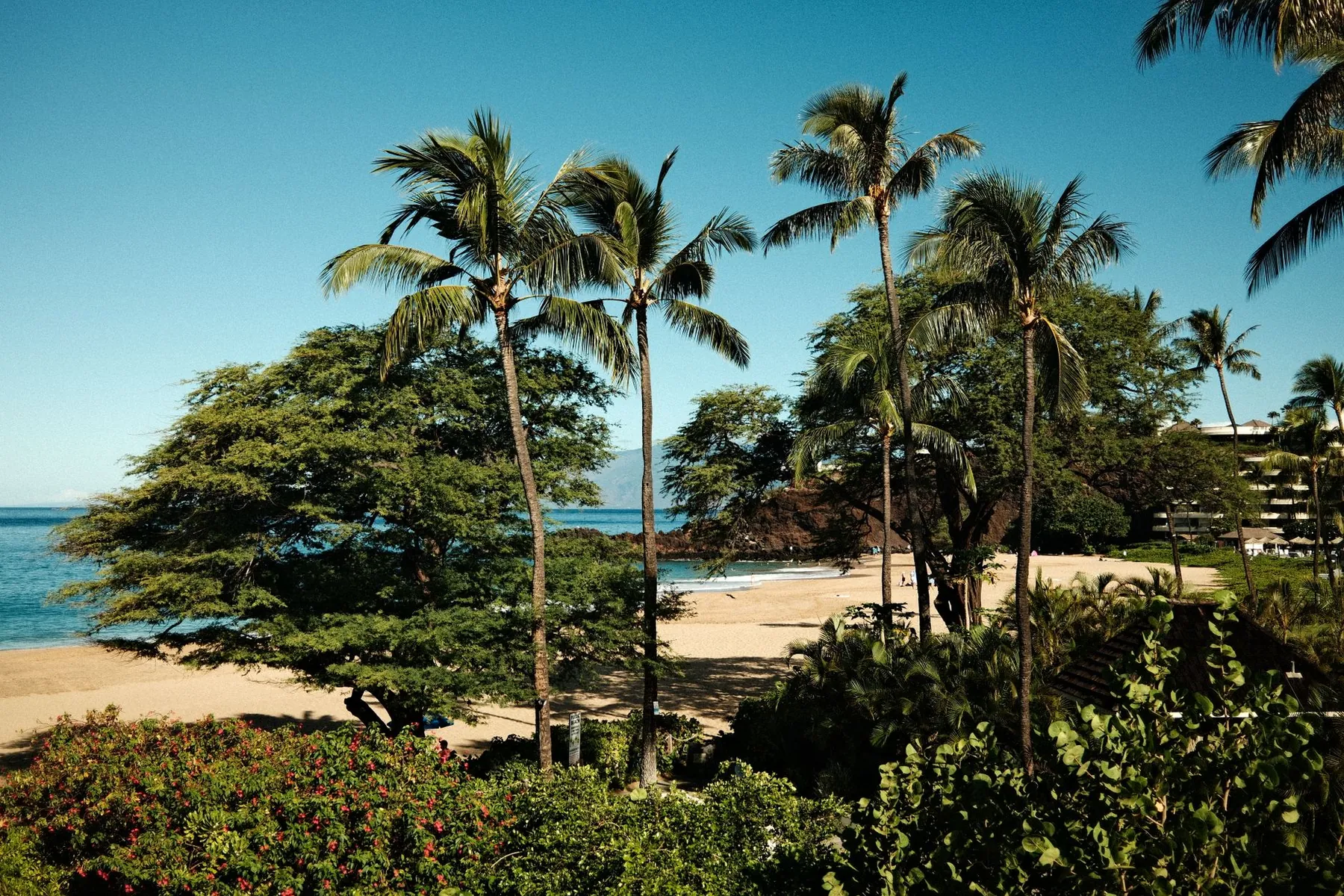
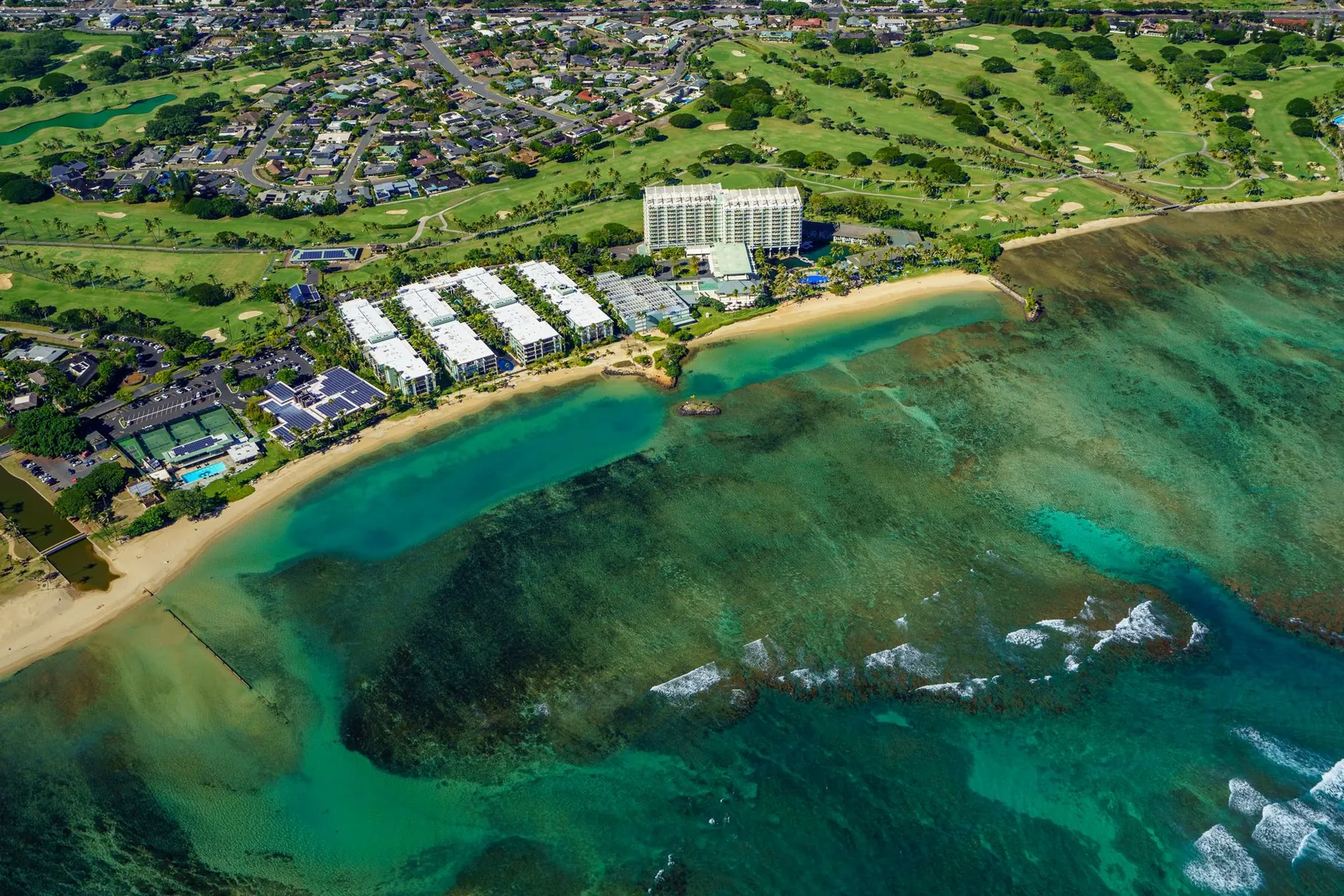
Residents and visitors agree on this one. The Kohala Coast has the island’s long stretches of white sand, and it has the most stable sunny weather all year round. That combination, plus the golf courses, is why the big oceanfront resorts were built here: the Four Seasons, the Mauna Lani Bay Hotel, the Fairmont Orchid, the Hapuna Beach Prince Hotel and the Mauna Kea Beach Hotel.
Which beach suits you depends on what you want from the day. Spencer Beach Park is the one for families with small children. Kauna’oa (Mauna Kea Beach) has a public part that is never crowded and sits apart from the hotel end, so you need not mingle with the hotel crowd. Hapuna Beach State Park is the big one. All three have showers and restrooms. Mauna Kea and Hapuna have both been ranked among the best beaches in the world by Conde Nast magazine. Then there are Wailea Bay in Puako and Anaeho’omalu Beach, which locals call A-Bay.
Below, the beaches run in the order most visitors look for them. You can place each one on the Kohala Coast map.
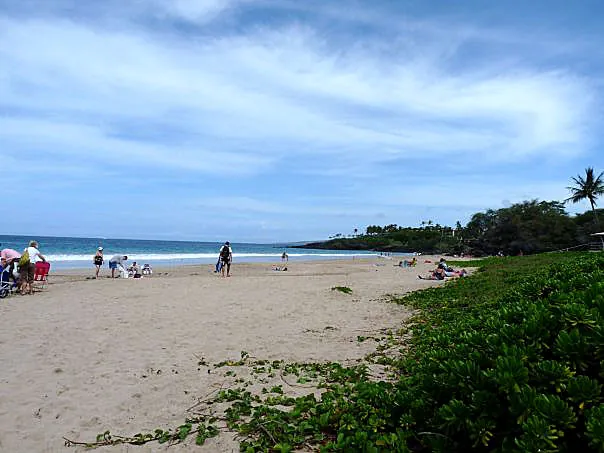
About 2 miles south of Kawaihae Harbor. Kauna’oa, better known as Mauna Kea Beach, has been voted one of the top beaches worldwide by Conde Nast magazine. It lies on the property of the Mauna Kea Beach Hotel, and public access is by way of a beach pass obtained at the entrance. Get there early to be assured of a pass. Otherwise hop over to Hapuna next door.
The beach is a quarter-mile crescent of white sand. Depending on conditions it offers swimming, snorkeling, boogie boarding and surfing. Food and drink are sold at the hotel’s Hau Tree cafe on the beach, though not cheaply, so bring a cooler if you plan to stay long. Outdoor showers and bathrooms at the public south end are maintained by the hotel. Walk the length of the beach at least once: the views take in both the hotel side and the public side, and the stroll from the Manta Ray Lookout down to the sand is a pleasure in itself. Sunsets here are worth staying for. And don’t forget the sunscreen.
About 3 miles south of Kawaihae Harbor, right beside Mauna Kea. Hapuna is one of the two best white sand beaches on the island, the other being its neighbor. Swimming, snorkeling, boogie boarding and surfing go on year-round, with one serious caution: dangerous rip tides can appear during periods of high surf.
Sunbathing and picnicking are possible nearly every day, thanks to sunshine and warm temperatures almost 360 days a year. There are restrooms and outdoor showers, and picnic areas with BBQ pits that make for an easy day. If you forgot food, a snack bar sells basic fare and drinks. From the sand you look south to Hualalai volcano, and on a clear day across the channel to Maui.
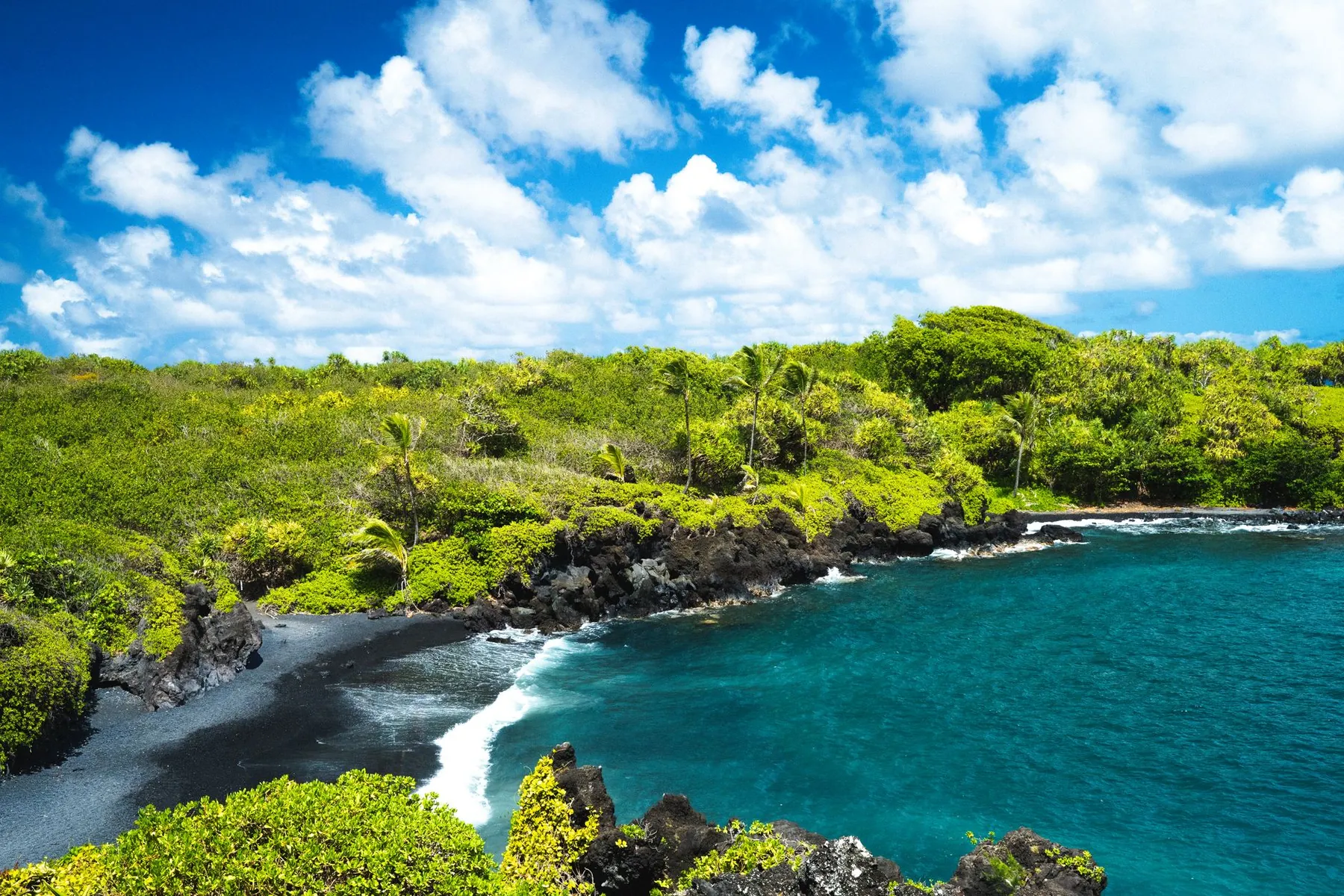
Next to Kawaihae village and its harbor. Because this bay is so well protected from big ocean waves, even in winter, it is the favorite beach of families with small children. Trees give shade where the kids play.
Local residents prefer Spencer for BBQs and family reunions. It has kept an old Hawaiian style atmosphere that the resort beaches do not have. Camping permits are available, which makes it a good base for Big Island beach camping. The heiau right beside the park draws visitors interested in Hawaii’s history and culture.
Named after electric pole 69, and no, that is not a joke. Wailea Bay is a more secluded beach, well known to residents and to return visitors to Puako, the tiny oceanfront village next to Hapuna. Access became easy once an asphalt parking lot went in, and there are restrooms.
The beach breaks into coves, some sunny and some shaded by trees. The south end is the place to snorkel, with green sea turtles and the occasional manta ray or eagle ray. Boogie boarders use the bay too.
Beyond Wailea Bay, Puako has many more beach accesses along Puako Drive. This is the dry side of the island. Puako gets less than 11 inches of rain per year, which has made the oceanfront there one of the most sought-after areas for Kohala Coast visitors.
One of the nicest white sand beaches at Mauna Lani. Guests of the Mauna Lani condos, such as The Islands, Mauna Lani Point and Mauna Lani Terrace, reach it from the road with their access card.
Everyone else can get there too, because every beach in Hawaii is public. Park at the public parking of the Mauna Lani Bay Hotel and walk left past the Mauna Lani fish ponds. It is an easy 10-minute walk. What you find is a crescent white sand lagoon with calm water and a great array of tropical fish, turtles and rays. Scuba and snorkeling were offered on site, and there are restrooms, outdoor showers and an oceanfront restaurant. Of all the beaches on this coast, it is the one that visitors most often miss.
A-Bay, at Waikoloa Beach Resort, is one of Kohala’s treasures. In the summer months this long, curving sandy beach is good for swimming and snorkeling. An ocean sports operator based on the bay offered snorkeling, kayaking, diving, whale watching, catamaran sailing and parasailing, and there is always the option of simply sitting on the sand. It works for the whole family. See the activities page for more on getting out on the water.
The shoreline along Highway 270 in North Kohala is rocky, but three parks there are worth knowing.
About 12 miles north of Kawaihae Harbor. Lapakahi is on the ocean, but it is not a beach park and not a recreation area. It is a Hawaiian cultural and educational resource, with lessons in Hawaiian history and archaeology, and a marine preserve to explore. The beautiful views come at no extra effort.
About 13 miles north of Kawaihae Harbor. Mahukona offers snorkeling, swimming, fishing and camping, with marvelous views of Maui and whale watching in season, December through March. There are showers, bathrooms and BBQ pits spread around the park. There is no sandy beach, but water access is safe. Drinking the tap water is not recommended. Camping and pavilion use are by permit.
About 14 miles north of Kawaihae Harbor. Kapa’a has coastline access that is usually calm, though the surf can occasionally turn rough, so watch the water for a while before you get in. Several BBQ pits, bathrooms and running water (again, not recommended for drinking). No sandy beach.
Most visitors who come for these beaches stay in one of four areas: the resort condos of the Kohala Coast, the oceanfront homes of Puako, private vacation homes along the coast, or upcountry in Waimea, a short drive up the hill. The hotels page covers the resorts themselves.
Spencer Beach Park, next to Kawaihae. It is very protected from big ocean waves, even in winter, and it has trees for shade. Local families use it for BBQs and reunions, and camping permits are available for this beach.
Kauna'oa, or Mauna Kea Beach, sits on the property of the Mauna Kea Beach Hotel. Public access is by a beach pass handed out at the entrance. Go early to be sure of a pass. If they are gone, Hapuna Beach is next door.
Beach 69 is Wailea Bay in Puako, the small oceanfront village next to Hapuna Beach. It was named after electric pole number 69. The south end is good for snorkeling, with green sea turtles and the occasional manta ray or eagle ray.
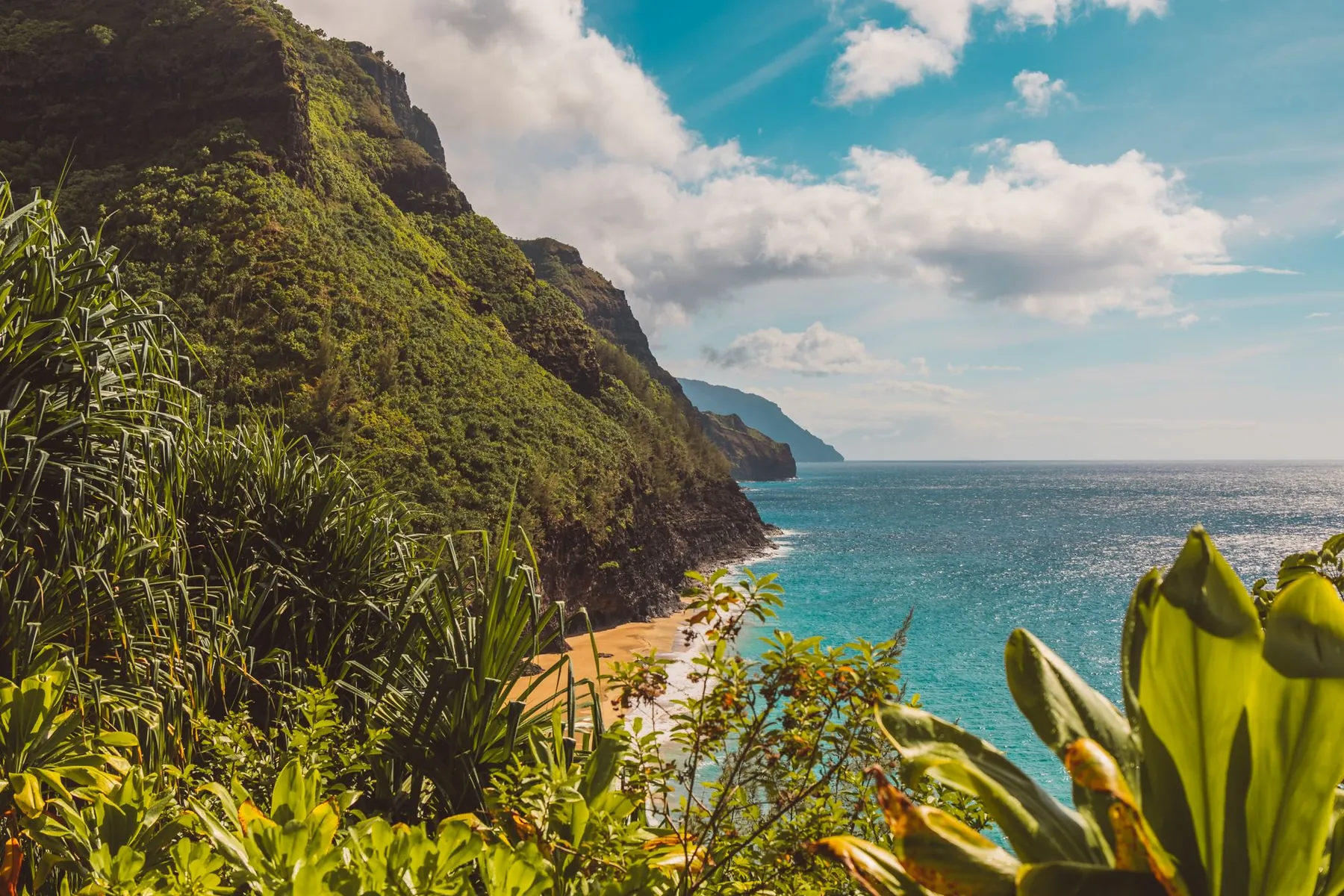
Hikes from the Kohala Coast: the shoreline walk from Holoholokai Beach Park to Mauna Lani Beach Club, Waipio Valley on the Hamakua Coast, and Pololu Valley.
A healing vacation on the Kohala Coast: therapeutic massage, the resort spas at Mauna Lani, the Fairmont Orchid, Mauna Kea and Waikoloa, and island wellness.
Golf on the Kohala Coast: Mauna Kea and its famous third hole, Hapuna, the two Mauna Lani courses, Waikoloa Beach and Kings', Waikoloa Village and upcountry.