Planning an island road trip, from the Kohala coast to anywhere with a coast road
A working method for island driving holidays: one base, day trips timed in hours, floating weather days. Tested on the Big Island and applied to the Dominican east.

A rental counter in Kona is the easiest place in the world to sign something you have not read. The habits you can afford to skip there are the ones you need most at a counter abroad.
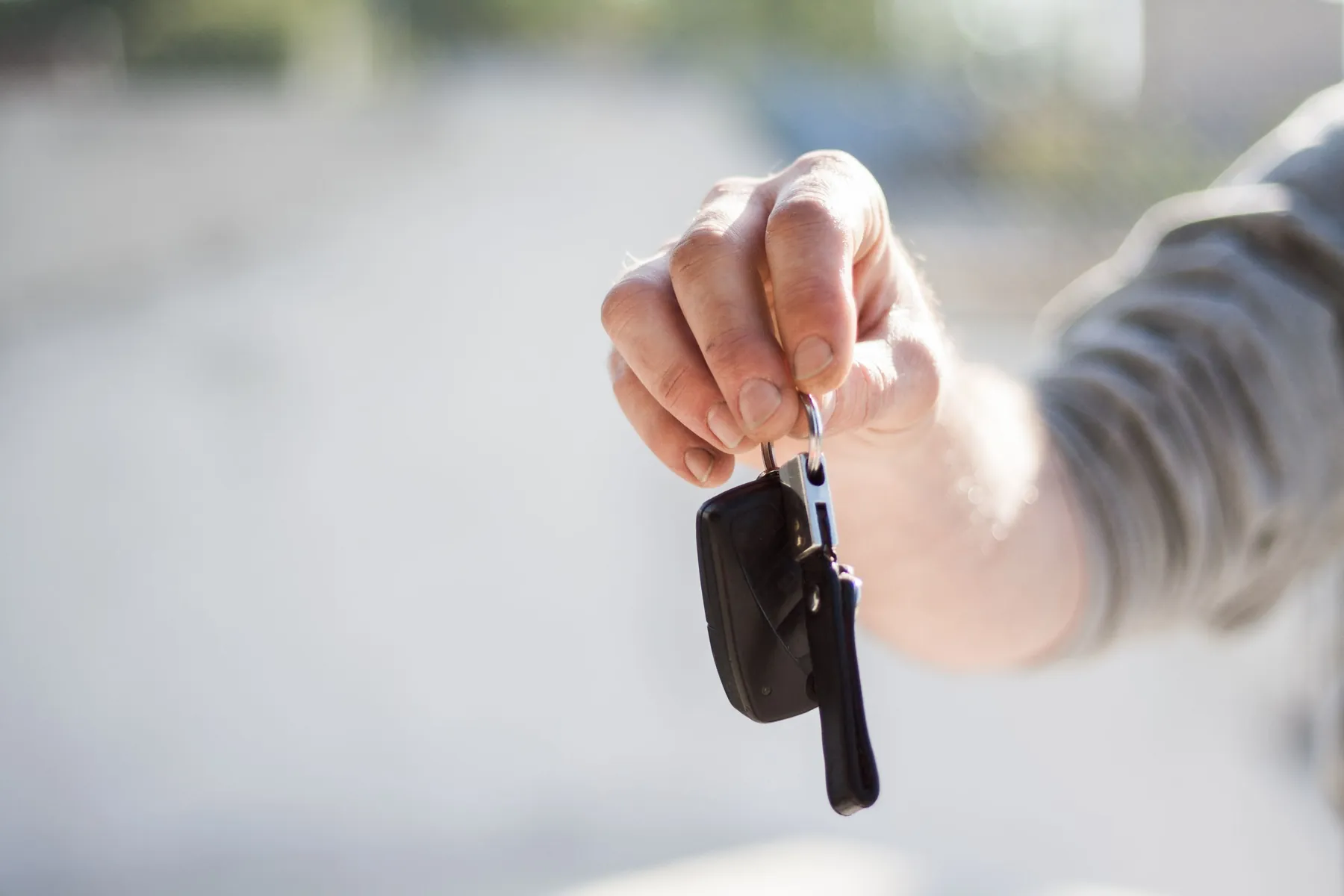
There is a moment at every rental counter when the agent turns a screen toward you and asks whether you would like the protection package. You have been awake for fourteen hours. Your bags are on a cart. You say no, or you say yes, and either way you could not explain afterward what you agreed to.
In Kona that moment costs most people nothing. The contract is in English, the law is American, and for many mainland drivers a personal policy or a card benefit really is standing quietly behind them. Which is exactly why the Big Island is a good place to learn what the questions mean, before you face the same screen in a country where none of that is true.
What follows is six questions. Each one has an easy answer in Hawaii and a harder one abroad. For the harder answers I use the Dominican Republic, since it is where many readers of this site take their other island holiday.
Rental cover comes in layers, and the names are nearly the same everywhere.
| Term | What it is | What to ask |
|---|---|---|
| Third-party liability | Pays for damage or injury you cause to other people and their property | What is the limit? Is it included in the rate? |
| CDW, collision damage waiver | The company limits what it charges you for damage to its car | What is the deductible? What is excluded? |
| SCDW, super waiver | Cuts the CDW deductible, often to zero | Does it still leave out glass and tyres? |
| Theft protection | Limits what you owe if the car is stolen | Is it part of the CDW or separate? |
| Glass, tyres, underside | Often a separate add-on | Is it worth it on the roads I will drive? |
| Deductible, or excess | The part of any damage you pay yourself | Is it a fixed sum or a share of the car’s value? |
| Security deposit | A hold on your card for the length of the rental | How much, and when is it released? |
Two points in that table do most of the work. A waiver is not insurance. It is a contract term in which the rental company agrees not to pursue you for the full cost, and it comes with its own exclusions. And the deposit follows the deductible: the more risk you keep, the more money the company parks on your card.
In Hawaii the liability layer is simple. It is a no-fault state, rental companies must provide the state minimum liability cover with the car, and the law requires that any damage waiver be presented as optional and priced separately. The only real question is whether your own policy or card already does the job of the waiver.
Abroad the layers matter more, and it is worth reading one clear local example from top to bottom before you travel. A good one is a page that sets out rental car insurance in the Dominican Republic level by level. It shows a basic CDW that leaves a deductible and a larger deposit, an SCDW with no deductible and a smaller deposit that still does not cover glass or tyres, and separate add-ons for theft, for glass and mirrors, and for roadside help. It is one company’s version, but once you have read a list like that you can read any other.
At home many drivers decline the waiver because they believe their own auto policy or their card will pay. In Hawaii that belief is often correct, though few people have checked.
In another country it has to be checked. A personal policy written for the United States may stop at the border. Card benefits list excluded countries and vehicle types, usually require you to decline the rental company’s own waiver in full, and reimburse you later, after you have paid the local bill. Some rental companies abroad also state plainly that liability cover bought through a travel website or attached to a card is not accepted in place of theirs.
The Dominican Republic adds one local term to learn: seguro de ley. This is the compulsory third-party insurance that every vehicle must carry under the national insurance law, and a rental car will have it. Its minimum limits were set many years ago and are widely criticised inside the country as too low. It also does nothing for the rental car itself. So the question to ask is not whether the car is insured, because it is, but how high the liability limit is and what stands between you and the cost of the car.
Do this by email, a week before you fly. Ask your insurer and your card issuer what applies in the country you are visiting, and keep the replies on your phone.
Nobody thinks about the deposit in Kona, because for most US cardholders it is small and invisible. Abroad it can be the largest number in the whole transaction.
The logic is straightforward once you have seen the table above. With basic cover and a big deductible, the company holds an amount close to that deductible. With fuller cover, the hold shrinks. It sits on your card for the length of the rental and is released after the car has been returned and checked, and the bank can take days beyond that to show it. Some banks process a foreign hold as an actual charge followed by a refund, which can add currency fees.
Three practical consequences. Bring a credit card with room on it, in the main driver’s name, since many companies will not take a debit card for the hold. Do the sum for both cover levels, because paying more per day for fuller cover sometimes frees enough credit to be worth it on its own. And ask how and when the hold is released before you hand the card over.
This is the lesson the Big Island teaches better than anywhere. A rental agreement has a map inside it.
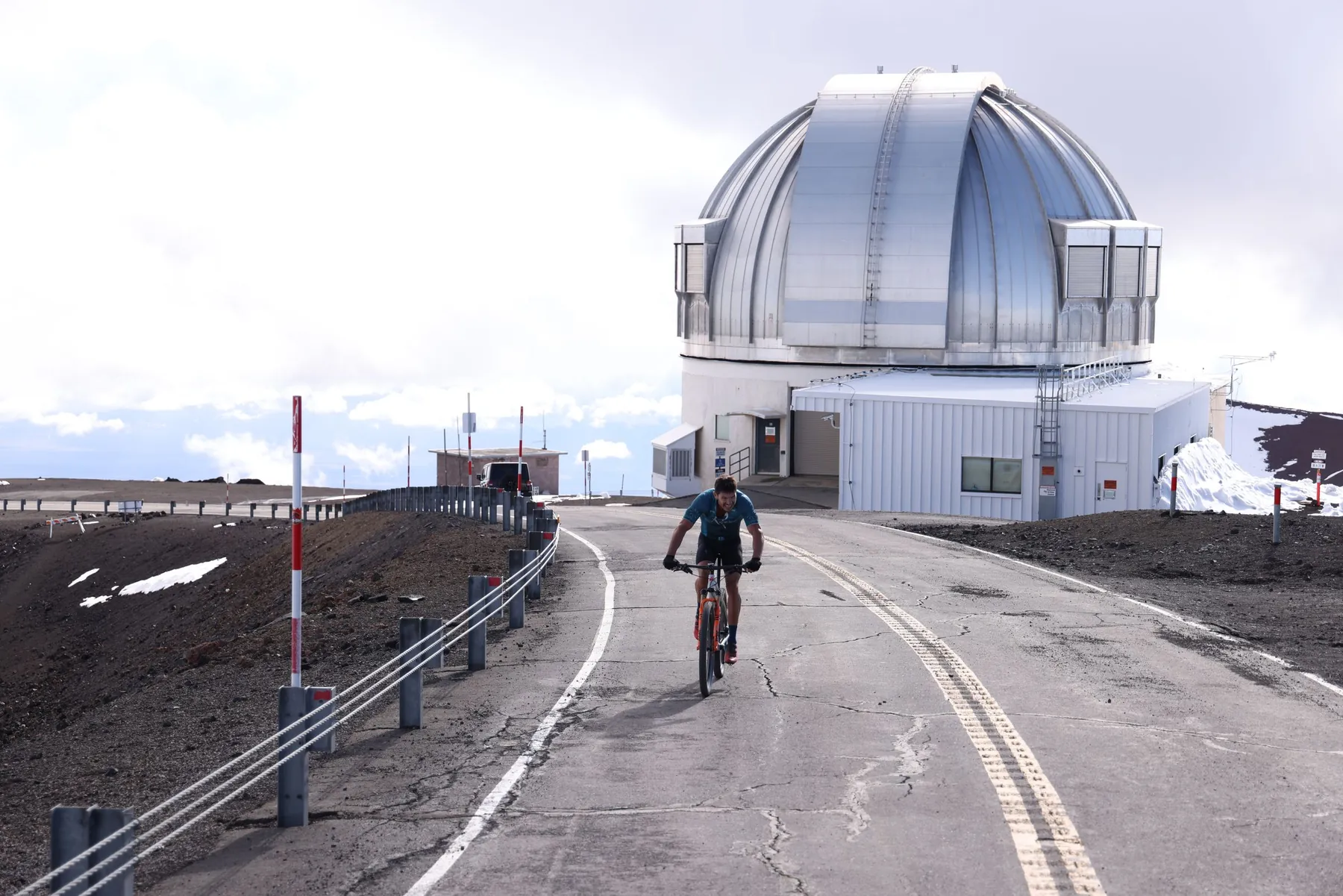
Our archived Big Island car rental page gave a whole section to the subject. In its day the famous forbidden road was Saddle Road, Highway 200. It has since been rebuilt as a modern highway and is generally permitted. The restrictions that remain are real ones. The road above the Mauna Kea visitor station at 9,200 feet turns to steep gravel, requires four-wheel drive and is ruled out by many rental contracts whatever you are driving; our Mauna Kea observatories page covers the alternatives. The road down into Waipio Valley has been closed to visitors’ vehicles since early 2022, although the lookout at the top is open. The track to the green sand beach near South Point was never a place for a rental.
Drive on an excluded road and the waiver you paid for may not apply, which turns a tow and a repair into a personal debt.
The habit to take abroad is one direct question before you sign: where may I not take this car? In the Dominican Republic the usual answers are unpaved roads, beaches and river fords. The toll highways and main roads are not the concern. The concern is the last two kilometres to a quiet beach, which may be sand or mud depending on last night’s rain.
Match the car to the plan as well. Most Big Island days need an ordinary sedan, and so do most days around Punta Cana. Pay for ground clearance only if a specific road on your list requires it.
The old rental page on this site ends one paragraph with a line I still quote: you are visiting an island, and the supply of rental cars has its limits, even on one this large.
A mainland city can borrow cars from the next city. An island cannot. When the fleet is out, it is out, and the last cars cost the most. On the Big Island the pinch comes at Christmas, New Year and during the Ironman week in October. In the Dominican Republic the dry season from December to April is the busy time. Book the car when you book the flights, and choose a rate you can cancel.
Where you collect it deserves a thought too. Kona and Hilo work on the airport pattern, with a counter and a shuttle. In resort areas abroad, local companies often bring the car to the hotel or meet you outside arrivals. That makes it easy to follow the advice in our seven-day vacation plan, which treats arrival day as a day for luggage and sleep and nothing else. It also means the handover takes place in a car park with nobody watching, which brings up the last question.
Take ten minutes. Use this list every time, at home or abroad.
None of this is particular to one country. It goes unpractised in Hawaii because so little goes wrong there, and then the same relaxed habits travel to a place where the language, the law and the roads are less familiar.
Some things only arrive with the stamp in your passport. In the Dominican Republic the speed signs are in kilometres per hour and the road signs in Spanish. The main highways charge tolls, and the booths are happiest with cash in pesos. Motorcycles are everywhere in town. Driving between towns after dark is something visitors are advised to avoid. Rental companies will want to see your passport with your licence, and a home licence is accepted only for a limited tourist stay.
The foundation, though, is the one you can lay in a single week on the Big Island. Know which layer of cover is which. Know whose policy you are relying on. Know how much of your card will be held. Know where the contract says you may not go. Book early. Walk round the car. Six habits, all of them free, and they work at every counter you will ever stand at.
No. A collision damage waiver, or CDW, is the rental company agreeing to limit what it will charge you if the car is damaged. It normally leaves a deductible that you still owe, and it often leaves out glass, tyres and the underside of the car. A super waiver, or SCDW, reduces that deductible, often to zero.
Do not assume so. A personal policy written for the United States may not apply in another country, and card benefits come with excluded countries, vehicle types and conditions. Ask both in writing before you travel. Some rental companies abroad will not accept outside cover in place of their own compulsory liability insurance.
It is the compulsory third-party liability insurance that every motor vehicle in the country must carry by law. It pays for damage or injury you cause to other people, up to minimum limits that are widely considered low. It does not pay for damage to the rental car itself.
Saddle Road is paved and generally allowed today. The road above the Mauna Kea visitor station requires four-wheel drive and is restricted by many rental contracts. The road into Waipio Valley has been closed to visitors' vehicles since 2022. Always read the current contract.
Because it is sized to the deductible, not to the rental price. If you take basic cover with a large deductible, the company holds a similar amount on your card. Fuller cover usually means a smaller hold. The hold reduces your available credit for the whole trip and a while after.
Early, and earliest of all for Christmas, New Year and Easter. An island has a fixed fleet and cannot bring in cars from the next city when demand jumps. That is true in Kona in late December and in Punta Cana during its December to April high season.
A working method for island driving holidays: one base, day trips timed in hours, floating weather days. Tested on the Big Island and applied to the Dominican east.
A dry lava coast facing west and a long palm shore facing east. Seasons, beach access, parking, seaweed and day trips on the Kohala coast and around Punta Cana.
Compact for the Queen K, 4WD for Mauna Kea: how the Big Island way of choosing a rental class translates to Bavaro, Macao and Uvero Alto, class by class.