Hawaii Ironman Triathlon in Kona: History, Results and Where to Watch
The Ironman World Championship in Kailua-Kona: the course, how it began in 1978, podiums from 2010 to 2012, the 2006 earthquake race and tips for spectators.

The summit of Mauna Kea stands at 13,796 feet, and you can reach its visitor station from the Kohala Coast in about an hour and a half. Here is what the mountain asks of a visitor before it shows you the stars.
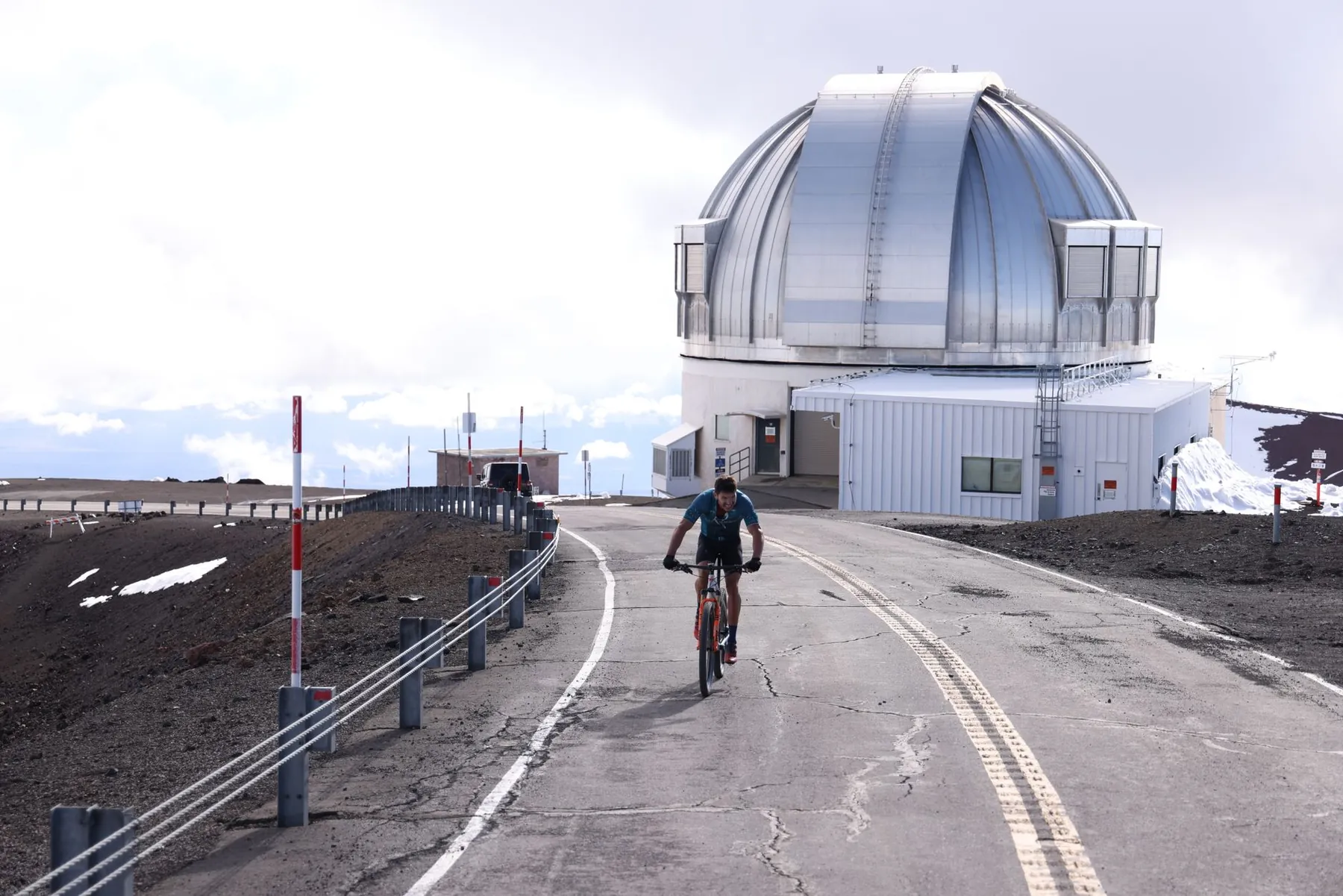
Mauna Kea is the high point of the island and one of the easier big adventures to reach from the Kohala Coast. It is also the one place here where carelessness can get you hurt. Read the whole page before you go.
Drive up through Waimea town or through Waikoloa Village and take Highway 190 toward Saddle Road. Saddle Road leads to the Mauna Kea access road. By the time of our last update, car rental companies allowed driving on Saddle Road like any other paved road on the island. From the Kawaihae area, count on about an hour to an hour and a half to the Mauna Kea visitor center.
Bring all your warm mainland clothes and bundle up before you get out of the car at the visitor center. The people in the photos we ran on this page were dressed for winter, and they were right.
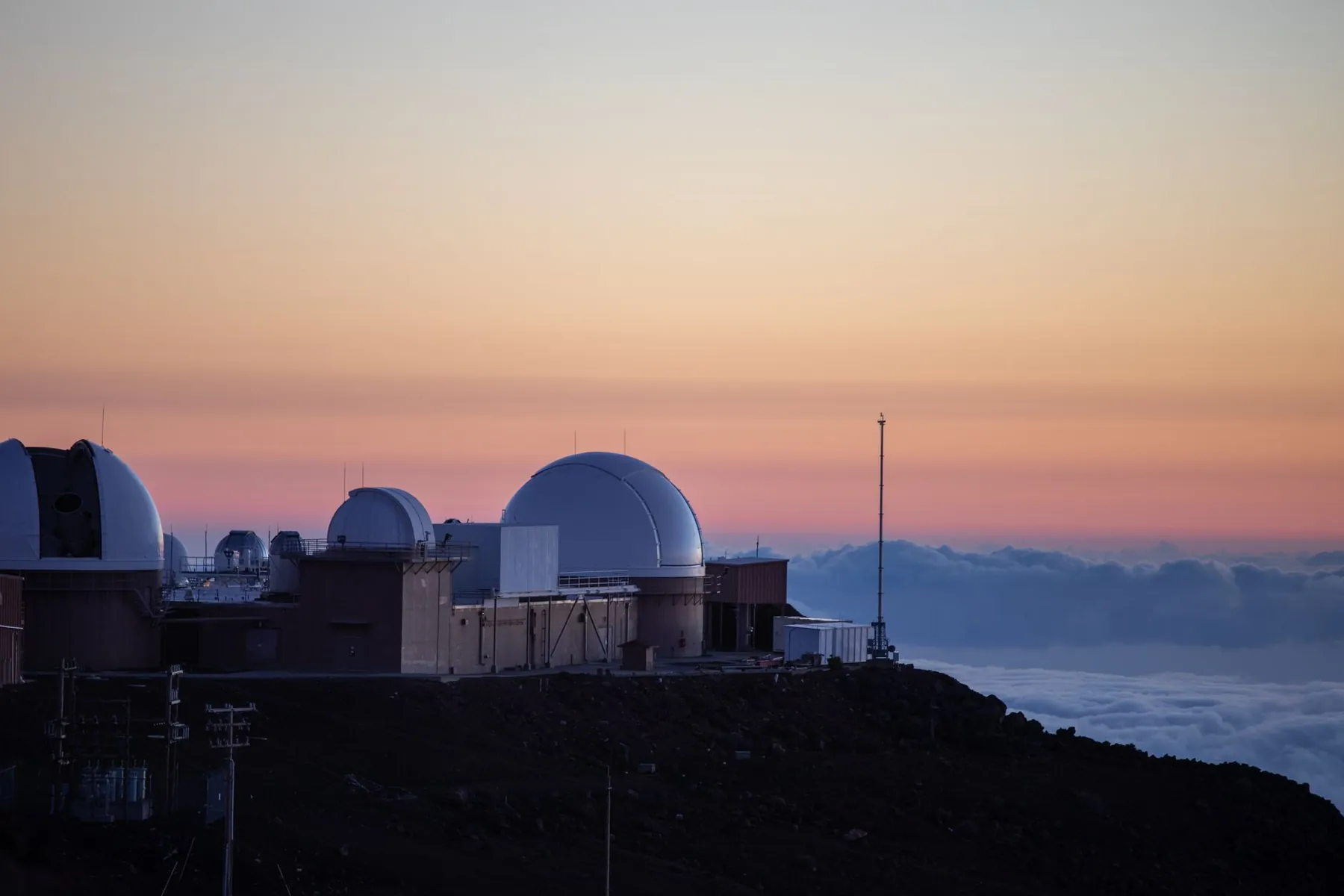
Saddle Road is narrow and winding. It takes its name from the saddle it crosses between the island’s two great volcanic mountains, Mauna Loa and Mauna Kea, at an elevation of 2,000 meters (6,600 feet). At mile 28 a paved road leaves Saddle Road and winds up the lower slopes of Mauna Kea to the Visitor Information Station at the Onizuka Center for International Astronomy. The Onizuka Center is the mid-level base where scientists and technicians acclimatize before going up to work. From the Hilo side, the distance to the center is 34 miles (55 km), an hour to an hour and a half of driving.
Whatever your plan, begin here. The station is about 20 minutes up the access road from the Saddle Road turnoff. The observatory’s own guidance gives its altitude as 9,200 feet; it is also loosely described as the 10,000-foot level.
During the day there were videos to watch, astronomy magazines to read, displays and handouts, and several computers running Mauna Kea and astronomy software. Often an 11-inch Celestron telescope with a solar filter was set up outside so visitors could look at the Sun and its sunspots. You could learn about the mountain, the telescopes and the universe, buy souvenirs, and, just as important, let your body adjust to the elevation before driving any higher.
The stargazing program ran every night from 6 to 10 at the station, and use of the portable telescopes was free to all visitors. For most people this is the Mauna Kea experience to aim for: you need no special vehicle, and the sky is as good as you will ever see it.
On the third Saturday of each month the evening began with a Hawaiian cultural program; see Big Island events.
Free summit tours left the station on Saturdays and Sundays, running from 1 to 5 in the afternoon, for visitors with their own four-wheel-drive vehicles. This is how they worked.
You arrived at the station by 1:00. The first hour was spent there, getting everyone used to the altitude, with a video about astronomy on Mauna Kea and a question-and-answer session. Then everyone went back to their own vehicle, and the convoy set off on a half-hour, low-range, four-wheel-drive climb to the summit.
At the top, participants heard about the history, ownership, mirror size and type of work of all the summit telescopes, such as the Keck Observatory and the Canada-France-Hawaii observatory, along with the cultural and geological features of the mountain. The observatories are not otherwise open to visitors; the tour included a look inside two of the summit telescopes. Departure from the summit was at about 4:30. Those who wanted to stay to hike or to watch the sunset could, but everyone had to drive down from the summit area no later than half an hour after sunset.
Commercial guided tours to the summit were the other option, and the right one for anyone without a suitable vehicle.
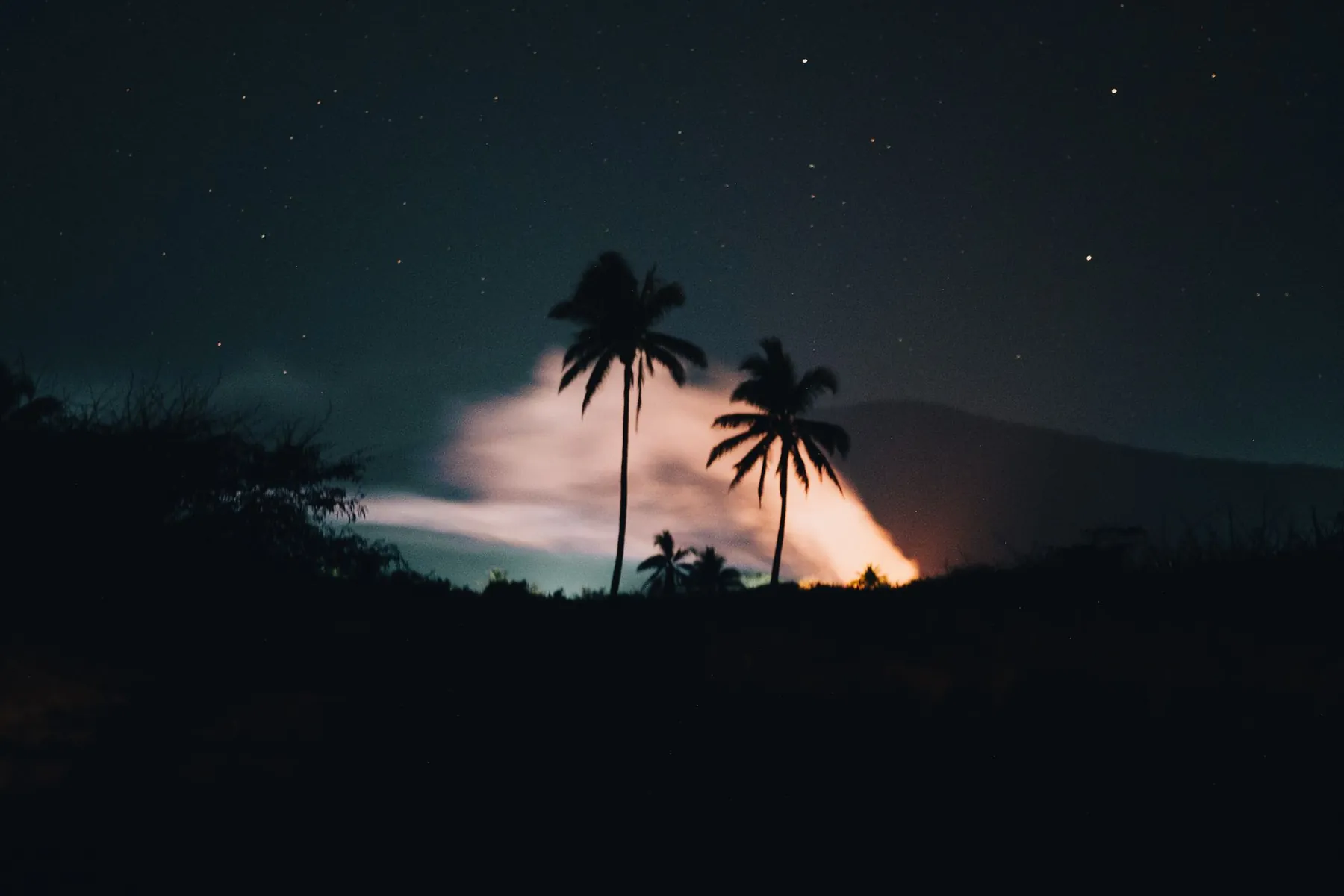
Before you think about the summit road, know these five things:
Mauna Kea is a very remote place. It has no public accommodations, no food and no gasoline. The observatory buildings are usually closed to the public. There are no permanent restrooms above the Visitor Information Station. The only public telephone above Hale Pohaku was an emergency phone in the entrance of the University of Hawaii 2.2-meter telescope building. Emergency services, medical help included, may be two hours away.
Your vehicle should be in good working condition, with good brakes and enough fuel to get back to Hilo or Waimea. Start with a full tank. The steep grade and the thin air make internal combustion engines run inefficiently, and no fuel is sold anywhere on the mountain.
The road above the Onizuka Center is unpaved, rough, steep, winding and dangerous. Only four-wheel-drive vehicles are permitted on it. In good weather it takes about half an hour, but it demands extreme caution, above all on the way down:
The switchback section is particularly hazardous in the hour after sunrise and the hour before sunset. The Sun is low then, and in several places you have to drive straight toward it, which makes oncoming traffic very hard to see.
Check road conditions and the summit webcams before you leave the coast.
Prepare for severe weather, especially in the winter months, when heavy storms commonly leave several feet of snow. In winter, nighttime lows at the summit are around minus 4 degrees Celsius (25 degrees Fahrenheit) and daytime highs about 4 degrees Celsius (40 degrees Fahrenheit). Wind chill and altitude can make it feel much colder. Between April and November the weather is milder, with daytime temperatures ranging from freezing to almost 15 degrees Celsius (60 degrees Fahrenheit).
At the summit, 13,796 feet (4,200 meters), atmospheric pressure is 40 percent lower than at sea level. Less oxygen reaches the lungs, and acute mountain sickness is common. The symptoms are headaches, drowsiness, nausea, shortness of breath and poor judgment.
You can lessen them by spending at least half an hour at the Visitor Information Station before going higher.
Some people should not go above the station at all: children under 16, pregnant women, and anyone with respiratory or heart conditions or who is severely overweight.
Scuba divers must wait at least 24 hours after their last dive before traveling to the summit. If diving is part of your week, put Mauna Kea on a day well clear of it.
The summit at sunset feels like the top of the world, with Mauna Loa in view across the saddle. In our seven-day plan we suggested timing the drive to arrive for sunset, or doing the day in reverse and finishing with a swim. More ideas for the same part of the island are on Big Island attractions, and the forecast side is on Kohala Coast weather.
Only as far as the Visitor Information Station, which is reached by paved road. Above it the road is unpaved, rough, steep and winding, and only four-wheel-drive vehicles are permitted. Visitors without one stayed at the station for the stargazing program or joined a commercial summit tour.
At 13,796 feet the atmospheric pressure is 40 percent lower than at sea level, and acute mountain sickness is common: headaches, drowsiness, nausea, shortness of breath and poor judgment. Children under 16, pregnant women and people with respiratory, heart or severe overweight conditions were advised to stay at the Visitor Information Station.
Not at the summit. There are no opportunities to look through the observatory telescopes, and only the Keck observatory had a visitors' gallery for daytime viewing of the telescope. The stargazing was at the Visitor Information Station, where portable telescopes were set out every night for free public use.
The Ironman World Championship in Kailua-Kona: the course, how it began in 1978, podiums from 2010 to 2012, the 2006 earthquake race and tips for spectators.
The story of Easy Stretch, a gentle stretching and relaxation routine developed by Big Island massage therapist Keoki Staab with seniors in Waimea and Honokaa.
How to plan a Hawaii Big Island vacation: why this island differs from Oahu, Maui and Kauai, where to base yourself, what to see, and the tools our guide used.