Kauai: Notes on the Garden Island for Big Island Visitors
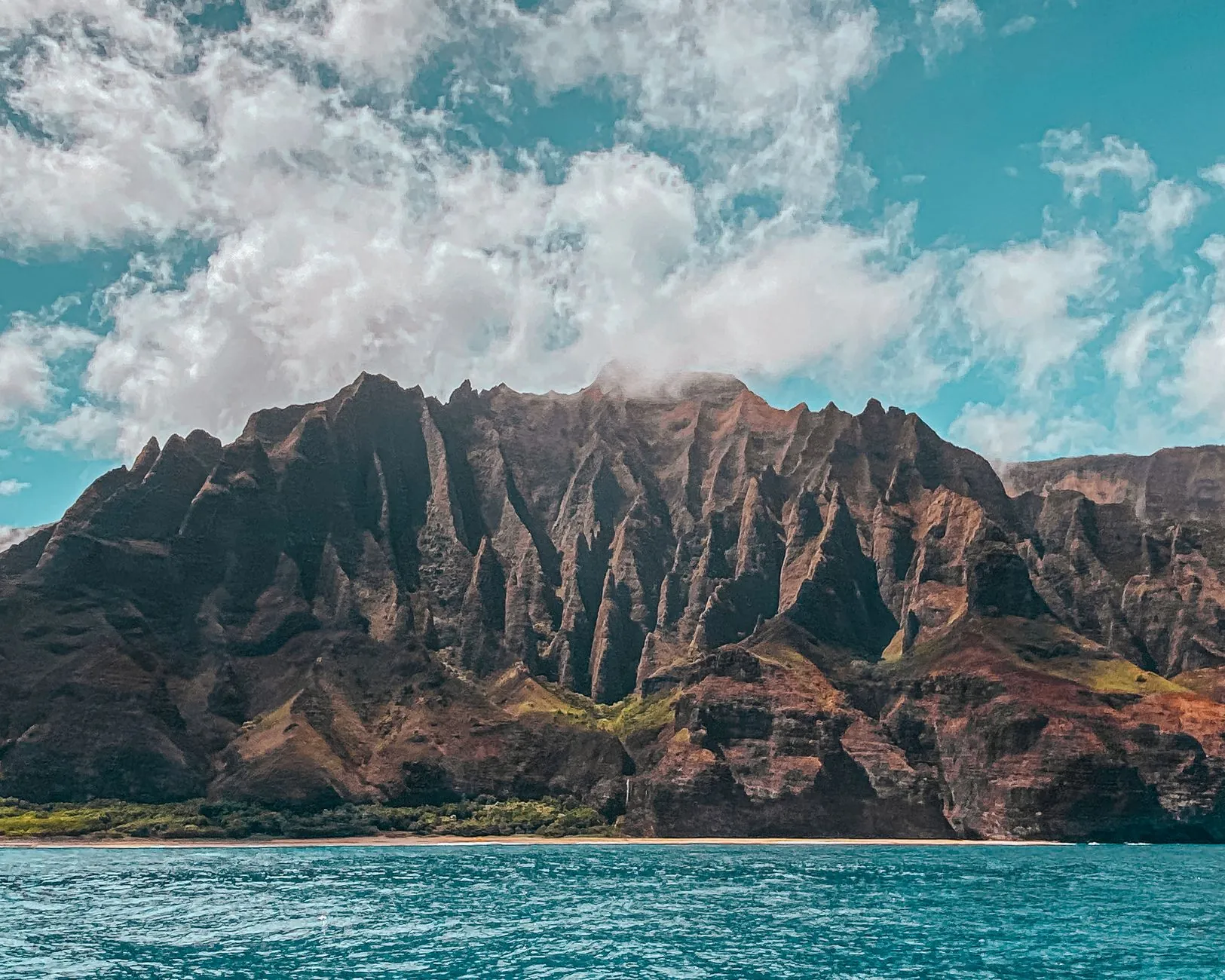
A short introduction to Kauai, the Garden Island: Napali Coast cliffs, Wailua River, Poipu and the North Shore, for visitors comparing Hawaiian Islands.

Each spring, the week after Easter, Hilo gives itself over to hula. Here is how the Merrie Monarch week unfolds, where the 50th festival stood in 2013, and why it carries King Kalakaua's nickname.
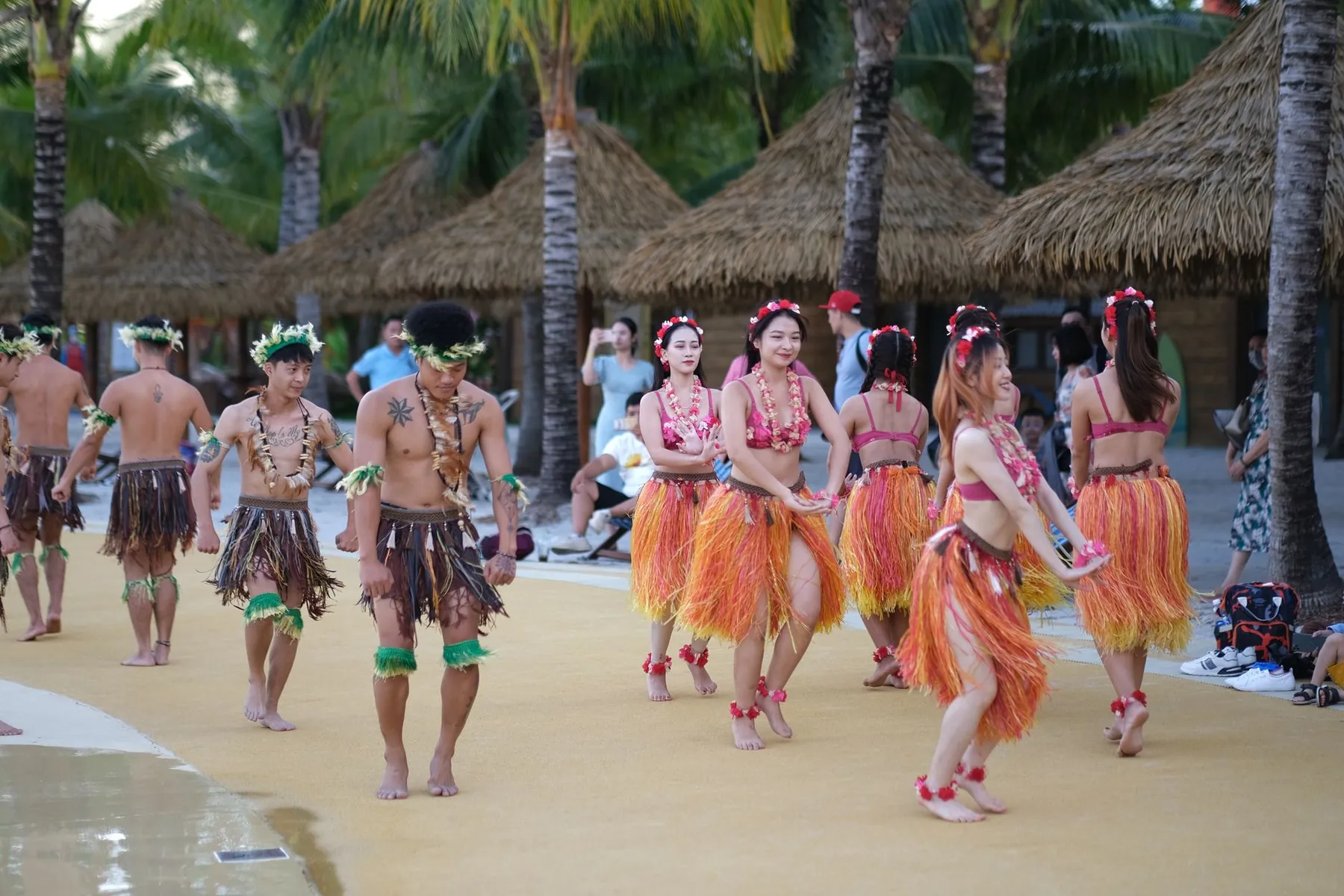
Hilo is on the far side of the island from the Kohala Coast, and for one week a year it is the center of the Hawaiian world. The Merrie Monarch Festival is a week of cultural events built around Hawaii’s most prestigious hula competitions, danced at Edith Kanaka’ole Stadium. Our guide followed it every year. The edition we recorded in most detail was the 50th, in spring 2013.
The festival takes place the week after Easter. It begins on Easter Sunday with a Ho’olaule’a on Moku Ola, also called Coconut Island, in Hilo: a day of music, food and fun.
Wednesday is exhibition night at the stadium, free to the public, starting at 6:30 in the evening.
Thursday is the solo Miss Aloha Hula competition. Each dancer performs twice, once in hula kahiko (ancient hula) and once in hula ’auana (modern hula).
Friday and Saturday belong to the groups: kahiko on Friday, ’auana on Saturday. On Saturday morning a grand parade moves through Hilo town.
Around the three competition nights the festival fills out with art exhibits, craft fairs, demonstrations and performances, and the parade itself is designed to show the many cultures of Hawaii.
For the anniversary year the schedule looked like this:
Getting a seat took planning. Tickets for the competition nights were sold by mail order only, in sets covering three nights, two nights or the Thursday alone. Each person could buy no more than two sets. Payment had to be a money order or cashier’s check, sent with a self-addressed stamped envelope, and the festival accepted only requests postmarked on the opening date in late December or after; anything mailed earlier was turned away. People who missed out still had the Wednesday exhibition, the parade and the craft fairs, and recordings of past competitions were sold on video and DVD.
One of the halau we featured over the years was that of award-winning Kumu Hula Sonny Ching, who gave us permission to show photos of his dancers.
The Merrie Monarch Festival has led to a renaissance of Hawaiian culture that is being handed from generation to generation. The three-day competition has won worldwide recognition for its historic and cultural significance, and the effect reaches well beyond one week in Hilo.
To prepare for it, hula studios and instructors in Hawaii and on the U.S. mainland hold classes, workshops and seminars all year. They teach the art of hula, and with it the meaning of Hawaiian chants and songs, the Hawaiian language, the making of Hawaiian clothing and crafts, and the history of the Hawaiian people. A halau that walks onto the stage in April has been working toward those few minutes for many months.
The festival began in 1964 and grew into what is now considered the world’s most prestigious hula competition. It is named in honor of King David Kalakaua, the last king of the Hawaiian Islands.
Kalakaua’s coronation in 1883 included public displays of hula, which had long been buried under rules imposed by the missionaries. He ruled for seventeen years, and his reign was marked by a resurgence in Hawaiian culture and music, with numerous public performances of hula. Because of his love of dance and music he was nicknamed the Merrie Monarch. The festival is held each year in his memory, and in celebration of Hawaiian culture, dance and music.
For visitors based on the west side, the festival means a trip across the island to Hilo, so it pays to look at the route on our map page and to think about combining it with other east side stops. The rest of the spring calendar is on Big Island events.
A short introduction to Kauai, the Garden Island: Napali Coast cliffs, Wailua River, Poipu and the North Shore, for visitors comparing Hawaiian Islands.
A short introduction to Maui, the Valley Isle: west coast beaches, sunny Kihei, Molokini snorkel cruises and winter whale watching, with tips on staying.
A short introduction to Oahu for visitors comparing Hawaiian Islands: Waikiki Beach, Pearl Harbor, Hanauma Bay, North Shore surf and quieter Ko Olina.