Renting a Car on the Big Island: A Practical Guide
Do you need a car on the Big Island? Where the rental counters are, what to know about Saddle Road, Mauna Kea and Waipio Valley, and when to book early.

Volcano Village is a rainforest settlement beside Hawaii Volcanoes National Park. A night or two here lets you walk the park's trails early and late, when the day-trippers from the coast are still on the road.
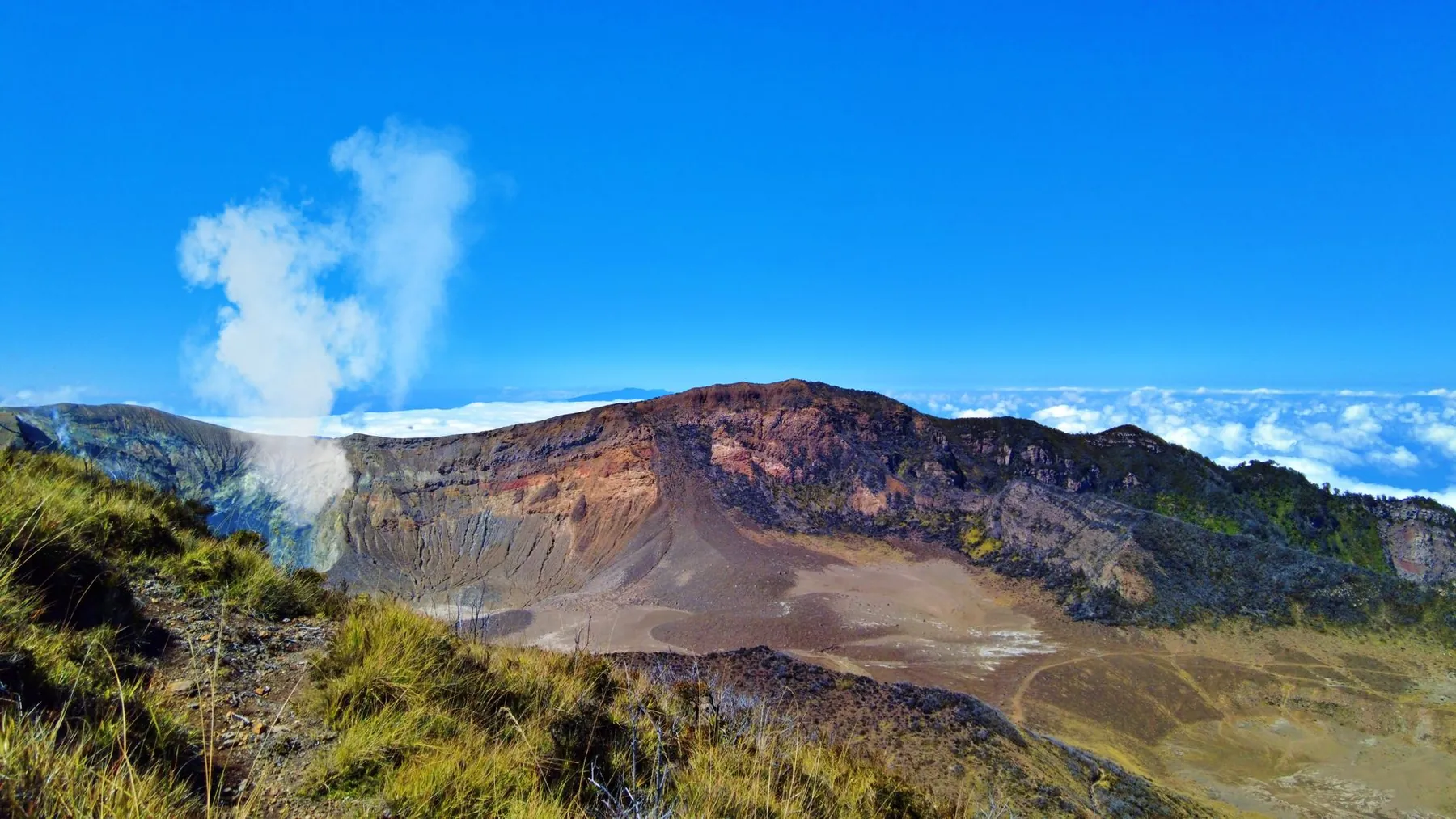
All lodging in Volcano sits close to the park entrance, and that is the whole point of staying. Hawaii Volcanoes National Park was established in 1916 as the country’s 13th national park, to preserve the region’s volcanic features, its early human history and the plant and animal life of this particular corner of the world. Kilauea, home of the goddess Pele in Hawaiian tradition, is one of the world’s most active volcanoes, and the park draws thousands of visitors each year.
The village itself is quiet and green. The old guide called it a Garden of Eden, and the description is fair if you like your gardens wet and wild.
Cottages here stand among fragrant kahili ginger, red-flowering ohia trees, olapa trees with leaves that seem to dance in the wind, and hapu’u tree ferns. The village is a sanctuary for native Hawaiian birds, and you hear them from first light. On the drive in, on a clear day, you see Mauna Kea, snowcapped from about mid-November to January and sometimes as late as May.
It is a cool mountain climate, and it rains. Nights are chilly. Hosts stocked firewood, down comforters and heated mattress pads, and some left warm jackets, umbrellas and flashlights for guests to borrow. Pack a layer and real shoes.
Two-night minimums were typical. Most guests stayed two to four nights and combined Volcano with time on the coast.
The village had more than a visitor might expect: a choice of nine restaurants and cafes at the time, two convenience stores, a winery, a golf course, a bird park and hiking trails outside the park. Hilo is about a forty-minute drive, and Punaluu Black Sand Beach about thirty minutes in the other direction.
Hikers love the park trails. The Crater Rim Trail, which starts at the Kilauea Visitor Center, was described as an all-day, 11-mile hike through rainforest and past steam vents and craters. Thurston Lava Tube lets you walk about 400 feet through a tube that formed some 350 to 500 years ago. Stop at the visitor center first for trail details, maps and current conditions; the volcano decides what is open. Our Hawaii Volcanoes National Park page covers the visit itself.
The park is on the far side of the island from the Kohala Coast, so a visit from there is a long day. Staying in the village turns that around. You hike in the morning, rest by the fire in the afternoon rain and go back out at dusk. If the volcano is a main reason for your trip, plan the night. Then continue to Hilo or back to the dry side; the island overview compares the areas.
Do you need a car on the Big Island? Where the rental counters are, what to know about Saddle Road, Mauna Kea and Waipio Valley, and when to book early.
What staying in a beachfront home on the Kohala Coast is like: Puako's oceanfront houses, turtles and tide pools, and the gated villas at Mauna Kea Resort.
A guide to staying in Hilo on the Big Island: the bayfront town, farmers market, museums and waterfalls, and the choice of downtown condo or hillside house.